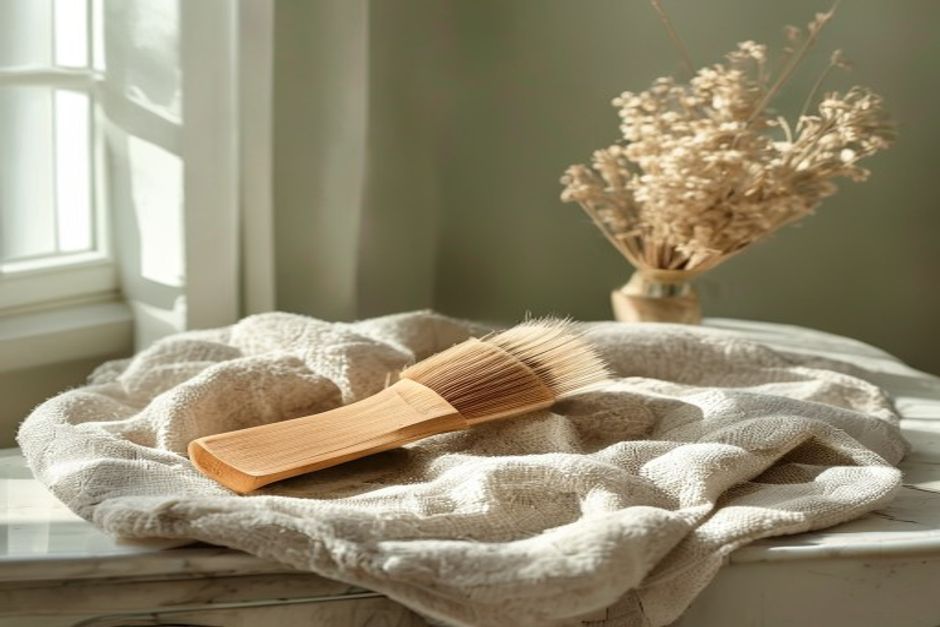
Your alarm went off late, your first call starts in 40 minutes, and your shower is non-negotiable. That is exactly when a dry body brush routine makes sense: quick, quiet, and repeatable. You are not aiming for a spa moment before sunrise—you are building a two-minute step that wakes up your skin and your head before water hits.
If you have been searching how to start dry body brushing, keep the bar low at first: light pressure, short strokes, and a consistent schedule three mornings a week. The real win is not intensity; it is doing the same simple thing often enough that your skin can tell you what feels good and what feels like too much.
Morning reset: quick energy without overworking your skin
The easiest morning structure is bottom to top in under three minutes: feet to calves, hands to upper arms, then soft circular passes over thighs. Think “dusting off linen,” not “scrubbing a pan.” A dry body brush should feel stimulating but never scratchy, especially if your shower follows immediately and you are layering lotion after.
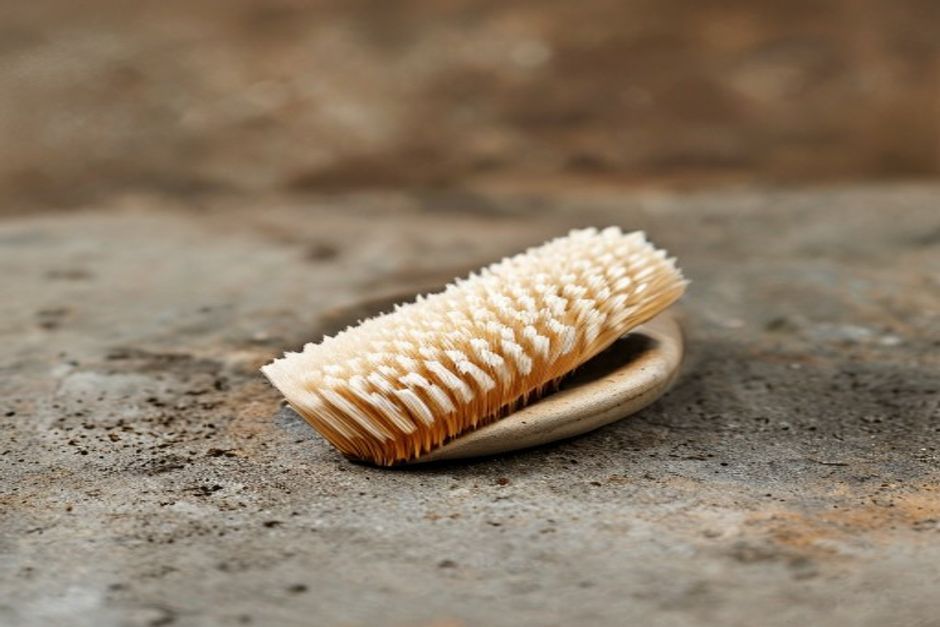
Many readers ask about a dry body brush routine before shower because mornings are tight and unpredictable. Keep your brush near where you undress, set a gentle timer, and stop as soon as the skin looks lightly pink—not hot, not irritated. On office days or pre-Zoom mornings, this tiny sequence can replace the temptation to test three new products at once.
Evening mode: less stimulation, more decompression
At night, pacing matters more than speed. You are usually dealing with dry indoor air, friction from clothes, and general end-of-day sensitivity, so your dry body brush passes should be fewer and softer than in the morning. Focus on legs and arms, skip any area that feels reactive, and let warm water do most of the soothing work.
If you wonder about the best dry body brush for sensitive skin, prioritize softness and control over trend-driven design. A standard-size head is easier to guide than an oversized one, and a compact handle can be more practical in smaller bathrooms. Entry-level options are enough to learn your tolerance; you can always move to mid-range or premium texture once your routine is stable.
Travel reality: keeping the habit on a 3-day work trip
Travel is where routines usually collapse, so make your setup frictionless. Pack one compact brush in a breathable pouch, keep sessions to one or two minutes, and avoid experimenting with stronger pressure just because hotel lighting makes skin look different. The goal is continuity, not performance.
For a three-day trip, a dry body brush routine can be as simple as: morning pass on legs and arms, shower, moisturizer, done. If your schedule includes a workout, treat post-exercise skin as a separate moment—cool down, rinse, and only brush later if the skin is calm. Consistency beats ambition here, and that is why this habit survives real calendars.
How to adjust week by week without guesswork
Use a one-minute check after each session: Was pressure comfortable? Did skin settle within minutes? Did lotion sting more than usual? These quick notes help you spot patterns faster than changing tools every two days. A dry body brush works best when you treat it as a pacing tool, not a transformation promise.
If your skin feels tight, reduce frequency before changing the brush. If everything feels neutral, add one extra weekly session. And if you are still comparing options, remember that the “best” brush is the one you can use in ordinary life before work, after a long day, or between trains without turning your routine into a project.
This article is editorial and informational. Skin chemistry, climate, and individual sensitivity affect results; when possible, try a product before committing.