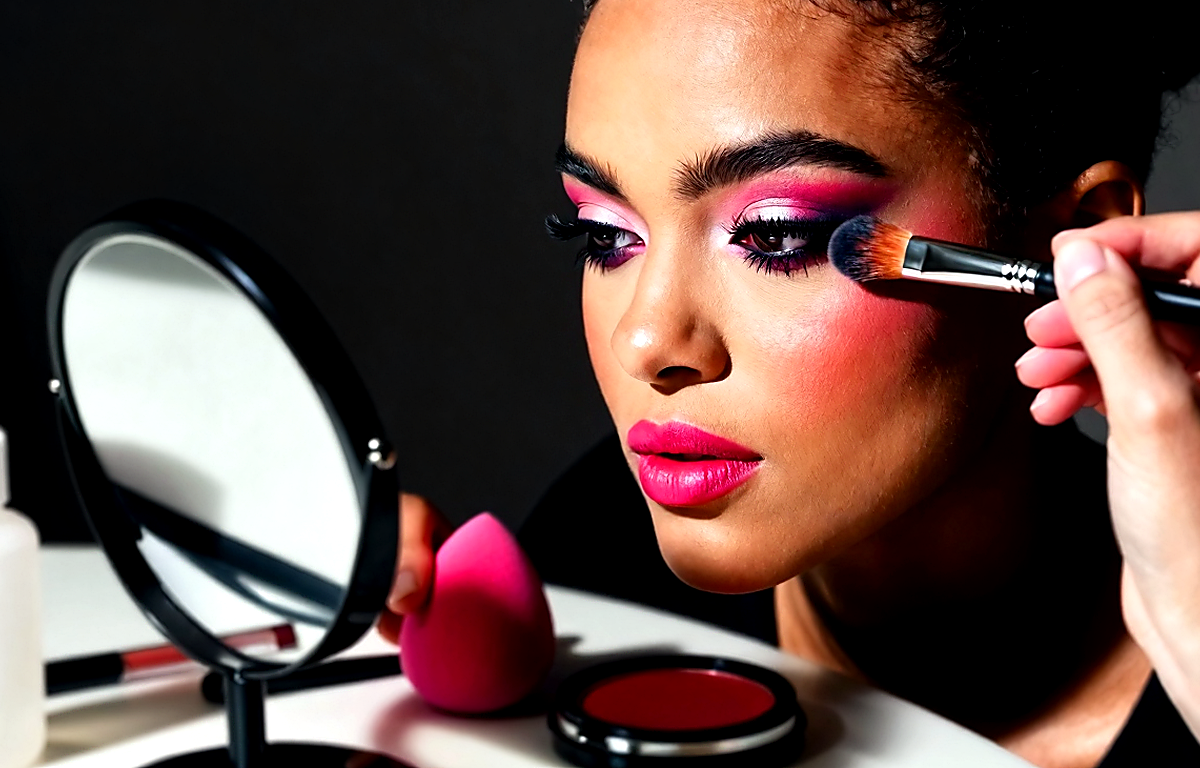
If your blush feels sticky, it does not always mean the product is “bad” or that the brand does not suit you. Most often, stickiness appears because of a combination of factors: skin care that is too rich under makeup, an incompatible SPF, too much product, damp skin at the time of application, or simply expecting the wrong finish. Clinique, like many brands, offers formulas with different levels of glow, softness, and grip on the skin, so the first thing to understand is this: are you dealing with an unpleasant sticky film, or with the normal flexibility of a creamy texture that settles down after a while?
The practical answer is short: first check the type of blush, the condition of your skin, and the order of your layers. If the stickiness lasts longer than 10–20 minutes, hair clings to the blush, foundation shifts when touched, and the surface of your cheeks still feels wet even after light setting, the problem is usually not one product alone but the whole combination of “skin care + SPF + foundation + blush.” Below is a step-by-step look at what to check if you are bothered by Clinique blush or any similar formula with a creamy, balmy, or glowy finish.
Sticky or just dewy: how to tell the difference
This is the main question, because many modern blushes are not meant to feel completely dry to the touch. Cream, gel, and serum textures often leave the skin with a fresh, slightly “movable” finish, especially if your skin is normal, dry, or dehydrated. That effect can look beautiful and fresh, but it should not get in the way of wearing your makeup comfortably.
A normal dewy finish usually looks like this: the blush blends easily, settles after a few minutes, does not go patchy, does not transfer with every touch, and does not dissolve the foundation underneath. Unpleasant stickiness behaves differently: the product seems to sit on top of the skin, catches dust, hair, and fabric, pills when you try to add powder, and leaves uneven color on the cheekbones.
Check three simple signs:
- 10–15 minutes after application, lightly touch your cheekbone with a clean finger — if your finger noticeably “sticks,” the tackiness is pronounced;
- run a clean brush along the edge of the blush — if the base starts to move, the formula has not settled enough or the layers are clashing;
- look at your cheek from the side in daylight — if you see glow rather than an oily wet film, it may be the intended finish rather than a problem.
In other words, not every soft finish is a flaw. But if the makeup stops feeling comfortable to wear, it is better to look for the cause systematically.
What to check first: the blush format and promised finish
When it comes to Clinique, it is important not to focus only on the brand but on the specific blush format. Powder, baked, cream, stick, and liquid products behave very differently on the skin. Stickiness most often becomes an issue in two cases: when the formula is cream or liquid with moisturizing components, or when another emollient layer is applied on top of an already rich base.
Before deciding that “Clinique blush does not suit me,” check:
- what type of product it is — powder, cream, liquid, or gel;
- what finish the product is designed for — satin, radiant, dewy, natural glow, or soft radiant;
- which skin type the texture is usually most comfortable for — dry, normal, or combination;
- whether the product needs time to set;
- whether it is best applied with fingers, a brush, or a sponge.
If you expect a glowy cream product to behave like a dry powder blush, it will almost certainly feel “sticky.” That does not mean the product is bad; it simply means it needs to be used differently: in a thin layer, on a drier base, and, if needed, with very delicate setting.
It is also worth remembering that marketing phrases such as glow, healthy sheen, luminous skin, and similar wording almost always hint at a softer finish. If tackiness really bothers you, it is better to look not for “natural glow” but for words like soft matte, powder finish, velvet, or blurring.
Skin prep: the most common source of stickiness under blush
Even a good blush can feel heavy if the skin is overloaded with skin care. A typical situation looks like this: a rich cream, then a generous SPF, then a glowy foundation, and cream blush on top. Each layer may feel comfortable on its own, but together they create a slippery surface where the color does not set properly.
If stickiness bothers you regularly, check your morning skin prep point by point:
- has your cream absorbed enough before makeup;
- is your SPF too oily or occlusive;
- are you applying several glowy products one after another;
- is there too much primer with a silicone “slip” on the skin;
- is your face still damp after mist, essence, or serum.
A useful rule: if you already have a hydrating foundation or a visibly glowy SPF, it is better to choose a blush with a drier character or apply only a very small amount. And if you want to keep the creamy texture, reduce the richness of the layers underneath. Often, it is enough to swap a dense day cream for a lighter one and let the SPF fully settle before makeup.
If stickiness is an issue for you not only with blush but with skin care in general, this guide on building a simple skin-care routine without overload may also help: https://gid-beauty.com/ru/face/kak-sobrat-bazovyy-uhod-dlya-lica/. The logic is the same: the clearer and calmer the base, the more predictably makeup behaves on top.
SPF and foundation compatibility: where the feeling that “everything sticks” usually begins
One of the most underestimated factors is how blush works with sunscreen and foundation. This is where the feeling that Clinique blush is at fault often starts, even though the conflict may begin earlier. Some SPFs form a slightly sticky elastic film, especially if they contain many moisturizing components or if you apply the generously recommended amount. Cream pigments may not sit well on top of that kind of film.
Signs of incompatibility usually look like this:
- the blush blends unevenly and breaks up in patches;
- the color goes on more intensely in one spot and will not spread further;
- the makeup starts to pill into little crumbs when you try to layer it;
- the foundation under the blush begins to show through in streaks;
- the stickiness is much stronger specifically on areas with SPF and foundation than on bare skin.
To understand the cause, it helps to do a simple at-home test on different days: apply the blush once on bare moisturized skin without foundation, a second time over your usual SPF, and a third time over your full makeup. If the stickiness increases sharply only with the full routine, the issue is almost certainly the combination of layers.
Another important nuance is how textures “grip” each other. Watery or gel blushes may work better over thin fluid bases, while more balmy formulas may work worse over a sticky SPF. And conversely, some dry blushes layer beautifully over cream products and help tone down excess dewiness. If you wear sun protection often and then set your makeup with powder, this article on how to powder over SPF without patchiness may also be useful: https://gid-beauty.com/ru/makeup/pudra-poverh-spf-bez-pyaten/.
Amount of product and application technique: why “one more drop” makes it worse
With sticky textures, the principle of using the smallest dose almost always works best. Many people apply too much blush in hopes of getting brighter color faster and then spend a long time trying to distribute the excess. As a result, the formula stays as a dense layer on the skin’s surface instead of a thin veil. This is especially noticeable with pigmented liquid or cream products: an extra drop does not make the result prettier, it only increases the risk of tackiness and patchiness.
What usually helps:
- pick up the minimum amount of product and add a second thin layer if needed, rather than trying to blend out one thick one;
- first distribute the blush on the back of your hand or on the brush, and only then transfer it to the face;
- apply with tapping motions rather than vigorous rubbing;
- do not work over a large area all at once — smaller zones are better;
- do not rush to layer again; let the first layer settle.
If you like that “lit from within” effect but dislike the sticky feel, try a combined technique: use just a little cream blush for freshness, then add the thinnest layer of powder blush in a similar shade on top. That way the color keeps its depth while the surface feels more comfortable. At the same time, do not turn your face into a multilayer cake: one careful setting layer is better than several chaotic attempts to “fix” the finish.
Your tool matters too. Fingers can warm up the product and make the layer more mobile, especially in hot weather. A dense synthetic duo-fiber brush, a soft brush for cream textures, or a slightly damp—but not wet—sponge often gives a thinner result. If stickiness bothers you constantly, start experimenting not with a new product but with a different technique.
Formula and finish without panic: what features of the formula to look at
You do not need to read an INCI list like a chemist, but it helps to know a few reference points. Stickiness is often more noticeable in formulas with a high amount of emollients, oils, waxes, film-formers, and moisturizing additives, especially if your skin is prone to oiliness or if the climate is hot and humid. These are not bad ingredients — they can create beautiful slip and comfort — but on certain skin types they can feel heavier.
When choosing a blush, it is better to focus not on one “scary” ingredient but on the overall idea of the formula. Ask yourself:
- is this a product for a radiant, lively, almost wet finish or for a more velvety result;
- does it suit your skin type and the season;
- is your skin itself prone to getting shiny quickly;
- does the combination of blush with active skin care — acids, retinoids, or strong exfoliants — create discomfort.
If the skin is irritated, even a normal cream texture can feel sticky and unpleasant simply because the surface of the face is already sensitive. In that state, it is better to reduce the number of makeup layers and return to a calmer base. If you have persistent burning, pain, marked redness, swelling, peeling, signs of dermatitis, or a skin condition, the answer is not changing blush but consulting a doctor. During pregnancy, and also if you use retinoids or are undergoing active skin treatment, it is wise to introduce any new makeup or skin-care products cautiously.
When the formula is not the problem: heat, humidity, hair, and clothing
The feeling of stickiness always becomes stronger in summer, in stuffy rooms, while traveling, and on humid days. A texture that felt comfortable and fresh in winter may behave very differently in July. This is especially noticeable if you wear your hair down, scarves, high collars, or tend to touch your face during the day.
There are several everyday signs that the issue is the conditions rather than a faulty product:
- the blush behaves better in a cool room;
- the makeup feels comfortable in the morning but turns sticky after a couple of hours in the heat;
- in winter and the shoulder seasons there is almost no problem;
- the drier areas of the face feel fine, while the T-zone and upper cheeks feel worse;
- hair sticks to your cheeks in windy or humid weather.
In that situation, it helps not to give up on a favorite shade right away but to adapt how you wear it. For example, reduce the number of skin-care layers in the morning, blot excess SPF with a tissue before makeup, apply blush farther from the hairline, use less product on the upper cheekbone, and use micro-setting only where it is truly needed.
If sticky sensations on the skin generally bother you in warm weather, the logic of choosing products for both face and body is often similar. In that sense, this article on a light body cream for summer without stickiness is also telling: https://gid-beauty.com/ru/body/legkiy-krem-dlya-tela-letom-bez-lipkosti/. It is not only about the brand, but about texture discipline: less overload, more compatibility.
How to fix stickiness without losing a beautiful finish
The good news is that stickiness rarely calls for drastic measures. Most of the time, it is enough to adjust one or two steps and the blush starts looking neat again. The main thing is not to try to rescue the situation with a thick layer of powder immediately after application: that can lead to patches, a flat texture, and uneven tone.
Here is a practical correction algorithm:
- Give the blush 5–10 minutes to settle. Some formulas change noticeably after part of the moisture evaporates and the product merges with the skin.
- Blot the face with a clean tissue if you see obvious excess skin care or SPF.
- Set only the stickiest areas locally with a small fluffy brush and a minimal amount of powder.
- If you want a lively finish, do not mattify the whole cheek — it is enough to go over the edge and the area where hair tends to stick.
- Next time, reduce the amount of base under your makeup or apply the blush itself more thinly.
A reverse “sandwich” approach can also work well: first a very thin layer of foundation, then a little blush, then an almost weightless veil of powder, and if desired a tiny touch of blush on top. But this method only suits you if you like a more polished result. If what matters most is a very natural skin effect, it is better to look for a balance between product amount and setting time rather than building a multilayer construction.
When it makes sense to give up on this specific texture
Sometimes the honest answer is simple: yes, this particular format does not suit you. That is normal. If you have already tried changing your skin care, using less product, and testing different tools, yet still get unpleasant sticking every time, the problem may not be your technique but the texture type itself, which does not match your habits or climate.
Consider switching formats if:
- you cannot stand the feeling of makeup moving on the skin;
- you have combination or oily skin and shine increases quickly during the day;
- you live in a hot, humid climate;
- you often wear your hair down and find it irritating when it touches your cheeks;
- you like quick makeup without setting and do not want to adjust your base for a specific product.
In those cases, it makes more sense to look toward drier satin or velvety blushes, and save cream formulas for cooler weather, evening makeup, or days when your skin is especially dry. The brand is secondary here: the same brand can release both very comfortable powder blushes and more “lively” cream formulas.
If at the same time you are bothered by how your hair behaves in humid weather and notice a general feeling that “everything sticks, frizzes, and loses shape,” that is often a question of the environment, not only makeup. On that topic, this article about keeping hair from frizzing after humidity may also be useful: https://gid-beauty.com/ru/hair/volosy-bez-pusheniya-posle-vlazhnosti/.
Quick takeaway: what to check if Clinique blush feels sticky
To sum up, first make sure you are not confusing stickiness with a normal dewy finish. Then check the blush format, your morning skin care, compatibility with SPF and foundation, the amount of product, and your application technique. In most cases, an unpleasant sticky film appears not because of the name on the package, but because of an overloaded base or too generous a layer of cream product.
The most practical path is this: simplify your skin prep, apply the blush more thinly, give it time to settle, and set only where it is truly needed. And if the makeup still feels uncomfortable after that, do not force it — choose a drier texture instead. Beautiful blush should freshen the face, not keep reminding you of itself every time a strand of hair sticks to your cheek.