You finish your morning wash, style quickly, and by late afternoon your roots already look flatter than you planned for. If that sounds familiar, using a sensitive scalp shampoo is less about chasing a miracle bottle and more about building a repeatable rhythm that keeps the scalp comfortable while the lengths stay soft. The Vichy Dercos conversation usually starts here: not “what is the strongest cleanser,” but “what can I actually use consistently without creating a dry-length spiral?”
What this category is really meant to do
Shampoos marketed for scalp care are not one single type. Some are built for visible flakes, some for oil-control, and others for day-to-day comfort when your skin reacts easily to stress, weather shifts, or over-cleansing. That is why experienced readers asking about one brand line are usually better served by clarifying the scenario first: freshness at the roots, comfort after washing, and minimal disruption to the rest of the routine. In practice, a good scalp-focused option should clean effectively at the root area while letting your conditioner do the heavy lifting on the mid-lengths and ends.
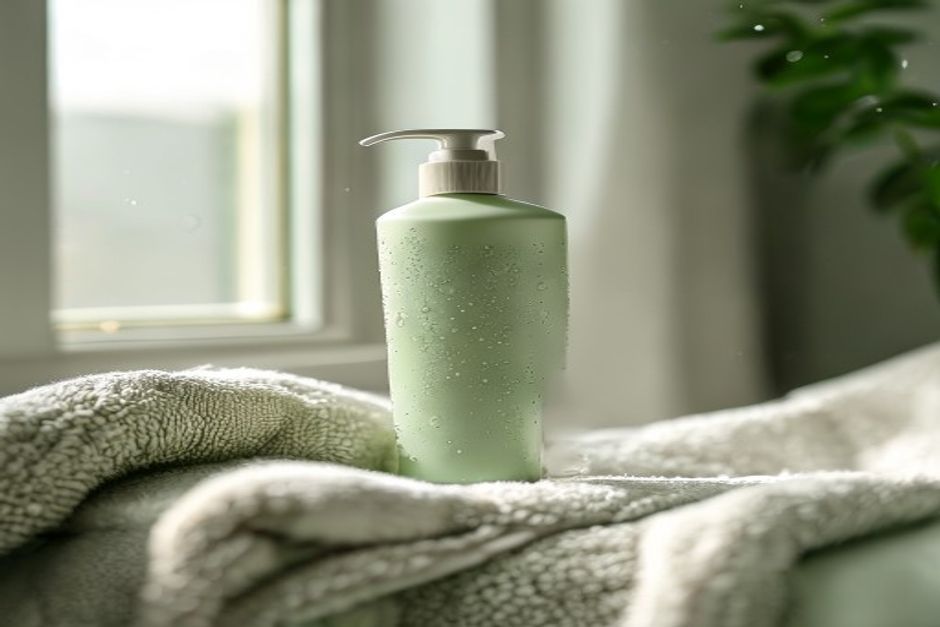
If you are wondering how to choose a sensitive scalp shampoo, test by end-of-day behavior rather than instant foam feel. A formula that seems “super clean” in the shower can still leave your scalp tight by evening. Give one option two to three weeks before judging; frequent switching hides patterns and makes it harder to read whether your scalp is actually calmer or simply reset for a day.
Who it tends to fit best (and who should slow down)
The sweet spot is usually someone whose roots lose freshness by the second day but who does not want harsh daily cleansing. In that case, think in pairs: focused shampooing at the scalp and a softer conditioning step on the lengths. This is also where sensitive scalp shampoo for oily roots becomes a practical framework rather than a trend phrase. You are trying to extend root freshness without forcing the ends to compensate with extra masks, extra leave-ins, and extra trial products.
If your scalp is highly reactive, go slower with introductions. Keep other variables stable for a couple of weeks, use lukewarm water, and avoid layering multiple new actives in the same period. The goal is not to prove a product in one wash; it is to see whether comfort and cleanliness can coexist across a normal workweek, including commute days and post-workout evenings.
How to shop smarter without buying three near-duplicates
Before checkout, compare the exact version objective, not only the line name. Even within one range, labels can point to different scalp priorities. Next, compare format by routine: standard size for home, compact size for a three-day work trip, and no unnecessary backups unless you already know your usage pace. This is where daily routine for sensitive scalp shampoo matters, because product fit is about frequency and context, not hype.
A useful micro-scenario: on office-and-gym days, keep cleansing targeted to the scalp and avoid re-washing the full lengths if they do not need it. On travel days, pack one trusted shampoo plus one lightweight length-support step instead of experimenting with several new bottles at once. That single decision often saves both routine stability and budget.
The common mistakes that make good formulas feel disappointing
Mistake one is buying multiple similar versions “just in case,” then never learning what actually worked. Mistake two is scoring performance after one use instead of after consistent week-to-week wear. Mistake three is cleansing every inch of hair aggressively, then trying to patch dryness later with extra products. A cleaner approach is to keep the cleansing emphasis where oil builds first and keep the lengths on a softer maintenance track.
Editorial coverage across beauty media consistently returns to the same principle: scalp comfort and routine consistency beat dramatic promises. When your process is simple, repeatable, and calibrated to your real schedule, your results are easier to maintain and easier to evaluate.
This article is editorial and informational. Skin chemistry, climate, and individual sensitivity affect results; when possible, try a product before committing.