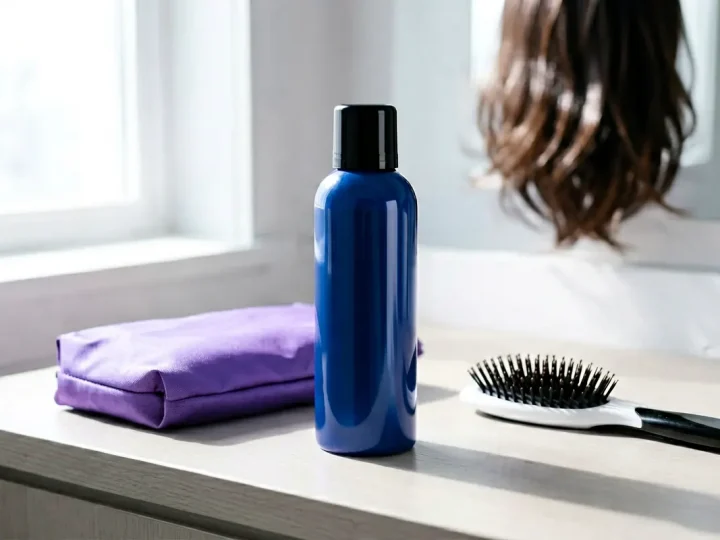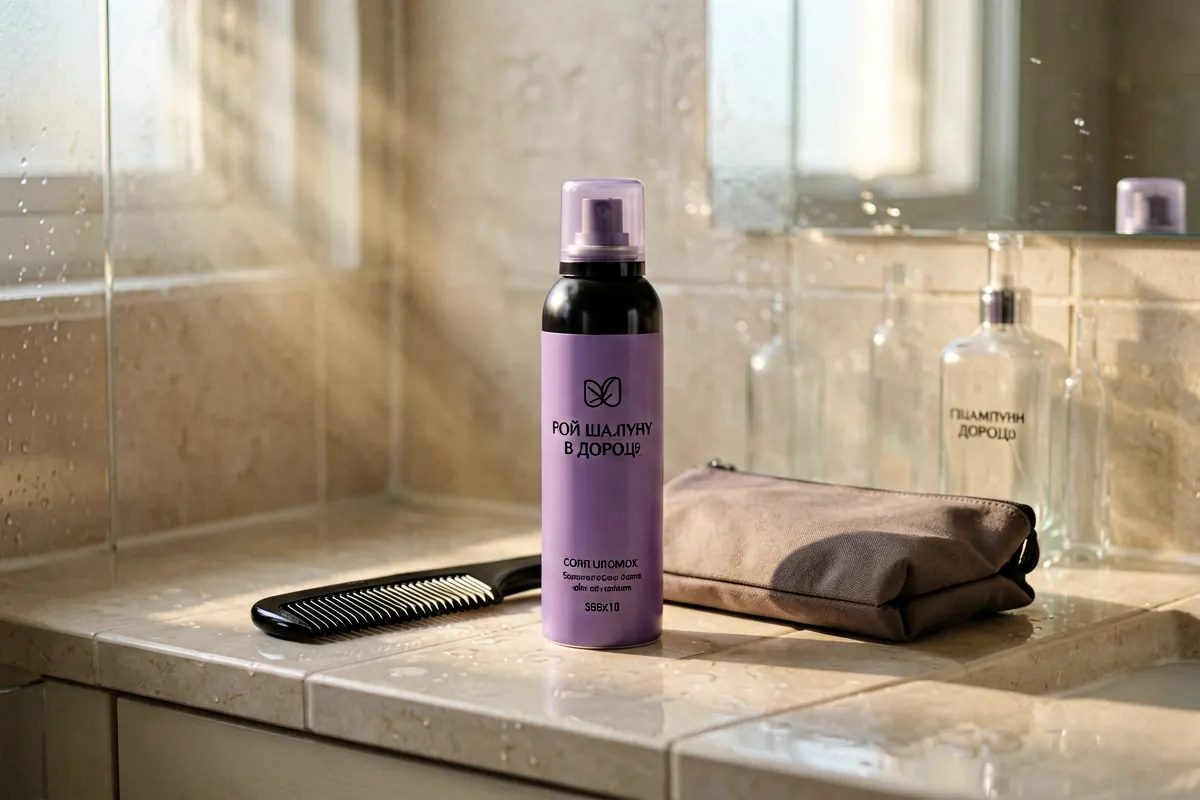
You only notice the limits of a dry shampoo when you are already out the door. In a hotel bathroom with harsh lighting, in an airport restroom, or ten minutes before checkout, the difference between helpful and irritating becomes obvious fast. A travel option has to be calm in a rush: easy to aim, easy to brush through, and unlikely to leave you with a chalky parting when you are trying to look pulled together.
That is why travel shopping is less about chasing dramatic lift and more about reducing friction. If you are comparing a travel dry shampoo format, you are really asking whether the can, the spray, and the residue level will behave in real life. On the road, predictability matters more than a five-minute volume trick.
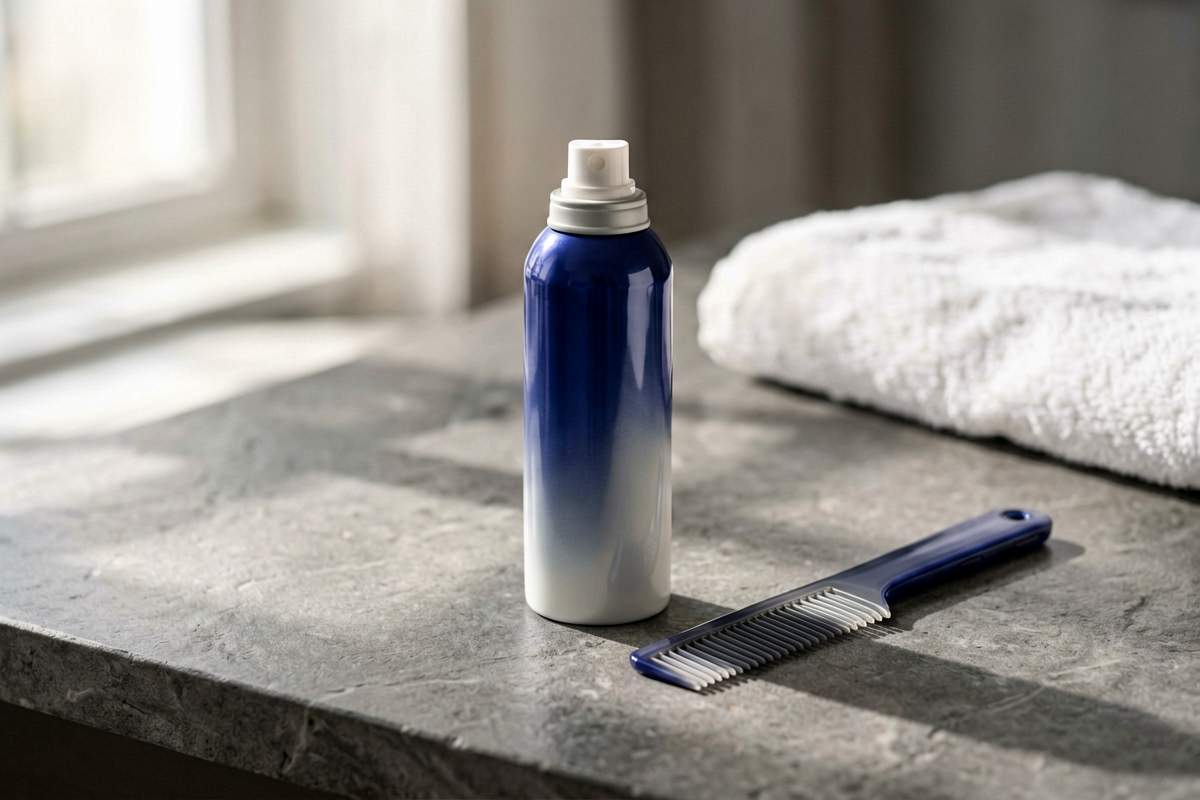
Start with the can, not the claim
The first filter is simple: size, cap, and spray pattern. A bulky can that takes over half your pouch is annoying before you even press it. A loose cap is worse, because nothing makes a beauty bag feel messier than white dust on everything around it. And if the spray lands as a harsh stream instead of a fine cloud, you will spend more time fixing the result than saving it.
If you are wondering how to choose travel dry shampoo, start with control rather than marketing language. The best version is usually the one that lets you target the part line, hairline, and crown without coating the lengths. In a cramped bathroom, that softer kind of application feels far more useful than a formula that promises maximum drama but turns touch-ups into cleanup.
What helps before an early checkout
The most common travel moment is an early departure when your roots are not freshly washed but there is no time for a full reset. This is where a dry shampoo should stay precise. Spray only where oil shows first, wait a beat, then work it through with fingers or a brush. The goal is not to rebuild the entire style; it is to make the roots look intentional enough for the train, the taxi, or the first meeting of the day.
That is also why one good touch-up product beats a bag full of backups. A calm formula can make a rough morning feel manageable, while an aggressive one creates extra friction: too much powder, too much scent, or a finish that looks obvious on darker roots. When space is limited, convenience has to show up in the mirror, not just on the label.
Why the post-trip refresh matters too
The second useful test comes after a long ride, when the crown has fallen flat but the mid-lengths still look fine. In that moment, you do not need a whole styling session. You need a light reset at the roots and enough movement back in the hair to get through dinner, a walk, or one more errand. A good dry shampoo after a long trip should add lift without forcing you into a second product just to hide the residue.
This is where spray behavior matters more than people expect. A gentler mist is easier to diffuse and easier to correct if you overdo it. A dense, powdery burst can still work at home, where you have time and tools, but it feels much less forgiving when you are freshening up on the move. Travel beauty always exposes whether a formula is flexible or fussy.
What is easy to overbuy
It is tempting to pack extra texture spray, another root product, and a richer leave-in just in case. Usually that only makes the bag heavier and the routine less clear. If a dry shampoo already handles mild oil, revives the crown, and brushes out without much effort, you may not need a second can built for the same job. Travel routines work best when every item earns its space.
The better mindset is to treat dry shampoo as support, not a replacement for washing. Look for compact packaging, a secure top, and a finish you can live with twice in one day. If a formula helps you leave the hotel faster and still makes sense once you arrive, it is doing exactly what a smart travel staple should do.
This article is editorial and informational. Skin chemistry, climate, and individual sensitivity affect results; when possible, try a product before committing.