You color your hair, leave the salon happy, and a week later the lengths feel rough while the roots are fine. That is when a repair product goes into your cart fast, often without a clear plan. A hair mask for color-treated hair can absolutely help, but only when texture, timing, and frequency match your real routine rather than a perfect weekend routine you never follow.
Who this kind of mask helps most—and who should go slower
Intensive masks are most useful when coloring has increased brittleness through the mid-lengths and ends, especially if heat styling is part of your week. If you are wondering how to choose a color-treated mask, start with your calendar, not the label. Ask how many minutes you can realistically leave it on, whether you wash in the morning or at night, and how often your hair can handle richer formulas before it starts feeling heavy.
If your scalp gets reactive or your strands are very fine, high-frequency masking can flatten volume and make roots feel coated. In that case, lower frequency usually works better than switching products every wash. A consistent hair mask for color-treated hair schedule often beats constant formula hopping, because your hair gets a stable pattern of support instead of mixed signals.
The biggest mistakes happen before checkout, not after first use
Most disappointment comes from buying by hype language: bond, repair, rescue, miracle. Those words are not useless, but they are not enough to predict your result. Check where your damage sits, how porous your lengths feel, and whether your hair already gets protein from other products. If your goal is a color-treated mask for dry ends, your decision should prioritize slip, post-rinse softness, and manageable styling the next day.
Another common mistake is testing too many changes at once: new shampoo, new mask, new leave-in, and hotter tools in the same week. Then it is impossible to tell what helped or hurt. Keep everything else steady for two or three wash cycles. That simple method gives cleaner feedback and helps you avoid unnecessary spending across budget, mid-range, and premium options.
How to use it so results look calm, not overworked
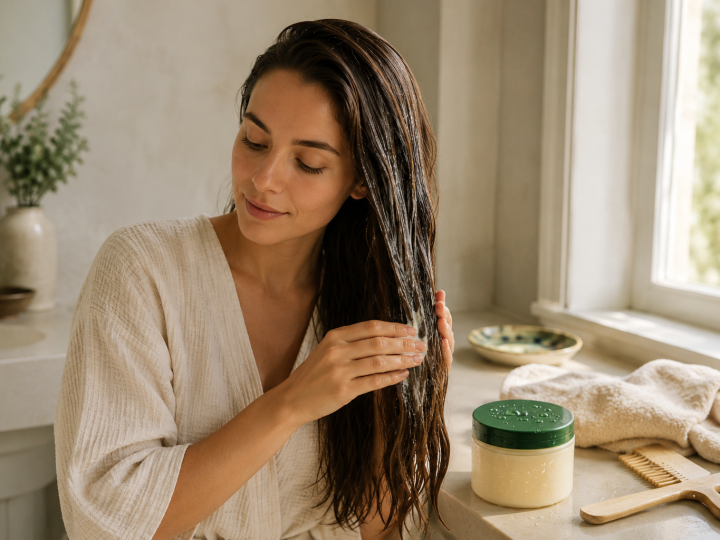
Application matters more than most people expect. Squeeze out excess water first, then spread product from ears down, concentrating on the driest areas. Comb through gently and give it the contact time the formula asks for. If you need a gentle color-treated mask routine, alternate one richer session with one lighter conditioning wash to keep movement in the hair.
Evaluate results by feel and behavior, not just shine under bathroom light: less tangling, smoother detangling, and fewer rough ends by day two. Those are useful signals that your hair mask for color-treated hair is doing its job. If hair turns limp, reduce amount before replacing the product. Small adjustments are often enough to get predictable, low-stress results.
This article is editorial and informational. Skin chemistry, climate, and individual sensitivity affect results; when possible, try a product before committing.