Eye Patches for Wrinkles Before Makeup
At 7:25 a.m., when your concealer is waiting on the counter and the skin under your eyes looks drier than you remember, eye patches can feel like a tiny rescue step. The good ones do not erase time, but they can make the area look softer, calmer, and easier to dress with makeup for the next few hours.
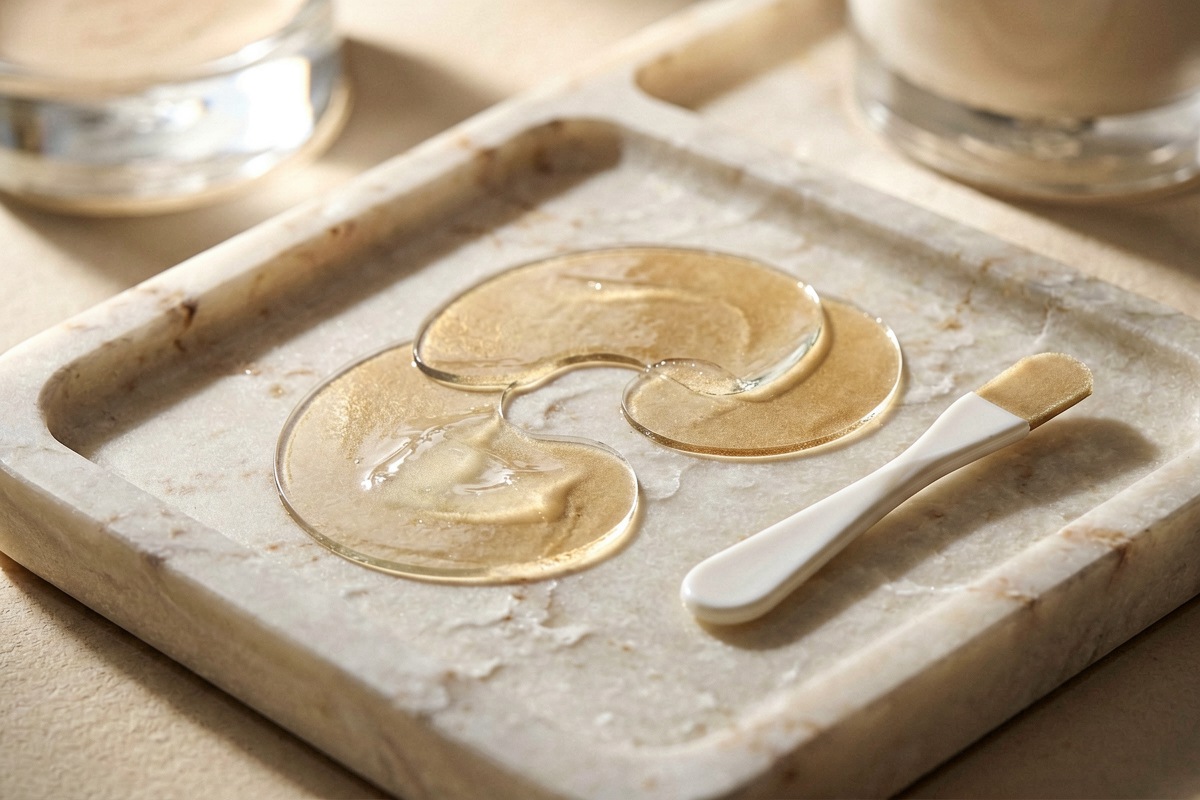
That distinction matters. If you are shopping for eye patches for wrinkles, the real win is short-term smoothing from hydration and a comfortable fit, not a dramatic anti-age promise. Think of them as a pre-meeting, pre-dinner, or pre-camera fix for dehydration lines rather than a substitute for the rest of your eye-area routine.
What eye patches can really do
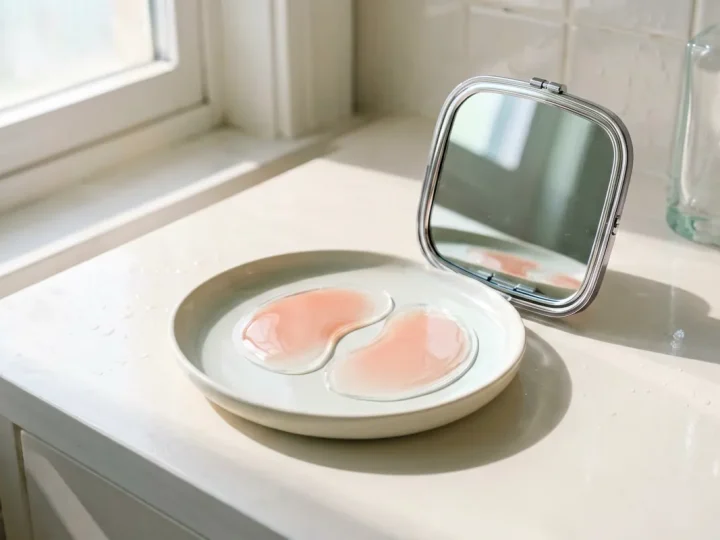
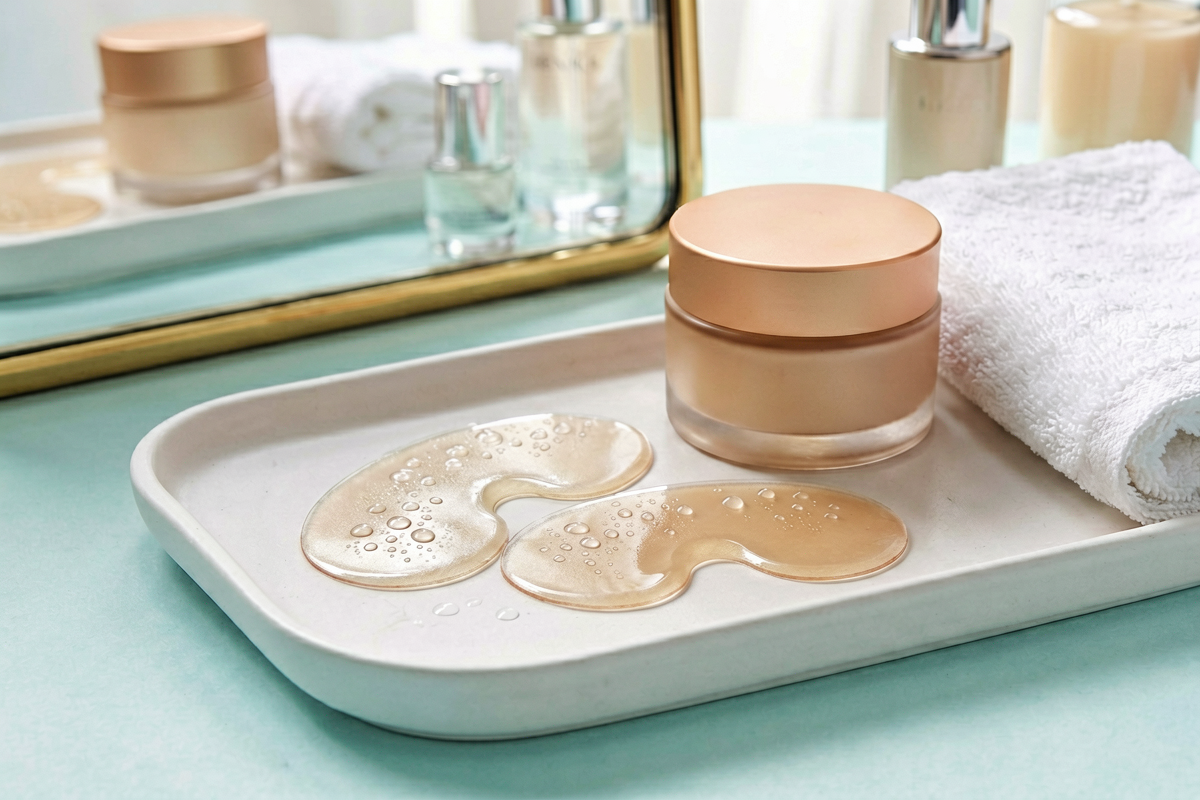
The most useful pair is usually the least theatrical one: a thin hydrogel or fabric patch soaked in a formula that feels cooling, lightly cushioning, and easy to tolerate. Humectants such as hyaluronic acid and glycerin help the surface hold water, which is why the under-eye area can look smoother for a few hours after use. That is the effect most people are chasing when they type how to choose eye patches and hope for something that makes concealer sit better instead of catching on every fine line.
What they do not do is remodel deep folds or undo months of irritation, squinting, sun exposure, or too little sleep. If the area is persistently dry, flaky, or reactive, patches are a supporting player, not the entire plan. They work best when the issue is temporary tiredness, mild puffiness, and that papery texture that shows up after air-conditioning, travel, or a late night staring at a screen.

Who it works best for in real life
Eye patches make the most sense on mornings when the skin looks thirsty rather than truly irritated. Maybe you slept with the fan on, maybe yesterday ran long, maybe you have a video call in half an hour and the under-eye area suddenly looks more textured than the rest of your face. In that window, hydrogel eye patches for morning use can be helpful because they add slip, reduce the look of surface dryness, and take the edge off puffiness without asking you to layer a heavy cream under makeup.
They are also useful before an event, dinner, or photos when you want the under-eye area to look fresher for a short stretch of time. If you already know fragrance, tingling formulas, or active-heavy products make that area complain, stay with the calmest possible option. A simple patch with a non-fussy ingredient list will usually do more for your face than an aggressive one that promises instant lift and leaves you red by the time you reach the door.
What to check before buying
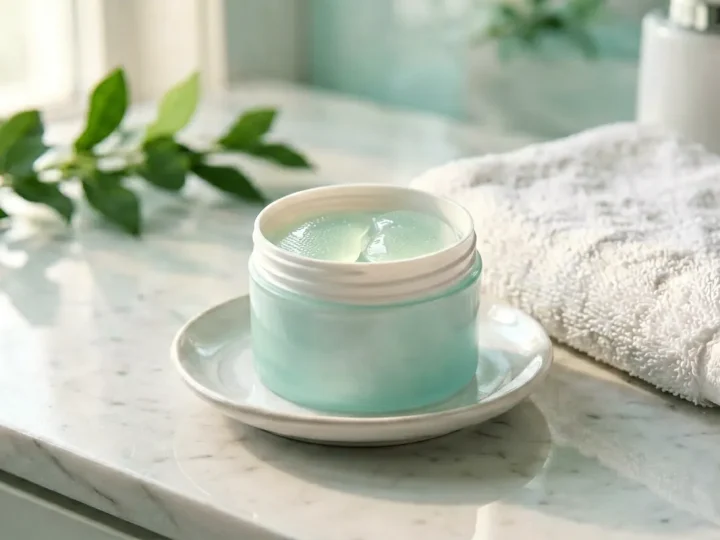
Start with fit. Patches that are oversized, drenched, or oddly slippery can spend the first five minutes sliding toward your cheekbone, which defeats the point if you are trying to get dressed at the same time. If you are wondering how to choose eye patches without wasting money, check whether the patch looks thin enough to sit flat, whether the serum level seems controlled rather than flooded, and whether the packaging makes hygiene easy. A jar with a spatula or individual sachets is usually more practical than fishing around with your fingers.
Then look at the formula with realistic expectations. Humectants and soothing ingredients are more useful here than dramatic lifting language. A pair marketed as eye patches for wrinkles can still be a good buy, but only if the formula is built around hydration and comfort rather than sting. If you use retinoids around the eye area, or your skin is already sensitised from acids, scrubs, or a strong cleanser, that is your cue to pause. Patches should feel like relief, not a challenge.
When to skip them instead
Skip patches on mornings when the skin is already burning, peeling, or reacting to actives. They are also not the smartest move if you expect them to replace eye cream, sun protection, or consistent barrier-friendly care. People often buy eye patches for wrinkles hoping the label will do the heavy lifting, but deep lines linked to long-term dryness or sun damage need a broader routine, not a one-off patch before brunch.
One more practical note: do not leave them on until they feel dry and tight. Once a patch has lost its comfortable dampness, it stops feeling like a refreshing step and starts feeling like something you are wearing out of habit. Ten to fifteen minutes is usually enough. After that, pat in what is left, let the area settle, and move on to makeup while the skin still looks comfortably smooth.
This article is editorial and informational. Skin chemistry, climate, and individual sensitivity affect results; when possible, try a product before committing.