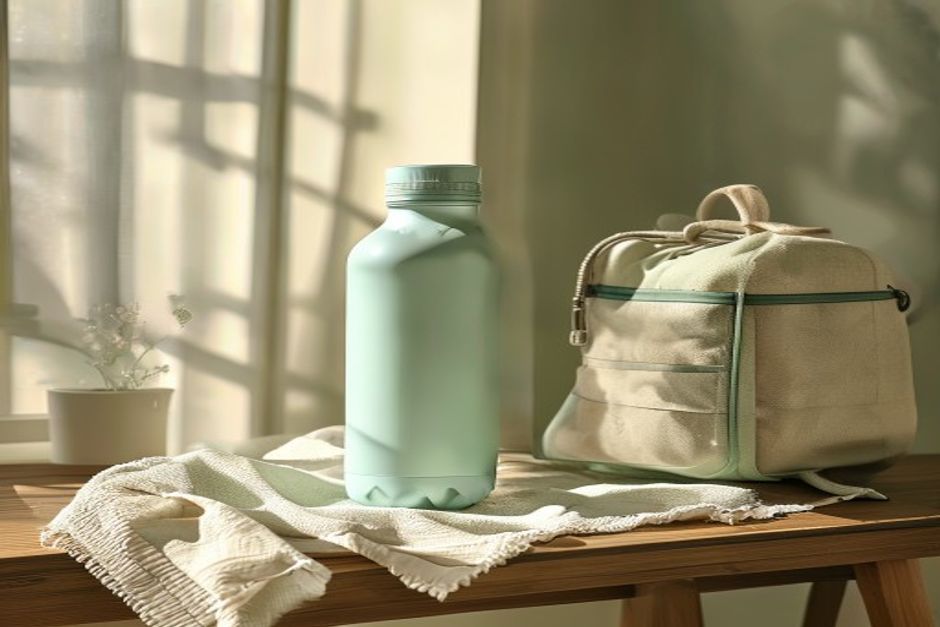
You buy a collapsible bottle before a trip, toss it into your backpack, and by evening it leaks onto cables and papers. A day bottle sounds simple, but real-life use exposes details that product cards rarely explain. This guide covers common mistakes with a day water bottle and practical fixes for mindful shoppers who care about durability, cleaning, and less disposable waste.
Mistake 1: choosing volume by guess, not by schedule
Bigger is not automatically better. If your day includes airport security, train transfers, and office hours, excessive capacity can mean extra weight you stop carrying after a week. For most city-and-travel routines, 17 to 22 oz works well when refill points are available; if your route has long gaps, 24 to 26 oz may be worth it. If you are searching for a collapsible bottle for travel, test comfort while the bottle is half full, not only when full. A good design should stay stable in hand instead of folding unpredictably.
Mistake 2: focusing on price while ignoring material behavior
Material choice changes daily experience more than people expect. Silicone collapsible formats save space in luggage, but they need proper drying to avoid trapped moisture and odor. Rigid plastics can feel easier to drink from, yet some users report lingering smell if cleaning is inconsistent. Stainless steel is durable and neutral in taste, though usually not foldable and often heavier for all-day carry. In a mindful routine, the right pick is a reusable odor-free water bottle you can realistically maintain, not the trendiest shape online.
Mistake 3: underestimating cap design and seal quality
Many leaks come from the cap assembly, not the body. Check whether the gasket is removable, whether the cap threads engage smoothly, and whether replacement seals are available. In a commute scenario—subway, co-working, gym—the bottle may be opened many times with limited sink access, so a protective mouthpiece cover can make hygiene easier. In a travel scenario, a secure lock matters more than one-handed opening speed. Small details like this determine whether your day water bottle remains trustworthy when carried beside electronics and documents.
Mistake 4: buying accessories you will not use
People often overbuy: extra sleeves, duplicate lids, novelty infusers, and second bottles “just in case.” Most of these stay unused. A cleaner setup is one primary bottle matched to weekday routine, plus one low-cost spare seal or cap if available. That gives reliability without clutter. If you are unsure, run a two-week test: does it fit your bag side pocket, is refill easy, and do you still enjoy carrying it after long afternoons? The test usually reveals more than marketing copy.
What to do instead: practical checklist
- Define two real contexts: one workday and one travel day.
- Prioritize cap and gasket quality before color.
- Confirm cleaning access to narrow channels and the lid interior.
- Review how to clean a water bottle based on your sink routine and drying habits.
- Start with one bottle and avoid duplicate purchases in the same size range.
Micro-scenario one: before a Zoom morning at a hotel desk, you refill once and keep the bottle at hand through calls, then fold and pack it before checkout. Micro-scenario two: after evening transit, you rinse immediately at home and let it dry open overnight, which helps reduce odor buildup in folds and seals.
Bottom line: the best day bottle is not the one with the most features, but the one you keep using every day with minimal friction. When volume, cap, and cleaning routine match your life, a collapsible format can be genuinely practical for travel and everyday carry.
Editorial selection. Not sponsored. Prices vary.