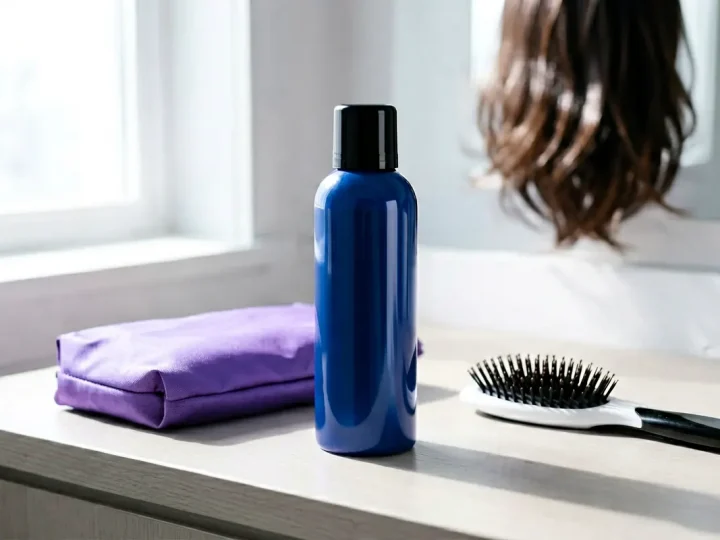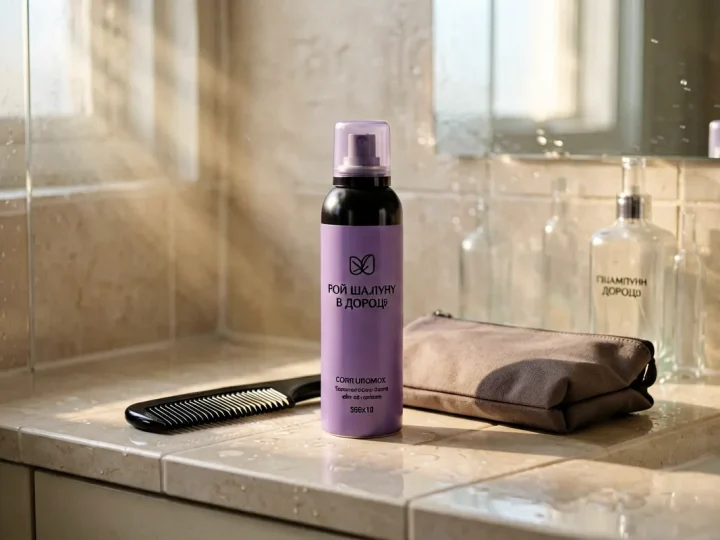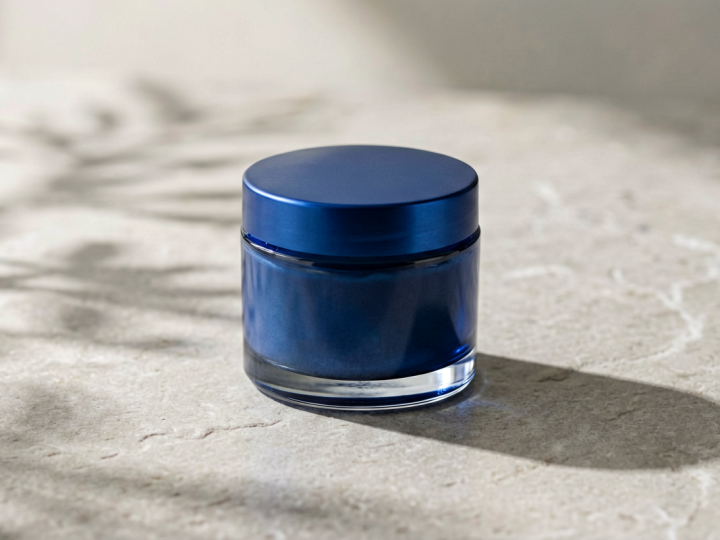
You know that wash day when your hair is technically clean but the mid-lengths already feel a little grumpy: the blow-dryer came out twice this week, the ends keep catching on your T-shirt, and your usual conditioner suddenly feels too polite. That is the kind of moment when a hair mask like Dream Long makes immediate sense. It is not there to reinvent your routine; it is there to make long hair feel less brittle, less puffy, and a touch more manageable by the time you are done drying it.
That distinction matters because people often shop a mask as if it should replace trimming, heat protection, and basic patience in one go. A better way to read this category is simpler: a hair mask is a rinse-out support step for lengths that have started to look rougher than they feel at the roots. If you have ever typed how to use a hair mask or wondered whether a bigger jar is actually easier to live with, this is the lane for it.
When the lengths start feeling rough
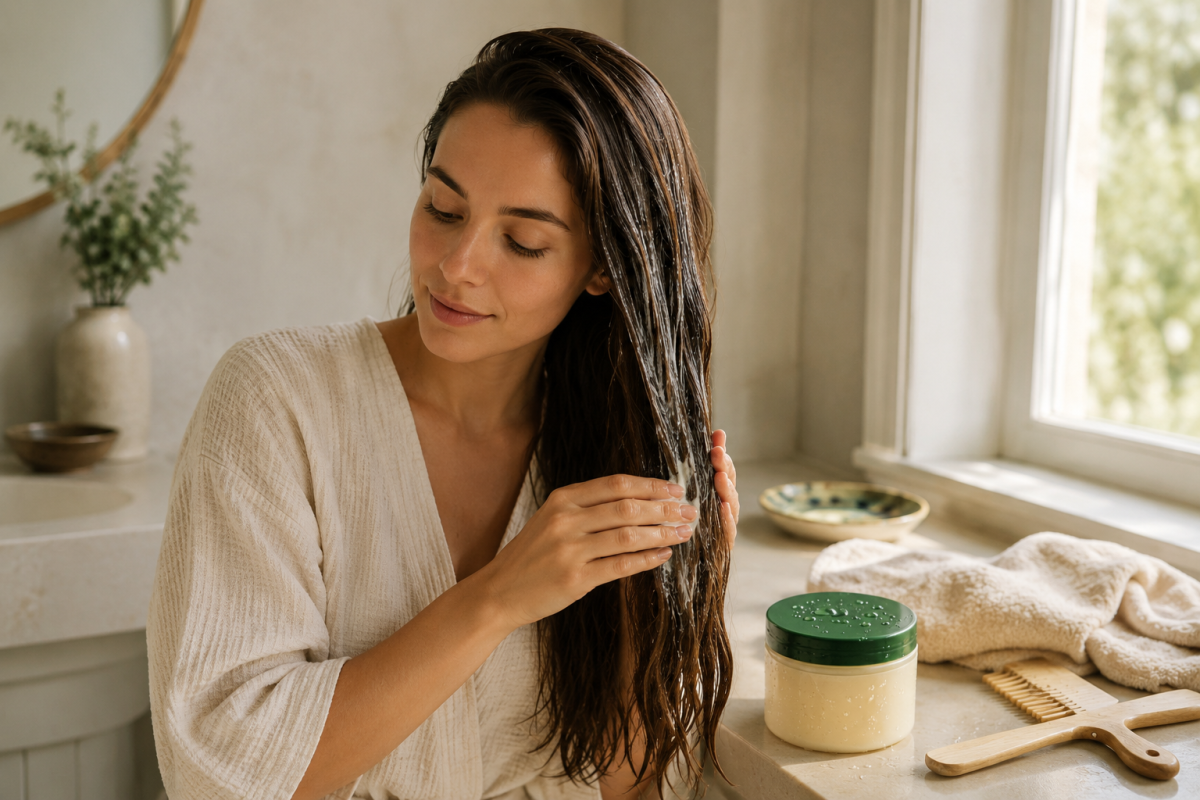
The first real-life win comes right after an ordinary shampoo when the roots feel fine but the lower half of your hair looks fuzzy, dry, and slightly overhandled. In that situation, Dream Long works less like a luxury treat and more like a sensible swap for one wash. Instead of reaching for three light products that all promise softness in theory, you use one richer rinse-out step on the lengths and ends, leave it on for a few quiet minutes, and move on. The payoff is usually not dramatic shine for camera flash; it is a smoother-looking finish and less of that crispy feeling that shows up once the hair is fully dry.
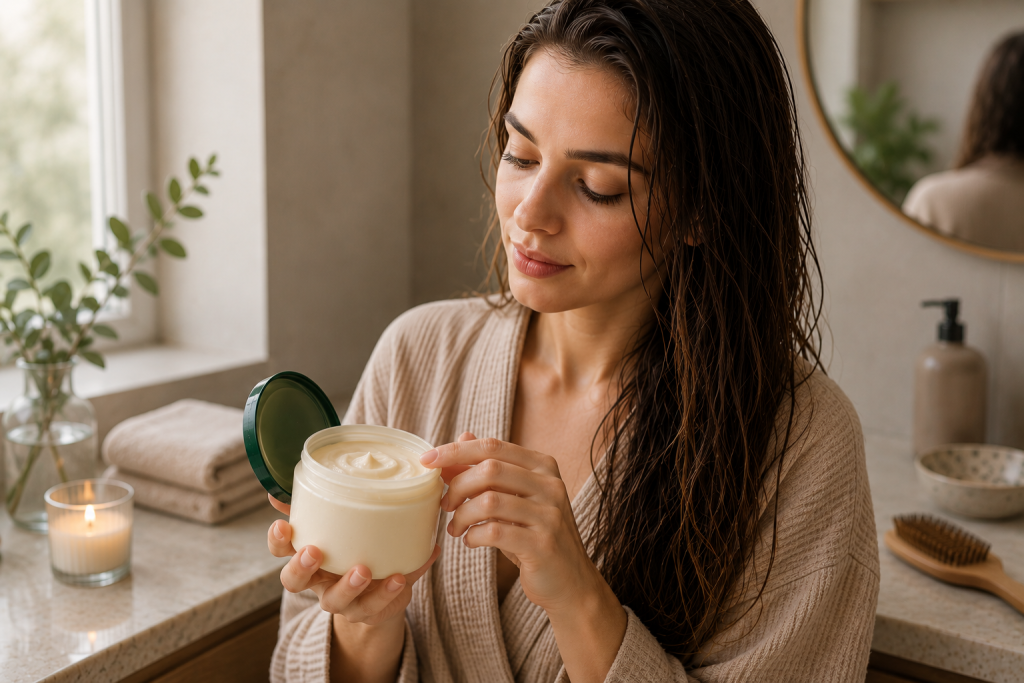
This is also where hair mask for dry ends becomes a useful, reader-friendly way to think about the product. You are not buying a theatrical repair story; you are looking for a denser texture that makes the ends feel less rough after rinsing and less chaotic once you brush through. If your lengths already behave well with a basic conditioner, you may not need this extra step every wash. But if the ends look tired after commuting, office air, and regular heat styling, the category can feel instantly more practical than another random spray.
After heat-heavy weeks
The second scenario is the week when your hair has simply had more done to it than usual. Maybe you styled it early for two meetings, touched it up before dinner, or kept it polished with a brush and dryer for several mornings in a row. That is often when a hair mask feels most worth the shelf space. Not because it erases every sign of wear, but because it gives long hair a more buffered, less frazzled feel between trims.
If you are searching hair mask after blow drying, the healthiest expectation is not total transformation. It is support. The ends may feel calmer, the lengths may sit flatter, and detangling may require less negotiation. That can be enough. For many readers, the value of a rinse-out mask is that it gives visible comfort to hair that has been blow-dried, brushed, and stretched more than usual without turning the whole routine into an event.
Who it suits
This profile suits someone with long hair, drier ends, and limited appetite for a ten-step repair wardrobe. If your roots get oily faster than your lengths, if you mostly want one reliable shower product for the days your ends stop cooperating, or if you are still figuring out how to use a hair mask without overcomplicating things, this kind of jar is easy to understand. It also makes sense for people who would rather keep one standard-size mask in the bathroom than collect a leave-in, an oil, a cream, and a backup conditioner before they even know what their hair responds to.
Dream Long is especially readable for beginners because the role is clear. You use it on the lengths, not the scalp, and mostly on the wash days when the hair feels rougher than usual. That makes it easier to judge honestly. If the hair dries softer and looks more even, the hair mask has done its job. If nothing much changes, you have learned something useful without building an entire routine around guesswork.
Who should skip
This is probably not the smartest pick if your hair is very fine at the lengths and you already dislike anything that leaves even a hint of coated texture. It is also not a shortcut around more basic fixes. If the ends are badly thinned out, if the breakage is obvious, or if your heat habits are doing the real damage, a hair mask can only play a supporting role. It may soften the feel of the hair, but it will not substitute for a trim or gentler styling habits.
There is another group that should pause: anyone who tends to apply every conditioning product from scalp to ends out of habit. A denser mask is easiest to enjoy when you place it where the need actually is. If your roots lose freshness quickly, or if you already own a mask that does this job well, adding another jar may create clutter rather than clarity. In that case, the better move is comparison, not accumulation.
What to check before buying
Before you buy, check whether you actually need a rinse-out treatment rather than a lighter conditioner, how often you style with heat, and whether a standard jar feels realistic for your pace. Texture matters just as much as marketing language here. If you hate anything that feels too coated, a mask can sound perfect on paper and still sit unused after two washes.
It is also worth checking the rest of your shelf. If you already have a leave-in cream that makes the ends feel better after styling, or a conditioner that covers most of the same ground, this may be a duplicate rather than an upgrade. The best buy is usually the one that solves a clear gap instead of repeating a category you have not finished learning yet.
Alternatives to compare
The fairest comparison is not only against other masks in similar jars. Put it mentally next to two neighboring categories: an everyday conditioner and a more targeted leave-in for the ends. If your hair mainly needs a softer finish after every wash, a good conditioner may be enough. If the lengths are fine overall and only the tips complain after styling, a smaller leave-in step may feel smarter than another shower product.
That comparison helps you avoid the classic overbuying loop. A hair mask earns its place when the lengths repeatedly look rougher than a normal conditioner can handle, especially in heat-heavy weeks. If that is not your pattern, you may be happier spending your attention on one simpler format and using it well.
This article is editorial and informational. Skin chemistry, climate, and individual sensitivity affect results; when possible, try a product before committing.