After bleaching, hair can feel fine one day and fragile the next: tangles increase, ends look rough, and heat styling suddenly takes more effort. In that phase, many people buy the strongest-looking product and expect a one-night fix. A better strategy is a stable weekly system built around a mask for damaged hair after bleaching. Fewer variables, clearer feedback, and less chance of overload.
Where this mask step belongs in a real routine
For post-bleach care, placement matters as much as formula. Bond-focused masks are usually more useful when you follow one repeatable order instead of adding random extras every wash day. The goal is not to make hair look transformed overnight; the goal is to improve manageability week by week while protecting already stressed lengths.
If your schedule includes office mornings, workouts, and rushed evening washes, your routine needs to survive normal life. Choose a mask texture you can apply evenly and rinse without residue drama. The best product is the one that stays in rotation long enough to evaluate properly.
Who gets the most from this approach
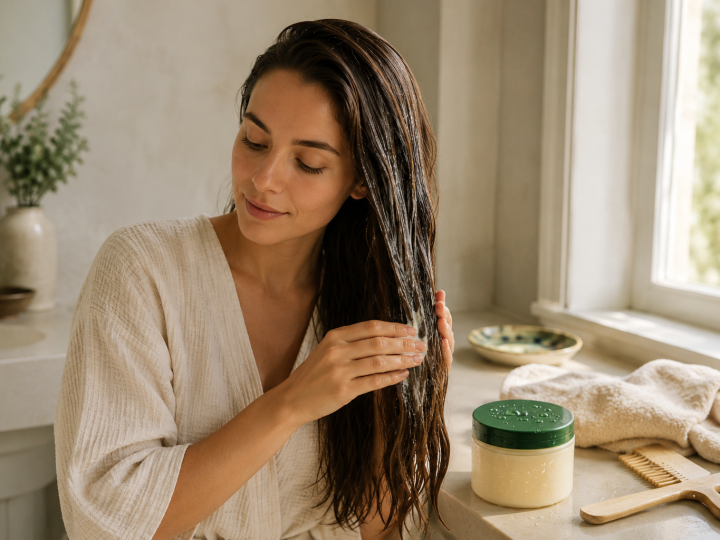
This method suits readers whose lengths became drier, knot faster, and lose smoothness after lightening. If you are researching how to use a mask for damaged hair after bleaching, start with frequency control: one or two sessions a week, then reassess. More is not always better, especially for fine hair that loses volume quickly.
It is also useful for people who want less decision fatigue. Keep wash-day variables tight: same shampoo family, same mask amount, same styling heat range. That consistency shows whether your hair is improving in elasticity, shine, and breakage resistance instead of just feeling temporarily softer in the shower.
How to choose without overloading your lengths
When searching for the best mask for damaged hair after bleaching, avoid choosing by hype alone. Compare formulas by practical fit: how dense the texture is, how your hair responds near the mid-lengths, and whether rinsing leaves your roots feeling heavy. A good match should improve comb-through while keeping your style shape intact the next day.
Price tier matters less than routine compatibility. Budget, mid-range, and premium options can all work if application is consistent and realistic for your week. If your main concern is a weekly mask for damaged hair after bleaching, test under similar conditions for at least two weeks before swapping products. That window helps separate true progress from one-wash optimism.
Common mistakes that slow visible progress
The first mistake is changing cleanser, mask, leave-in, and heat tool settings all at once; you lose the ability to read cause and effect. The second is applying a rich mask too close to the roots on hair that already gets flat quickly. The third is skipping heat protection and blaming only the mask when ends feel rough again.
Post-bleach recovery works best as a calm system, not a product chase. Keep one structure, evaluate over real weekdays, and make small adjustments one at a time. That is how damaged lengths move from fragile and unpredictable to manageable and consistently soft without unnecessary buildup.
This article is editorial and informational. Skin chemistry, climate, and individual sensitivity affect results; when possible, try a product before committing.