You feel the difference between good home essential oils and annoying ones on the kind of evening when the front door has barely shut behind you. The room still carries cold air from an open window, a damp scarf is hanging by the radiator, and you want the apartment to feel calmer without turning the air thick. That is when a pretty scent story stops mattering and behaviour matters more: how fast the aroma blooms, whether it fights with ventilation, and whether it lingers on fabric longer than you actually want.
For readers who already own a diffuser or two, the useful question is not which note sounds trendier. It is whether the oil fits a real room and a real evening. If you are comparing home essential oils for winter evenings, think about the after-work moment, the post-shower hour, or the bedroom you air out before sleep. Those small-use scenes tell you far more than a romantic description on the box.
Notes that survive open windows gracefully
When you air a room often, softer aromatic families usually feel more polished than syrupy blends. Resinous pine, eucalyptus-leaning freshness, restrained herbs, and dry woods tend to build in layers instead of crashing into the room all at once. That matters because a scent that peaks beautifully for two minutes and then turns flat or dusty can feel far heavier in a small apartment than a gentler oil that never tries to dominate the space.
The easiest way to test this is mundane, not glamorous: open a window, wait a few minutes, then restart the diffuser at a low level. If the smell still feels clear after fresh air moves through, you are probably dealing with a better-balanced option. That is also a practical answer to home essential oils for small rooms: the best one is rarely the loudest bottle, but the one that stays readable without coating the whole bedroom in scent.
What to check if you already own a few bottles
Once you have a tiny home fragrance stash, the risk is duplication. One bottle feels a touch warmer, another a touch greener, but in daily life both solve the exact same problem. So if you are wondering how to choose home essential oils without creating clutter, start by naming the gap in your current setup. Do you need something drier for ventilated evenings? Something calmer for a reading corner? Something that works after a shower when heavy sweetness suddenly feels suffocating?
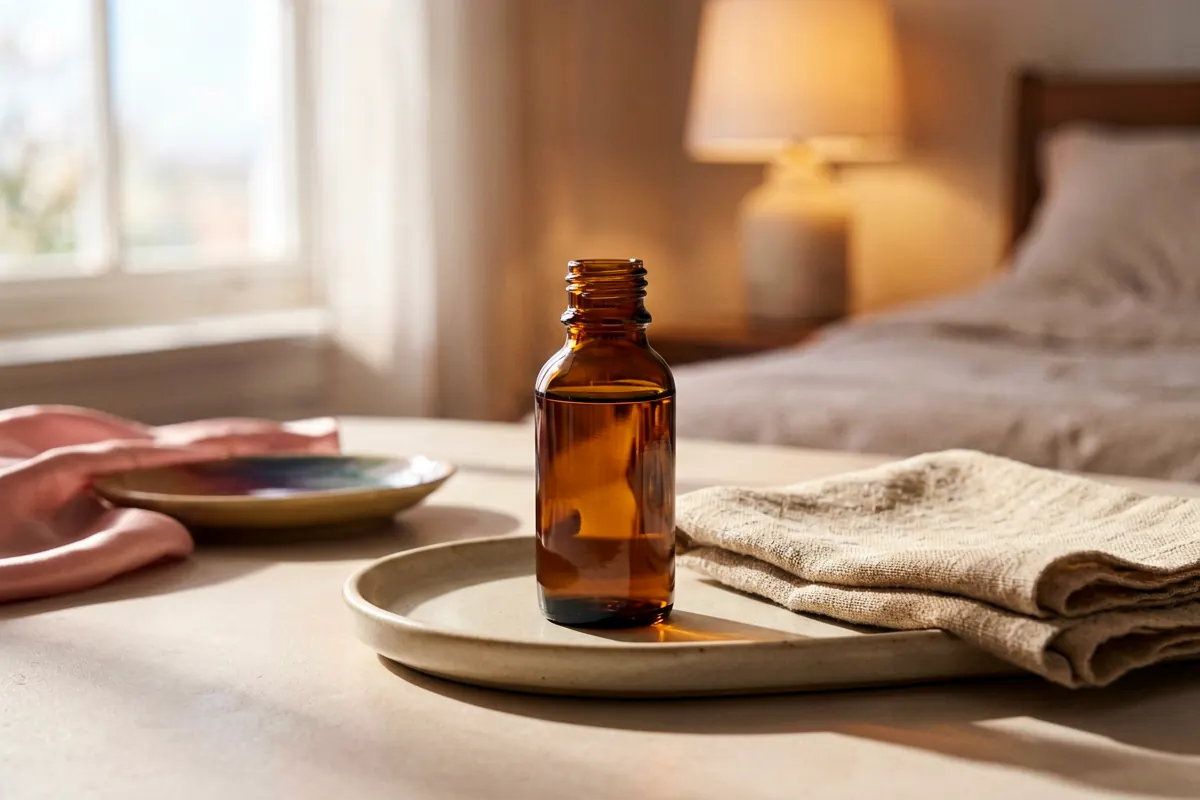
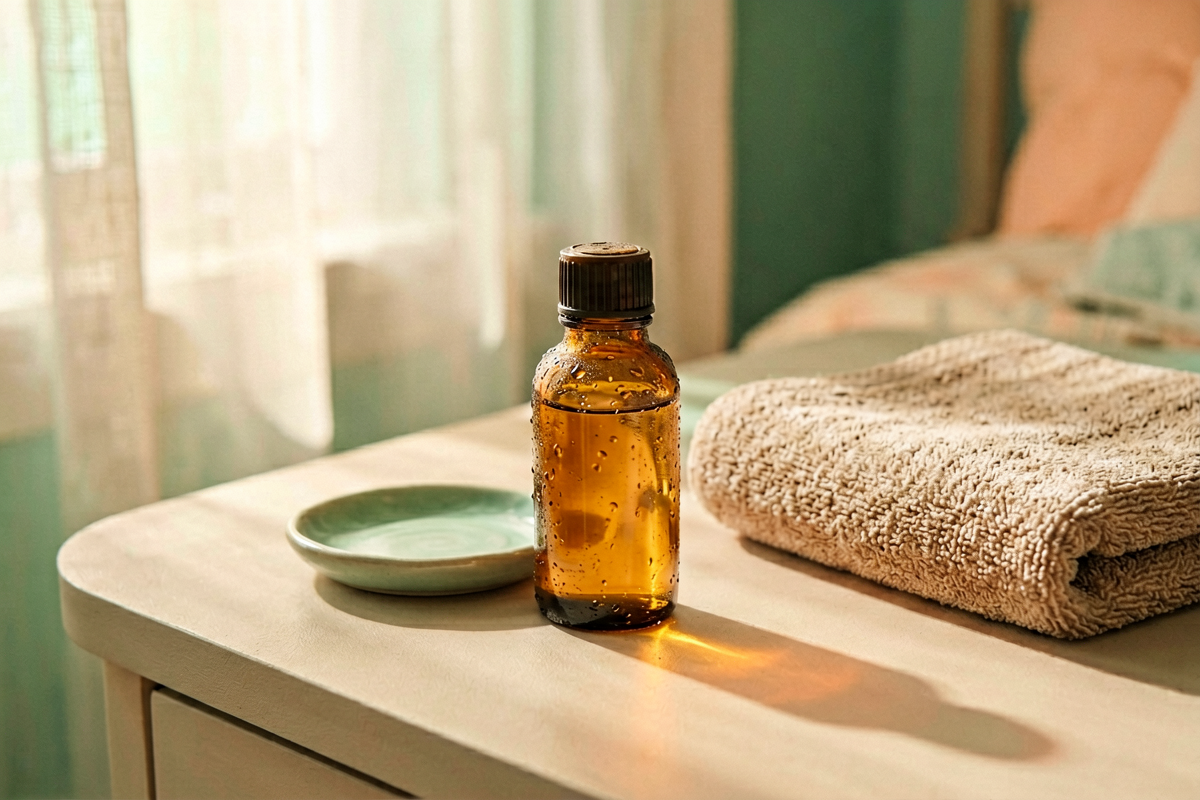
It also helps to think about delivery, not just smell. A neat dropper bottle used in a water diffuser behaves differently from a reed format or a ready-made home blend. If you live with other people, or you only want fragrance in one zone, the most useful purchase is often the easiest one to dial down quickly. Control is part of quality, especially during cold-season weeks when everyone in the house may be more sensitive to strong air.
Where scent overload usually starts
Most overload comes from context, not from one bad ingredient. People use the same intensity they loved in summer, then wonder why the room feels stuffy in February. Or they mix a sweet comfort note with a conifer blend because they want coziness, when what the room really needs is a shorter, cleaner profile. Another common mistake is placing fragrance too close to curtains, bedding, or a robe on the chair, then blaming the oil for hanging around longer than expected.
The fix is boring in the best way: reduce variables. Test one bottle, in one room, with one delivery method, for two or three evenings before deciding it belongs in your regular lineup. That small pause tells you whether the aroma stays elegant after fifteen minutes, after forty minutes, and after the room is aired again. It is a far better filter than buying a boxed set because every name on the label sounds vaguely soothing.
A calmer three-piece setup for cold-season nights
A realistic cold-season arrangement can be very simple: one main scent for the living room or bedside table, one more neutral backup, and one delivery format that takes no ceremony to start. You do not need six mood oils to make the apartment feel collected. A tighter edit usually works better, because each bottle has a job instead of competing for the same hour of the day.
That is the real advantage of editing your choices this way. A smaller setup makes it easier to notice whether the air feels cleaner, whether the scent still suits the room once the heat kicks in, and whether everyone at home can live with it comfortably. In other words, the smartest home essential oils for winter evenings are the ones that stay adjustable, readable, and easy to repeat, not the ones that make the biggest first impression.
This article is editorial and informational. Skin chemistry, climate, and individual sensitivity affect results; when possible, try a product before committing.