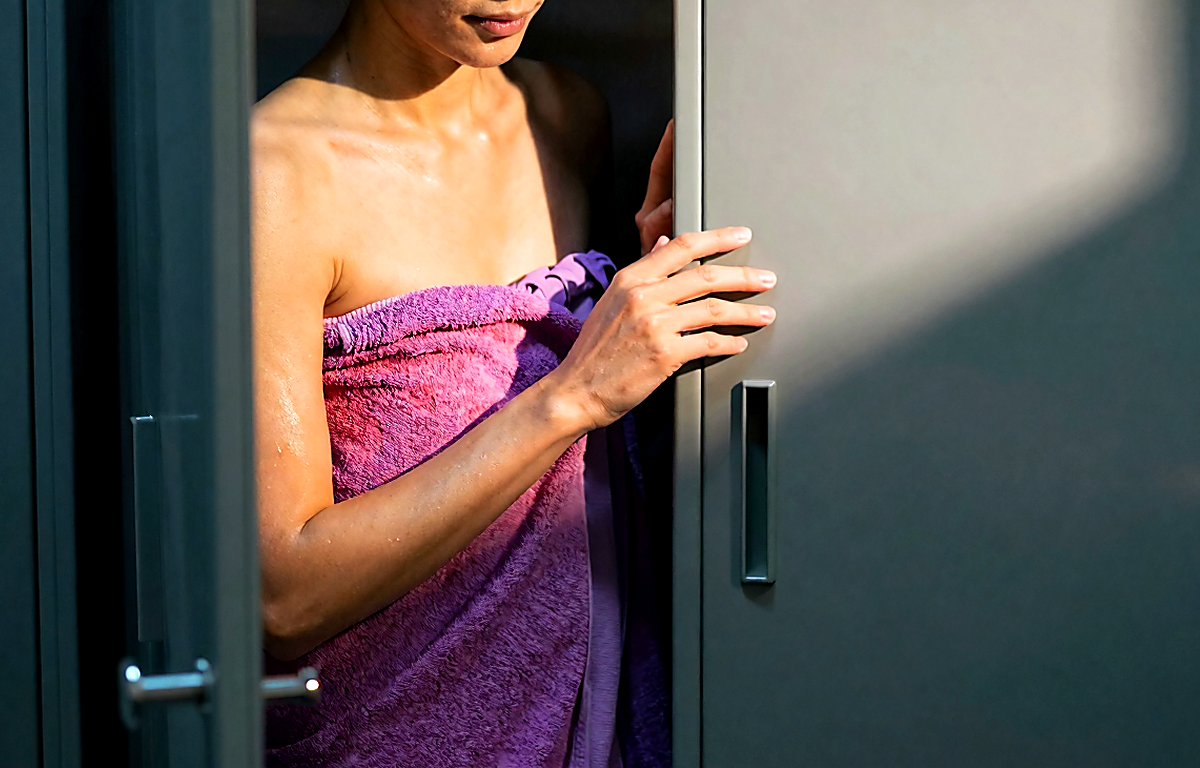
If your skin feels tight after a shower, becomes rough to the touch, and an hour later you already want to apply something nourishing again, the issue is usually not that you need the richest cream possible. It is much more important to choose a product based on your skin condition, the season, and your after-shower habits. For dryness, formulas work best when they do three things at once: help retain water, soften the surface of the skin, and support the protective barrier. Look for glycerin, urea, ceramides, squalane, shea butter, and panthenol.
A good body cream after a shower does not have to be thick and heavy. If the texture feels unpleasant or sticky and makes you skip the routine, even a strong formula will not give a consistent result. The main guideline is simple: the product should spread comfortably over slightly damp skin, reduce tightness quickly, and leave the skin softer not only for 20 minutes, but until your next shower. Below, we break down how to choose that kind of cream without chasing empty promises and what to look for in the formula first.
Why skin becomes dry specifically after a shower
Dryness tends to feel more noticeable after water because hot water, harsh cleansers, and active rubbing with a towel can temporarily weaken the skin’s protective lipid layer. Moisture evaporates from the surface quickly, and the feeling of tightness becomes stronger. If your skin is already prone to dryness, the shower is often the moment when the problem shows up most clearly.
In most cases, post-shower dryness gets worse because of several factors at once:
- water that is too hot;
- a long shower or bath;
- cleansers with aggressive surfactants and strong fragrance;
- scrubbing until the skin feels squeaky clean;
- the habit of rubbing the skin thoroughly with a towel;
- no skincare in the first few minutes after a shower;
- dry indoor air, especially during the heating season.
That is why it makes sense to assess your cream together with your basic routine rather than on its own. Sometimes one simple change—applying the product within a few minutes after showering—is already enough to make the skin feel noticeably better.
Which ingredients to look for in a body cream for dryness
For dry skin, the most helpful products are usually the ones that combine several types of ingredients instead of relying on oils alone. One group helps attract and hold water in the upper layers of the skin, another softens the surface, and a third supports the protective barrier so moisture is lost more slowly.
- Glycerin helps attract water and is one of the most reliable ingredients for everyday dryness.
- Urea helps retain moisture and can also soften rough areas. For regular care, low to moderate concentrations are usually more comfortable.
- Ceramides support the skin barrier and are especially useful if the skin feels not only dry but also sensitive.
- Squalane softens the skin and helps reduce the feeling of dryness without necessarily making the formula feel heavy.
- Shea butter gives more nourishment and is often helpful in colder weather or on very dry areas.
- Panthenol helps soothe the skin and can make the formula feel more comfortable when dryness is accompanied by sensitivity.
If the skin is dry after nearly every shower, it is usually better to choose a balanced formula with both humectants and barrier-supporting ingredients rather than focusing only on a rich oily texture.
How to choose the right texture
The best texture is the one you will actually use consistently. In warm weather or if you dislike heavy products, a lotion or light cream may be enough, especially if it contains glycerin, ceramides, or squalane. In colder months, with very dry indoor air, or when the skin feels rough and flaky, a richer cream can be more comfortable.
- Lotions are usually lighter, spread easily, and work well for mild to moderate dryness.
- Creams are more versatile and often the best choice when the skin regularly feels tight after a shower.
- Rich creams or balms can be useful for very dry areas such as shins, elbows, knees, and forearms.
If a product leaves a film that feels unpleasant, you are more likely to stop using it. In that case, it is better to switch to a more comfortable texture than to force yourself to use a product that only sounds effective on paper.
How to apply body cream after a shower
Application matters almost as much as the formula. The best moment is within the first few minutes after a shower, when the skin is still slightly damp but not wet. This helps reduce moisture loss and makes the product spread more evenly.
- Pat the skin dry gently instead of rubbing it hard with a towel.
- Apply the cream to slightly damp skin.
- Do not wait too long after the shower if your skin becomes tight quickly.
- Use a little more product on the driest areas.
- Apply regularly, not only on days when the dryness already feels severe.
If the product absorbs well and the skin feels comfortable afterward, this is usually a better sign than an overly dense texture that promises intense nourishment but is unpleasant in daily use.
Mistakes that make dryness worse
Even a well-chosen cream may seem ineffective if a few common habits continue to trigger dryness every day.
- Using very hot water for a long time.
- Choosing cleansers that leave the skin feeling stripped.
- Using abrasive scrubs too often.
- Rubbing the body aggressively with a towel.
- Applying cream long after the skin has already dried out completely.
- Expecting one rich product to compensate for an irritating shower routine.
If your skin remains dry despite regular care, it is worth looking not only at the cream, but also at the cleanser, water temperature, shower length, and the humidity level at home.
When a cream may not be enough
If dryness is accompanied by pronounced itching, persistent redness, cracking, pain, or visible irritation that does not improve with a gentle routine, it is better not to rely only on body care products. In that situation, a dermatologist can help rule out skin conditions and recommend appropriate care. This matters especially if the dryness is long-lasting, keeps getting worse, or affects large areas of the body.
A body cream after a shower works best when it matches both your skin and your routine. The ideal product is not simply the richest one, but the one with the right ingredients, a comfortable texture, and a formula you will use consistently after every shower.