If your skin stings, turns red, and practically begs for “something soothing” after shaving, the main thing to look for in a body cream after a shower is not the richest jar or a promise of “perfect smoothness,” but a formula that both reduces moisture loss and does not irritate a freshly compromised skin barrier. In this situation, products without aggressive fragrance or alcohol work best, especially those with hydrating and softening ingredients such as glycerin, panthenol, allantoin, ceramides, squalane, betaine, colloidal oatmeal, centella, or gentle oils. The stronger your skin’s reaction after shaving, the less it needs “beauty” actives right now and the more it needs a calm, restorative base.
The second important point: a good post-shower cream should not just sit on top of the skin like a film. After shaving, skin feels better when the product spreads quickly over slightly damp skin, relieves tightness within 1–2 minutes, and does not make the burning sensation worse. That is why it is better to choose not the “greasiest” cream, but the one that matches your own level of dryness and sensitivity: a lotion or milk for mild dryness, a classic cream for regular discomfort, and a richer balm if you have flaking, microdamage, and a pronounced reaction after hair removal.
Why skin starts burning, itching, and drying out after shaving
Shaving seems simple, but for the skin it is a mechanical procedure. The blade removes not only hair, but also partly affects the very top protective layer. Add a hot shower, a harsh body wash, towel friction, and an active cream with fragrance, and the result is predictable: tightness, redness, small bumps, burning, or itching.
Several factors most often make post-shave discomfort worse:
- water that is too hot, which dehydrates the skin even more;
- dry shaving or shaving with too little slip;
- an old or dull blade;
- products with a lot of fragrance, menthol, acids, or alcohol applied immediately after shaving;
- rough rubbing with a towel instead of gentle blotting;
- applying cream to completely dry skin when tightness has already set in.
If your skin already tends to be dry or sensitive, shaving can trigger an even stronger reaction. That is why the right body cream after a shower is not an optional extra, but part of the routine that helps skin recover more comfortably.
What kind of body cream to choose after a shower
The best option is a product that combines hydration, softening, and barrier support without irritating additives. It should soothe the skin rather than “stimulate renewal,” “cool intensely,” or provide a strong perfumed effect. Right after shaving, simplicity usually works better than complexity.
Look for these ingredients:
- glycerin to attract and hold moisture;
- panthenol for comfort and softening;
- allantoin to help calm irritation;
- ceramides to support the skin barrier;
- squalane to reduce dryness and soften the skin;
- betaine for added hydration and comfort;
- colloidal oatmeal if the skin feels reactive and itchy;
- centella asiatica if you want a soothing, non-aggressive formula;
- gentle oils and butters if the skin is dry and flaky, as long as the texture does not sting.
What is often better to avoid immediately after shaving:
- a high amount of fragrance or essential oils;
- denatured alcohol high on the ingredient list;
- acids, strong exfoliating actives, or retinoids for body care right after hair removal;
- very cooling formulas with menthol if your skin already burns;
- overly active anti-cellulite or “firming” products that may intensify irritation.
Which texture is best: lotion, cream, or balm
Texture should match the skin condition, not just your personal preference.
- Lotion or body milk works well if the skin feels only slightly dry after shaving and you want a light product that absorbs quickly.
- Classic body cream is a good everyday option if tightness, mild redness, or regular discomfort appear after showering and shaving.
- Richer balm is better if the skin is very dry, flaky, easily irritated, or feels damaged after hair removal.
If a cream leaves a heavy greasy layer but does not reduce burning or tightness, it is not necessarily the right product for your skin. Comfort matters more than density alone.
Common mistakes when choosing a post-shower cream
One of the most common mistakes is choosing a product by the promise of “deep nourishment” without looking at how the formula behaves on irritated skin. A rich texture does not automatically mean better recovery. If the product is highly fragranced or overloaded with active ingredients, discomfort may become stronger rather than weaker.
Other common mistakes include:
- applying cream long after the shower instead of while the skin is still slightly damp;
- using the same active body product both before and right after shaving;
- testing a new strongly scented cream on freshly shaved skin;
- layering too many products at once;
- ignoring a recurring burning sensation and continuing to use a product that clearly does not suit your skin.
How to apply body cream after a shower if you shaved
A simple routine usually works best:
- Take a warm, not hot, shower.
- Use a mild cleansing product without an aggressive stripping effect.
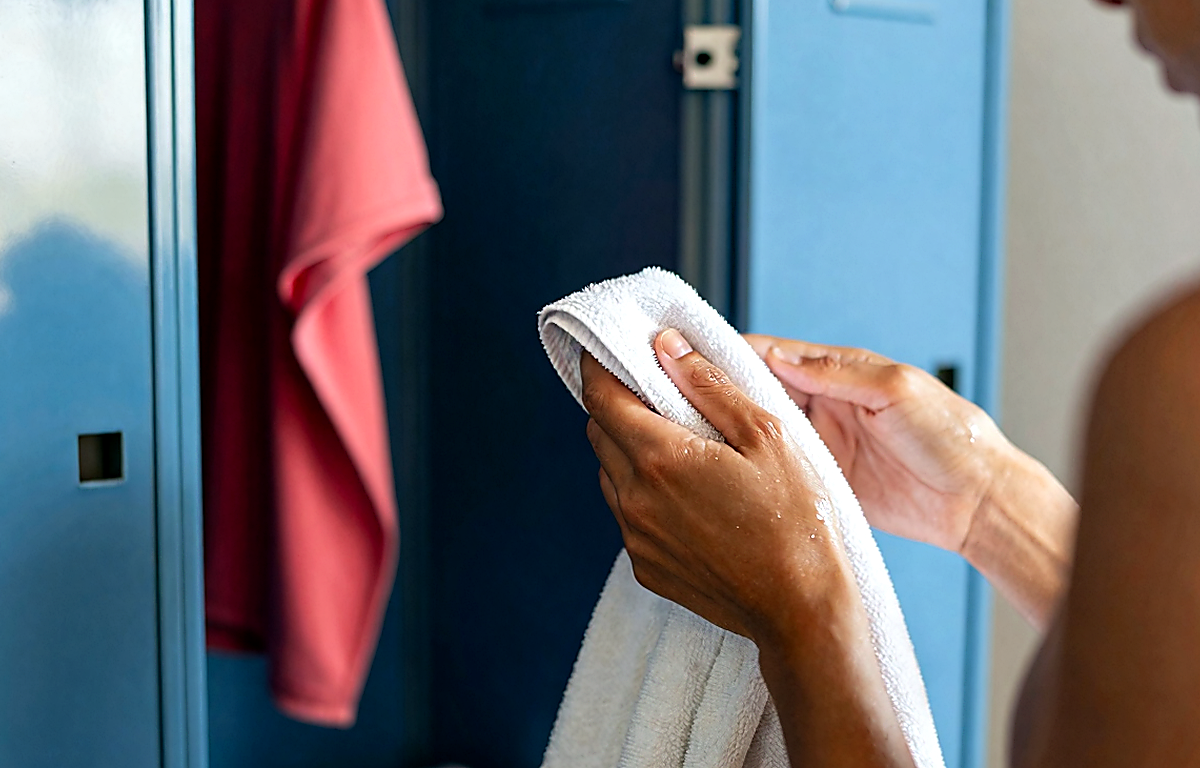
- After shaving, gently blot the skin with a towel instead of rubbing.
- Apply the cream within a few minutes, while the skin is still slightly damp.
- Spread it in a thin, even layer without vigorous massage.
- If some areas burn more, start with a smaller amount and monitor the sensation.
If the skin is very reactive, it is often better to keep the routine minimal for the rest of the day and not add scrubs, acids, or strongly scented products.
When a body cream is not enough
If every shave causes severe redness, painful burning, swelling, rash, or persistent bumps, the issue may not be just dryness. In that case, it is worth reviewing the shaving method itself, the blade condition, the products you use before and after hair removal, and, if needed, speaking with a doctor. A cream can reduce discomfort and support recovery, but it should not mask a reaction that is becoming stronger or keeps recurring.
The bottom line
If your skin feels irritated after shaving, choose a body cream after a shower based on tolerance, barrier support, and comfort rather than on the richest texture or the most dramatic promises. Mild, fragrance-light or fragrance-free formulas with hydrating and soothing ingredients usually work better than aggressive “results-focused” products. The more sensitive your skin is after hair removal, the more useful a calm, restorative formula becomes.