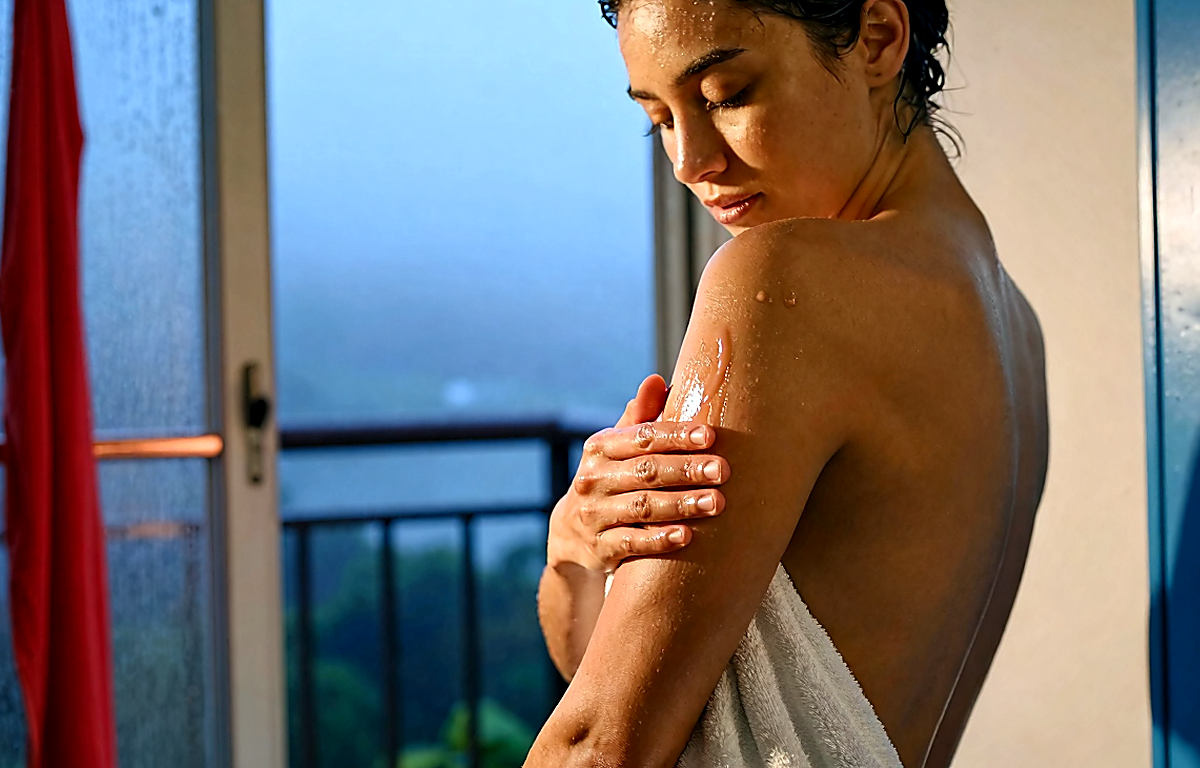
If the skin on your body feels tight by evening, you feel itchy after a shower, and dry patches are visible again on your shins and arms by morning, a nighttime lotion can make a noticeable difference. The key is not to look for the “richest” product, but for one that helps the skin hold on to water: with humectants, softening ingredients, and a comfortable texture you will actually want to apply regularly. For many people, the best evening option is not a heavy body butter, but a medium-weight lotion or body milk that spreads quickly, does not irritate with fragrance, and does not leave a film-like feeling on the sheets.
When dryness is a concern, it is especially important not just to buy a product “for the body,” but to choose one that fits into your evening routine. At night, the skin is no longer dealing with clothing friction, temperature changes, or frequent hand washing, so bedtime is exactly when you have the best chance to give it calm, consistent recovery. A good nighttime lotion should do three things at once: reduce the feeling of tightness, soften roughness, and help the skin barrier keep moisture in until morning. Below is a simple guide to choosing one, the ingredients worth checking first, and the mistakes that can make even a good product seem “useless.”
Why dryness feels especially noticeable in the evening
It often seems as though the skin becomes drier specifically at night, but in reality the discomfort builds up throughout the day. A morning shower, hot water, strongly fragranced shower gels, air conditioning, temperature swings, synthetic clothing, and even the habit of sitting for a long time near an open window can gradually reduce skin comfort. By evening, we finally notice the consequences: the surface feels rougher, the skin has a thin “paper-like” feel to the touch, and light flaking appears in certain areas.
Before bed, the skin also responds better to care because you are not in a rush. In the morning, many people apply product to fully dry skin at the last minute, while in the evening there is a chance to spread lotion over slightly damp skin after a shower, give extra attention to the driest areas, and let the product absorb calmly. This simple change often works better than switching to a much heavier texture.
What to look for in a nighttime lotion
If dryness is your main complaint, start by looking at the formula rather than the marketing promises on the front of the bottle. The most useful products usually combine several groups of ingredients at once: humectants that attract water, emollients that soften the skin, and barrier-supporting components that help reduce moisture loss.
Humectants usually include glycerin, urea in a gentle concentration, panthenol, sodium PCA, aloe, or hyaluronic acid. They help the skin stay more hydrated and reduce the feeling of tightness. Emollients such as plant oils, squalane, fatty alcohols, shea butter, or triglycerides make the surface smoother and more comfortable. Barrier-supporting ingredients may include ceramides, cholesterol, and fatty acids. Together, these components help the skin feel less reactive by morning.
If the skin is not only dry but also sensitive, it is better to choose formulas without a strong fragrance, cooling additives, or aggressive exfoliating acids. “Active” does not always mean “better,” especially for bedtime use. If the goal is comfort and recovery, a calm, predictable formula is usually the smarter choice.
Which texture is best for evening use
Very dry skin does not always need the thickest texture available. If a rich product is unpleasant to apply, takes too long to spread, or leaves marks on clothing and bedding, it is likely to be used irregularly. In practice, a medium-density lotion often wins because it is easier to apply generously and evenly.
Body milk is a good option if dryness is mild to moderate and you want the product to absorb quickly. A classic lotion suits most people who need a balance between comfort and nourishment. A cream may be better for rough areas such as shins, elbows, knees, and forearms. Dense balms and butters can be useful as a targeted step for very dry patches, but they do not always work well as the only product for the whole body.
The most practical choice is the one you can apply without resistance every night. A product that feels “not too much” but still leaves the skin softer by morning is often more effective than a richer option that stays unused on the shelf.
How to apply lotion before bed so it actually helps
The best moment to apply body lotion is within a few minutes after a shower, when the skin is still slightly damp. This helps humectants work better and makes the product easier to spread in a thinner, more even layer. There is no need to rub until the skin feels completely dry; it is enough for the product to settle comfortably without a sticky excess.
Pay special attention to the areas that usually suffer first from dryness: shins, calves, knees, elbows, hands, and forearms. If these zones remain rough even with regular lotion use, you can apply an extra layer there instead of covering the whole body with a heavier formula. That approach is often more comfortable and more realistic for daily use.
If you shower late, keep the routine simple. The easier the evening ritual, the more likely it is to become consistent. Dry skin responds best not to occasional “intensive rescue,” but to regular support without long breaks.
Mistakes that make a good lotion seem ineffective
One of the most common mistakes is applying lotion to very dry skin long after showering. In that case, the product may soften the surface temporarily, but it does less to help the skin retain moisture. Another frequent problem is choosing a formula mainly by scent or by the promise of “deep nourishment,” while ignoring whether the texture is actually comfortable enough for daily use.
Water that is too hot, harsh cleansers, rough towels, and frequent exfoliation can also cancel out the effect of even a well-chosen lotion. If the skin barrier is irritated every day, the product has to work against a constant source of dryness. In that situation, it makes sense to review the whole routine: shower temperature, body wash, and how often you use scrubs or acids.
It is also important not to expect an overnight transformation. If the skin has been dry for a long time, a visible improvement usually comes from several days or weeks of steady evening care rather than from one very rich application.
When a lotion is not enough
If dryness is accompanied by cracking, persistent redness, burning, pain, marked flaking, or itching that does not improve with a gentler routine, a regular body lotion may not be enough. In that case, it is better not to keep experimenting endlessly with random products. Strong discomfort, inflamed patches, or symptoms that return again and again deserve a professional assessment.
A nighttime lotion works best when dryness is linked to everyday factors and a weakened skin barrier, not when there is a separate skin condition that needs diagnosis. If your skin reacts sharply even to basic fragrance-free formulas, choose the mildest care possible and seek professional advice.
How to make the right choice
If dryness bothers you mostly by evening, choose a nighttime lotion based on three simple criteria: moisture-retaining ingredients, a texture you genuinely enjoy using, and a formula that does not overload sensitive skin with fragrance or unnecessary actives. For most people, the best option is not the richest jar, but a balanced lotion that can be applied consistently after every shower.
When the evening product fits your routine, the result is noticeable quite quickly: less tightness, smoother skin to the touch, and fewer dry areas in the morning. And that is exactly the effect a good bedtime lotion should deliver.