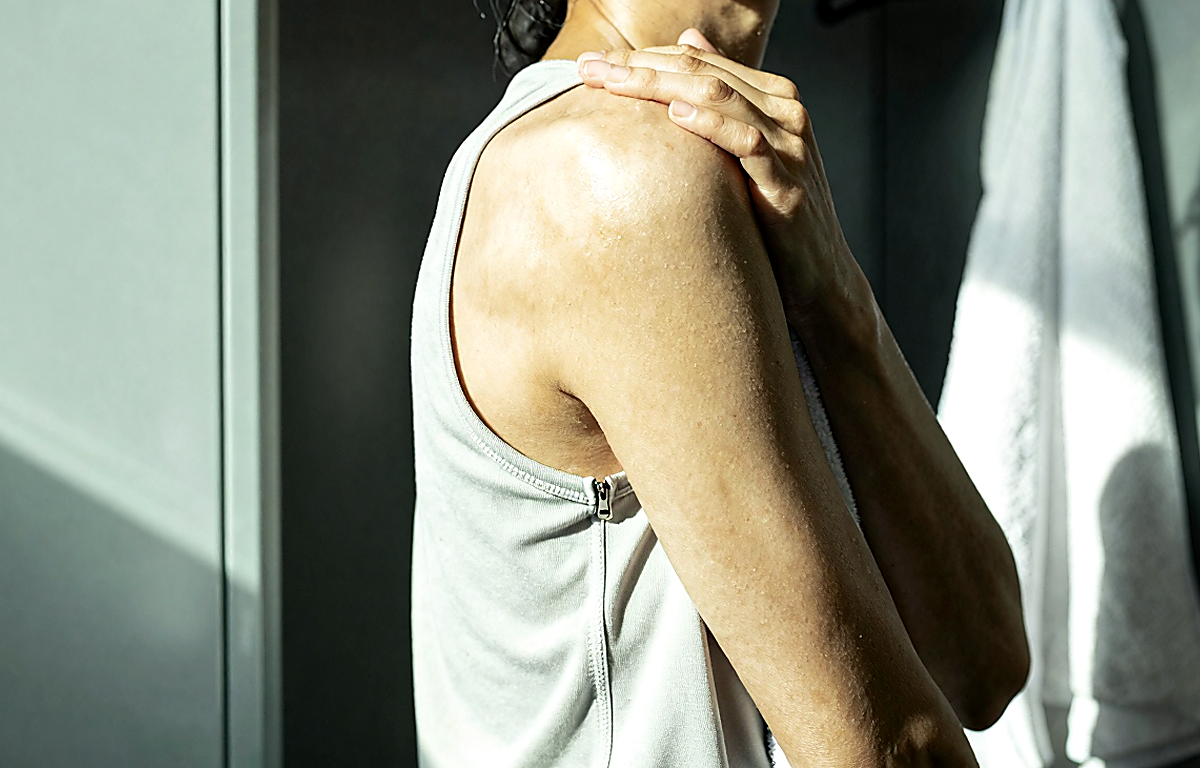
If your underarm skin became dry, tight, or flaky after using a Nivea deodorant or any similar product, the issue is usually not one single “bad” product but a combination of factors: the formula, the format, the condition of the skin after shaving, how often you apply it, and even the habit of refreshing the product over an already irritated area. Instead of immediately looking for the “gentlest” deodorant, it is more useful to check a few specific points: whether the formula contains alcohol and strong fragrance, whether you are applying it right after hair removal, whether you are layering it too often during the day, and whether the formula is clashing with your body-care routine.
Nivea has different product lines and textures—sprays, roll-ons, sticks, versions with a stronger scent, and more neutral options. That is why the question “Does Nivea dry out the skin?” is better replaced with another one: which exact formula is drying out your skin, and under what conditions does it happen? Dryness after deodorant can often be reduced without giving up the product completely: switch formats, apply it only to dry, unbroken skin, wait after shaving, and add basic moisturization to your body routine. Below is a practical checklist that helps you understand what exactly is worth changing.
Why deodorant can dry out the skin
Underarm skin is thin, often exposed to friction, and regularly comes into contact with a razor, clothing fabric, sweat, and cleansers. Because of this, even in a normal state it is more sensitive than it may seem. When that everyday stress is combined with a deodorant that has an active fragrance composition, alcohol, or simply an unsuitable texture, the result can be dryness, roughness, and a stinging sensation.
It is important to distinguish between a few scenarios. The first is simple dryness: the skin looks matte, feels slightly rough, and may show a little flaking. The second is irritation: there is redness, burning, soreness, and the reaction becomes stronger after each application. The third is post-shaving or friction-related reactivity: on calm days the product feels fine, but after hair removal, sweating, or rubbing from clothing it suddenly starts to sting and dry the area out. These situations can look similar, but the cause and the solution are not always the same.
What to check first in the formula
Alcohol
If dryness appears regularly, first look at whether the product contains alcohol. For some people, alcohol in deodorants is tolerated well, but if the skin barrier is already weakened—especially after shaving—it can increase tightness and discomfort. This does not mean every formula with alcohol is automatically unsuitable, but if you notice a repeatable reaction, this is one of the first things worth checking.
Fragrance
A strong scent is another common trigger. Fragrance does not affect everyone the same way, but sensitized underarm skin often reacts more strongly to intense aromatic formulas. If the skin feels drier after scented versions than after more neutral ones, it makes sense to compare textures and fragrance intensity rather than judging the whole brand by one product.
Why timing matters
One of the most common reasons for dryness is applying deodorant right after shaving or any other form of hair removal. At that moment the skin barrier is more vulnerable, even if there are no visible cuts. A product that feels completely normal on an ordinary day may sting, dry out the area, or cause flaking when applied too soon after shaving.
If you suspect this is the trigger, do not evaluate the deodorant only by how it behaves immediately after hair removal. Watch whether the same formula feels calmer when the skin has had time to recover. This simple distinction often explains why a product seems “bad” only on certain days.
How the product format can affect dryness
Sprays, roll-ons, and sticks can feel very different on the skin even when they serve the same purpose. One format may feel lighter, another may sit more densely on the skin, and a third may be more noticeable if the area is already irritated. That is why dryness is not always about the brand name alone—it can be about the specific texture your skin tolerates better.
If you are trying to understand the reaction, compare one format at a time instead of changing everything at once. When several factors change together, it becomes difficult to see what actually made the difference.
Application habits that can make the problem worse
Dryness often becomes more noticeable when deodorant is layered repeatedly during the day, especially if it is being applied over sweat, friction, or skin that already feels irritated. More product does not always mean better comfort. In some cases, repeated reapplication only increases the load on already stressed skin.
It also matters whether you apply the product to completely dry skin. If the area is still damp after washing, sweating, or body care, the formula may feel harsher or behave less predictably. A simpler application pattern is often more helpful than constantly refreshing the product.
Check whether it conflicts with your body care
If you use active body products in the underarm area or nearby, the skin may become more reactive overall. Even without obvious irritation, a weakened barrier can make an ordinary deodorant feel drying. In that case, the problem may be not only the deodorant itself, but the combination of products and the general state of the skin.
When dryness keeps returning, it helps to look at the whole routine rather than isolating one product too quickly. Sometimes the best fix is not a dramatic replacement, but a calmer routine with fewer irritating overlaps.
What usually helps
- Do not apply deodorant immediately after shaving.
- Use it only on dry, unbroken skin.
- Check whether the formula contains alcohol or has a strong fragrance.
- Try another format if one texture regularly feels worse.
- Do not keep layering the product onto an already irritated area.
- Add basic moisturization to your body routine if the skin barrier feels depleted.
When it is no longer just dryness
If the reaction includes persistent redness, marked burning, pain, swelling, or worsening irritation with each use, it is better to stop using the product and not try to “push through.” A stronger reaction is different from mild dryness and may require a more careful approach.
If the discomfort does not settle down, or if the skin continues to react even without the product, it is sensible to seek medical advice. This is especially important if the area becomes very sore or inflamed.
Bottom line
If Nivea deodorant seems to dry out your underarms, do not reduce the whole issue to one simple verdict. It is more useful to check the formula, the fragrance level, the product format, the condition of the skin after shaving, and your application habits. In many cases, dryness can be reduced without giving up deodorant altogether—by identifying which exact version and which exact conditions are causing the problem.