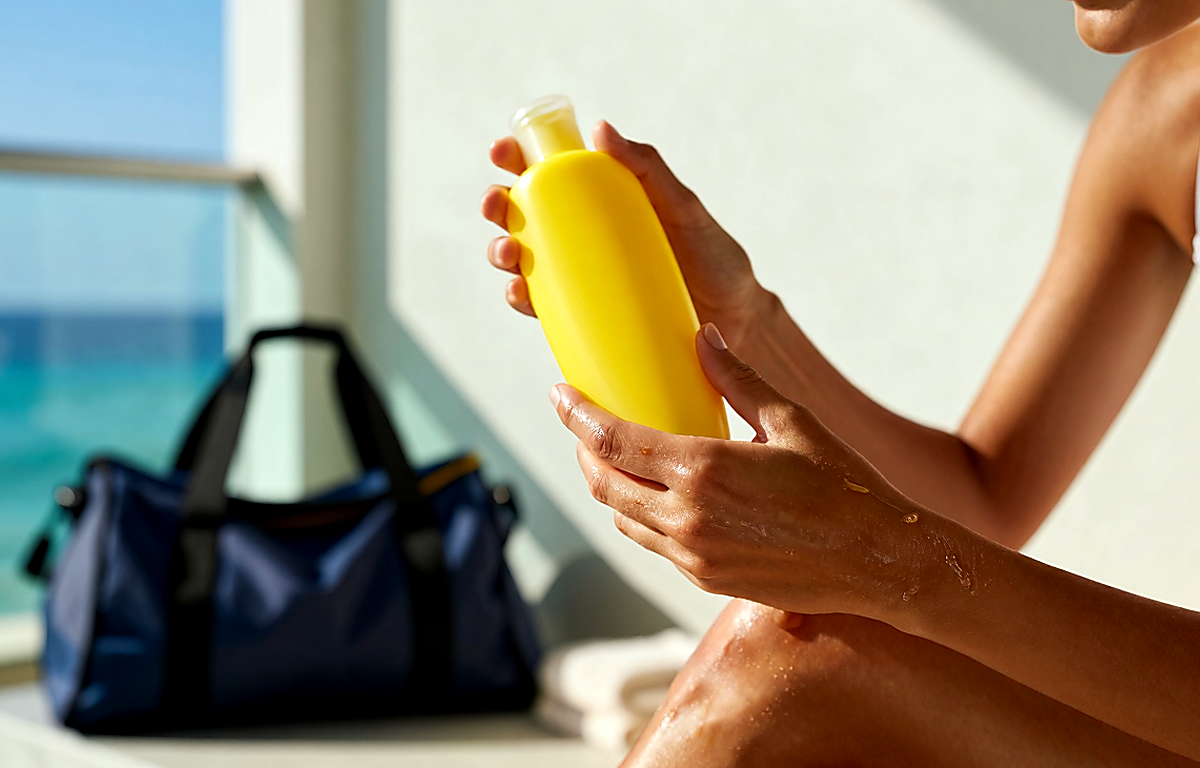
If the skin on your body looks uneven, rough, dotted in places, or as if it is constantly dry, the main question is usually not “which brand is better,” but what exactly your shower gel is doing every day. Even a good product may not suit you if it cleanses too aggressively, conflicts with your body cream, or simply does not address your specific goal: softening dry bumps, reducing roughness, and not triggering tightness after a shower.
That is why, when choosing Topicrem or any other shower gel for uneven skin texture, it makes sense to check not the promises on the packaging first, but a few practical points: how mild the cleansing base is, whether the formula contains acids or urea, how much potentially irritating fragrance it has, whether your skin feels dry after showering, and what you pair it with in the rest of your routine. Very often, this combination of gentle cleansing plus the right body cream delivers more noticeable results than constantly switching products.
Why body skin becomes uneven
Uneven skin texture is not one universal scenario. Different conditions can hide behind that phrase, and that determines what kind of shower gel will work best. For some people, it means tiny dry bumps on the shoulders and thighs; for others, roughness on the shins; for someone else, uneven texture after shaving, clothing friction, or showers that are too hot.
In everyday life, a few causes are especially common:
- dehydration and a damaged protective barrier — the skin looks dull, feels rough, and quickly becomes tight after water exposure;
- a buildup of dead skin cells — the surface feels uneven to the touch, especially on the arms, thighs, and buttocks;
- a tendency toward follicular roughness — small bumps around hair follicles;
- friction, shaving, sports, and synthetic clothing — these can intensify surface texture and dryness;
- overly aggressive cleansing — when a shower gel dries the skin out every day and makes the texture more noticeable.
That is why the fact that a product is labeled “for dry skin” or “for sensitive skin” does not automatically mean it is the right match. With uneven skin, it is especially important that cleansing does not worsen roughness and, ideally, helps smooth it gently.
What to check first in Topicrem or any shower gel
If you look at a shower gel from a practical point of view, there are five parameters that really affect how comfortable your skin feels. They matter more than beautiful phrases like “velvety skin” or “instant transformation.”
- The cleansing base. The gentler the cleansing, the lower the chance that your skin will feel drier and more textured after a shower. If you immediately feel the need to apply cream and your skin literally feels stripped without it, the product is probably too harsh for you.
- The presence of smoothing ingredients. These may include mild acids, urea, and moisturizing or softening agents. They do not replace dedicated treatment, but they can make daily cleansing more beneficial.
- Fragrance and irritation potential. If your skin reacts with redness, itching, or burning, especially after a hot shower or shaving, heavily fragranced formulas often become an extra trigger.
- The texture format. Cream-gels, shower milks, and gentler cleansing formats are often better tolerated by dry, uneven skin than “degreasing” transparent gels with a more pronounced cleansing effect.
- Compatibility with the rest of your routine. One gel rarely solves the problem on its own. If you use a suitable body cream afterward, the result is usually more noticeable and more consistent.
Topicrem is a good example here because the brand is often considered an option for dry and sensitive skin. But even within one brand, formulas can feel very different: gentler, more fragranced, more nourishing, or simply basic cleansers. So it is worth focusing not only on the brand name, but on the specific formula and the way the product behaves on your skin.
Which ingredients help when roughness is the concern
When we are talking about uneven skin, it is more useful to look for understandable categories of ingredients than for one “magic” product. They work in different ways: some reduce overdrying, some help soften built-up skin, and others help hold water in the skin.
Here is what to look for in a shower gel formula or in the supporting care that goes with it:
- Glycerin — a basic but very useful humectant. It does not smooth texture directly, but it helps reduce the feeling of tightness.
- Urea — one of the most practical ingredients for dry, rough skin. In gentle formulas, it helps retain moisture and gradually makes the surface feel smoother.
- Lactic acid — often a good fit for people who want a more even texture without overly aggressive action. It works both as a mild exfoliant and as a moisturizing component.
- Salicylic acid — it can be helpful if the unevenness is linked to areas prone to clogged follicles, but on sensitive skin it may feel too strong when used often.
- Gentle emollients — oils, fatty alcohols, and softening additives that help keep the skin from feeling bare after cleansing.
- Panthenol, allantoin, niacinamide — not always essential in a shower gel, but they fit well into a soothing, supportive routine.
It is important to understand that a shower gel stays on the skin only briefly, so you should not expect it to work like a dedicated acid lotion. But the right cleansing formula can do two very important things: stop making the situation worse and create better conditions for the care you apply afterward.
If you see that Topicrem offers a gentle cleansing product that does not leave your skin feeling squeaky-clean, while the main focus of your routine is a cream or balm after the shower, that is often a more reasonable strategy than trying to find an extremely active shower gel that is supposed to fix everything at once.
What can make skin texture worse even if the product seems good
Sometimes a person chooses a quality shower gel, but the uneven texture does not improve. In that case, the problem may not be the brand, but the details of how the product is used. A few typical mistakes can cancel out even a good routine.
- Showers that are too hot. Hot water quickly increases dryness and makes the skin more sensitive. After that, even a gentle gel may feel harsher.
- Frequent use of scrubs with large particles. If the skin is already rough, aggressive friction does not always help. Sometimes it makes the surface look more irritated and visually more uneven.
- A harsh washcloth every day. Constant mechanical friction can keep the irritation cycle going.
- Applying cream too rarely after showering. If cleansing is not followed by a moisturizing or softening product, water evaporates quickly and the skin becomes dry again.
- Too many fragranced products layered together. A gel, a scrub, a lotion, and a perfumed mist can collectively raise the risk of irritation, especially on sensitive skin.
- Expecting instant results. Uneven texture usually changes gradually. The skin needs time for its renewal cycle to become more even.
If after several uses of a new shower gel you notice burning, persistent redness, or increased itching, pay attention not to the product promises but to your skin’s reaction. Even a gentle formula may still not be right for you.
How to read the ingredient list without unnecessary anxiety
You do not need to analyze an INCI list down to the last comma, but a few reference points really do help. If you are choosing Topicrem or any other shower gel for uneven skin texture, it helps to look at the formula not like an exam, but like a short checklist.
First, pay attention to which cleansing ingredients appear near the beginning of the list. Surfactants themselves are not simply “bad” or “good,” but some combinations are milder than others. If your skin dries out easily, gentler combinations usually feel more comfortable, especially when the formula is supported by glycerin and softening ingredients.
Second, look for moisturizing and soothing additions. Uneven skin rarely likes “empty” cleansing that leaves nothing behind except a feeling of cleanliness. Glycerin, panthenol, emollients, and sometimes urea are all good signs in an everyday product.
Third, assess the fragrance load. Fragrance is not always a problem, but if your skin tends to be reactive, the simpler the formula, the easier it is to understand whether it suits you. This is especially important after shaving and on the chest area, shoulders, and inner arms.
Fourth, do not confuse activity with aggression. Acids in a cleanser can be useful, but if you already use an active body lotion, retinoids, or at-home peels, extra “acidity” in your shower gel is not always necessary. Sometimes it is better to choose a very gentle cleanser and leave texture correction to a leave-on product.
And finally, remember the context. The same product may feel perfect in winter and too heavy in summer, or comfortable in summer but not enough during heating season when dryness is worse. Seasonality matters a lot in body care. If you need a lighter post-shower option in warm weather, you may find our article on a lightweight body cream for summer without stickiness helpful.
When a gentle gel is enough and when you need care with acids or urea
A very common question is whether you specifically need a shower gel with actives if your skin texture is uneven. Not always. In a real-life routine, it often works better to separate the roles of cleansing and follow-up care.
A gentle shower gel is usually enough if:
- there is mild dryness and roughness after showering, but no pronounced dense bumps;
- your skin is sensitive and reddens easily;
- you already use a body cream or body milk with a good moisturizing formula;
- your goal is not to worsen dryness and to support the barrier.
It is worth thinking about adding products with urea or acids if:
- the roughness is constant and especially noticeable on the shoulders, thighs, or buttocks;
- the skin feels coarse to the touch and simple moisturization is not enough;
- you are prone to dry follicular bumps;
- you can see that gentle cleansing improves comfort but does not change the texture as much as you would like.
In that case, it usually makes more sense not to complicate the shower gel itself, but to choose a leave-on product after water exposure: a cream, balm, or lotion with urea, lactic acid, or other texture-smoothing ingredients. That is almost always more effective than relying on cleansing alone.
If you use retinoids, active acids, are pregnant, or your skin has become especially sensitive, introduce new exfoliating products carefully and gradually. If in doubt, it is sensible to discuss this with a dermatologist.
Practical algorithm: how to check whether a specific shower gel suits you
To avoid switching products chaotically, it helps to assess a new shower gel using a clear, practical framework. This is especially useful if you are choosing a popular product like Topicrem and want to understand whether it helps your skin specifically, rather than simply having a good reputation.
- Assess your skin before you start. Where exactly is the unevenness: shoulders, arms, thighs, shins? Is there dryness, itching, or redness?
- Do not change your entire routine at once. Otherwise, it will be impossible to understand what did or did not work.
- Use the product for 2 to 3 weeks on a stable schedule. That is usually enough to judge post-shower comfort and the overall condition of the skin.
- Track three markers: whether tightness decreases, whether the feeling of roughness becomes less noticeable, and whether irritation appears.
- Always apply cream after showering. Even the best shower gel does not replace proper moisturization and softening.
- Do not add a harsh scrub at the same time. Otherwise, you may wrongly decide that the gel is the problem when excessive friction is actually to blame.
If after a few weeks your skin feels softer, gets less dry, and looks more even, the product has found its place in your routine. If not, that does not automatically mean the product is “bad”; it may mean you need not another brand, but another type of formula or a more active body cream.
When it is worth being cautious and seeing a doctor
Uneven skin texture does not always require medical advice, but there are situations where it is better not to keep experimenting endlessly on your own. See a doctor if the roughness is accompanied by pronounced itching, pain, swelling, oozing, intense redness, cracks, or if it worsens despite gentle care. A consultation is also important if you suspect a skin condition, a reaction to medications, or if you are unsure whether active ingredients are appropriate during pregnancy.
Extra caution is needed if a new shower gel causes persistent burning, worsens inflammation after shaving, or makes the skin react painfully even to water. In that case, it is better to stop the experiment, return to the gentlest basic routine possible, and discuss the situation with a specialist.
If the topic of skincare in general feels confusing, it can be useful to return to the basics from time to time: the logic of gentle cleansing, moisturization, and moderation with actives works not only for the body, but in other categories of care as well. A similar principle can be used to build a basic facial routine too — we covered that in detail in our article on how to build a basic skincare routine for the face.
Bottom line: what to look at first
In short, if you have uneven skin texture, choose Topicrem or any other shower gel not by loud promises, but by three main criteria: gentle cleansing, no unnecessary irritation, and the ability to fit into your overall routine. A good sign is when your skin does not feel tight after a shower, does not turn red, and accepts body cream better.
For most people, the most sensible approach looks like this: a gentle shower gel every day, minimal traumatic friction, a comfortable water temperature, and leave-on care after showering. And if the roughness is persistent, sensitive, or accompanied by unpleasant symptoms, it is better not to intensify home experiments, but to get an in-person recommendation from a doctor. That approach is usually what helps the skin become smoother without unnecessary stress or unrealistic expectations.