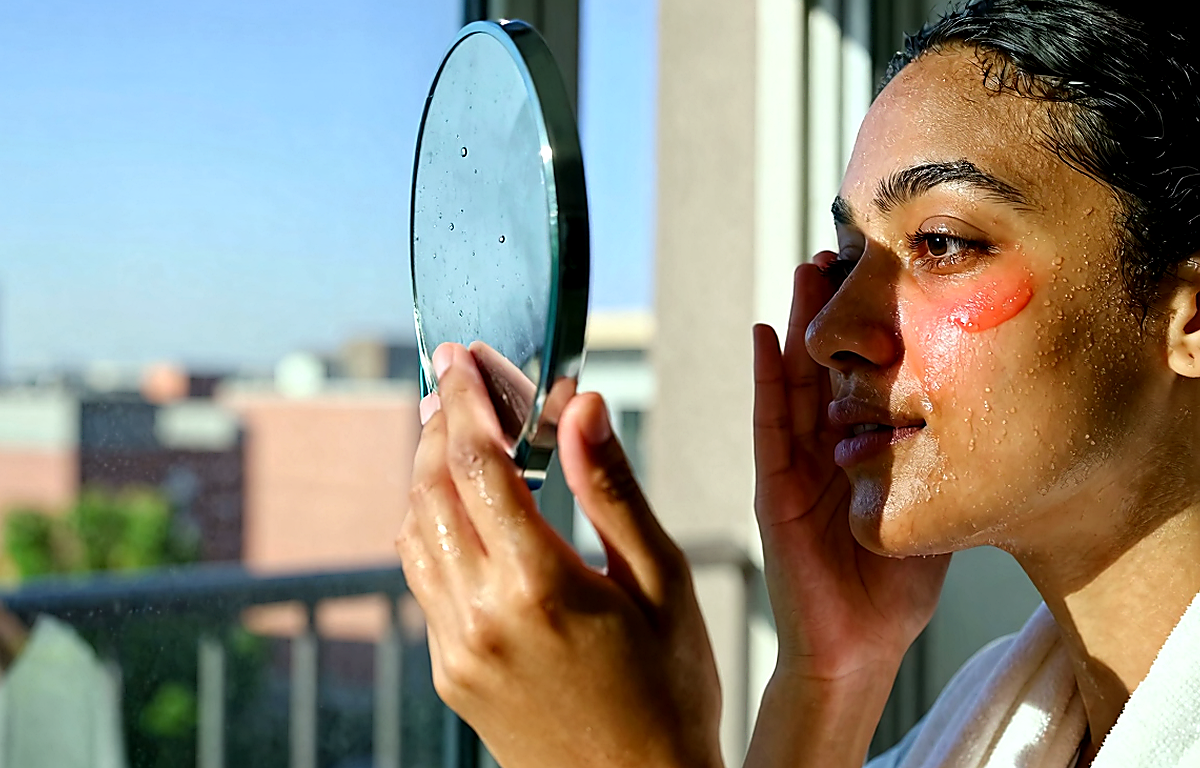
If your skin turns red after applying a cream, or is already in a state of ongoing sensitivity, relying on a well-known brand name alone is not enough. Even respected and successful brands, including La Roche-Posay, offer very different formulas: some are designed for reactive skin and barrier support, while others contain actives, richer textures, or components that do not suit everyone during a period of irritation. The main practical takeaway is simple: when redness is a concern, you need to check not just the name on the jar, but the ingredient list, the type of formula, how it fits with the rest of your routine, and exactly how your skin reacts in the first few days.
The second important point is that redness does not always mean a cream is “bad.” Sometimes the reason is a compromised skin barrier, too many products at once, a combination of acids and retinoids, over-cleansing, or even the weather. That is why choosing a La Roche-Posay cream when redness is an issue makes more sense by checklist than by popularity: no unnecessary irritants, a focus on hydration and comfort, a clear purpose for sensitive skin, and no overloaded routine around it. This approach helps you stop searching for a miracle jar and instead lower the risk of making things worse.
Why skin becomes red specifically after cream or during a skincare routine
Redness is not one single scenario, but several different conditions that can look similar on the surface. For some people, it is a short-term reaction to active ingredients; for others, it is a sign of a weakened barrier; and for others, it reflects sensitivity, a tendency toward rosacea, or an irritant contact response. That is why it is important to understand at least the general nature of the reaction before buying anything.
- Immediate burning and persistent discomfort more often suggest that the formula is currently too active or that the skin is damaged.
- Mild temporary redness for a few minutes can sometimes happen with very sensitive skin even when using neutral products, but it should not become stronger day after day.
- Red patches, flaking, and tightness are often linked to a compromised barrier and dehydration.
- Redness alongside acids, retinoids, scrubs, and frequent cleansing is often the result of the whole routine, not just one cream.
That is why a product should be assessed in context: what you wash with, whether you use active serums, whether you apply SPF, and whether you are layering several potentially irritating products at once. If you need a basic reference point for a calmer routine, it can help to first put together a simple, understandable regimen and only then test a new cream. In that sense, this article may be useful: how to build a basic facial skincare routine.
What to check first in a La Roche-Posay cream
When redness is a concern, it is best to evaluate a product in a certain order. Not by marketing claims or social media discussion, but by the core features of the formula.
- What skin condition the cream is meant for. Look not for the generic wording “for all skin types,” but for an emphasis on sensitive, reactive, dryness-prone, or weakened skin.
- How minimalist the formula is. The more irritated the skin is, the more likely it is to tolerate calmer formulas without a large number of secondary add-ons.
- Whether there are potentially irritating ingredients. During a period of redness, pay especially close attention to fragrance, harsh acids, strong actives, and a large number of essential-oil-type components.
- What kind of texture the product has. A rich nourishing cream may soothe dry skin, but feel heavy and uncomfortable on combination skin; a very light fluid may feel pleasant during the day, but fail to meet the needs of a compromised barrier.
- What you will combine it with. Even a good cream may not show its best side if you are also using retinoids, acids, harsh cleansing, and hot water at the same time.
For pharmacy skincare brands, popularity often plays a double role: on the one hand, it is easier to find lines for sensitive skin; on the other, it creates the illusion that any product will automatically suit everyone. In practice, the important thing is not to choose “just any La Roche-Posay cream,” but the version that logically fits your particular situation.
Which ingredients more often support skin with redness
If we are talking not about one specific jar but about the properties of a formula, then with redness it helps to look for ingredients that retain moisture, soften the skin, and support the protective barrier. They do not promise to “cure” sensitivity, but they often make skincare more tolerable and comfortable.
- Glycerin is a basic humectant that helps the skin avoid losing water too quickly.
- Ceramides are important for supporting barrier function, especially if the skin has become thin, dry, and reactive.
- Panthenol is known for its soothing, softening profile in skincare formulas.
- Niacinamide often works well for the barrier and overall skin comfort, although with very high sensitivity even it is sometimes introduced cautiously.
- Squalane helps soften the skin and reduce feelings of tightness without necessarily feeling heavy.
- Thermal water, allantoin, and gentle emollients are not magic, but they often make a texture more comfortable for sensitive skin.
An important nuance here: a “beneficial ingredient” does not mean automatic compatibility. For example, niacinamide works excellently for many people, but on very irritated skin even a good formula may sting at first. That is why you should look not at one hero ingredient, but at the whole composition and the condition of your skin here and now.
It is also worth assessing the concentration of actives in the rest of your routine. If you are already using a serum with acids, vitamin C in an active form, or a retinoid, then the cream is best chosen to be as neutral and supportive as possible, rather than another “intensive” product.
Which signs in the formula may be a concern
There is no universal blacklist that works the same way for everyone. But with pronounced redness, there are certain components and formula features it makes sense to treat more cautiously.
- Noticeable fragrance. Even if the scent is pleasant, irritated skin often does not need it.
- Too many actives at once. When one cream simultaneously promises acids, renewal, glow, and intensive texture correction, it is usually not the best starting point for reactive skin.
- Strong burning when applied. Not “I can feel it a little,” but obvious discomfort that does not pass quickly.
- An overly occlusive, stuffy texture for your skin type. Sometimes redness increases not because of a “bad formula,” but because of overheating, friction, and a film-like feel on the skin.
- Combination with an already active routine. Even a gentle cream may not work well if the routine around it is too aggressive.
It is especially important to be cautious with any experiments if the redness is accompanied by burning, soreness, itching, pronounced flaking around the nose and mouth, or noticeable vascular reactivity. In such cases, the aim of skincare is not to “boost the result,” but to reduce the irritating load as much as possible.
How to tell whether the texture will suit you: cream, fluid, or balm
When redness is a concern, many people focus only on ingredients and forget about texture, even though it has a major effect on tolerability. The same brand may offer a light fluid, a classic cream, and a richer balm, and these are not just marketing differences.
A light fluid is usually convenient during the day, absorbs faster, feels lighter on the skin, and is often better tolerated by combination or oily skin if the redness is not accompanied by severe dryness. But with a compromised barrier, it may not be enough.
A classic cream is the most universal option. If the formula is calm, without extra fragrance and with a good share of hydrating and softening ingredients, this format often turns out to be the easiest one to test.
A dense balm or rich cream is useful when redness comes with tightness, flaking, a reaction to cold, wind, or an active routine. But on skin prone to overheating and discomfort, it can sometimes feel too heavy.
That is why the format should be chosen along two axes at once: whether your barrier is damaged and what your skin type is. Dry sensitive skin usually needs more comfort and protection, while reactive combination skin needs a balance between a soothing effect and a texture that is not too heavy.
How to safely test a new cream if your skin is already red
Even a cream that sounds ideal is best introduced carefully. This is especially important with popular products: because they are well known, people are often tempted to apply a lot, combine them with other products right away, and expect a quick effect. For reactive skin, that approach often ends in new irritation.
- Simplify your routine for a few days. Keep only gentle cleansing, a basic cream, and SPF if you use it during the day.
- Do not introduce two or three new products at the same time. Otherwise, you will not know what actually caused the reaction.
- Start with a small amount. Especially if you have a history of burning and poor tolerance to actives.
- Apply it to calm, dry skin. After a very hot shower, scrubs, or acids, the reaction will be stronger even to a neutral formula.
- Watch the pattern over 3-5 days. Irritation is not always visible right away; sometimes it builds up.
- Do not judge a product by one application alone. But do not endure significant burning for the sake of “adjustment” either.
If you use retinoids, acids, or active serums, it makes sense to reduce how often you apply them while testing. During pregnancy and while planning pregnancy, any routine involving retinoids should be discussed with a doctor; new skincare during this period is especially best kept as simple and gentle as possible.
When the problem is not the cream, but the overall routine
Very often, redness is maintained not by one product, but by habits that seem harmless. In that case, changing your cream brings only temporary relief or does not change the picture at all.
- Overly active cleansing. Washing until the skin feels squeaky damages the barrier and makes skin more reactive.
- Too many layers. Toner, essence, acids, serum, cream, oil—sensitive skin does not always need all of that.
- Irregular SPF use. Ultraviolet exposure can intensify visible redness and sensitivity.
- Hot water and vigorous towel friction. Simple everyday habits are often underestimated.
- Constantly changing products. When skin is irritated, it usually needs predictability, not endless testing.
If you apply makeup over your cream in the morning, it is also worth assessing how the products layer together. Sometimes redness gets worse because of friction, an unfortunate texture combination, or dense coverage over SPF. On the subject of combining skincare, sun protection, and makeup more carefully, this article may be useful: how to apply powder over SPF without patchiness.
And one more point that is rarely discussed: sensitive skin often tolerates not only actives poorly, but overheating too. A cream that is too dense during the day, hot weather, a tight winter hat, hot steam in the bathroom—all of this can increase redness even if the product itself is perfectly reasonable on paper.
How to read brand promises without inflated expectations
La Roche-Posay has a strong reputation in the sensitive skincare segment, and that often helps narrow the search. But when redness is a concern, it helps to read the wording realistically. Claims such as “soothes,” “restores comfort,” and “suitable for sensitive skin” are good guideposts, but they are not a guarantee that your own skin will have zero reaction.
What is better to look at instead of big expectations:
- the positioning of the line—for very sensitive, dehydrated, compromised, or blemish-prone skin;
- the formula as a whole—not just one trendy ingredient;
- the texture and the season—your needs may differ in summer and winter;
- your current routine—sometimes even the best cream fails only because acids and retinoids are overpowering it;
- your skin’s actual comfort—no burning, less tightness, and a more even-looking complexion after a few days.
This is exactly what makes the choice feel more editorial and grown-up: not searching for the perfect viral product, but matching a product to a specific need. If redness is mainly linked to dehydration and a weak barrier, calmer formulas usually win. If the problem comes with oiliness and irritation from actives, it is better to look for a light cream that is not “empty” in composition.
When to stop experimenting and see a doctor
Home skincare can improve comfort, but it should not replace professional advice when symptoms go beyond ordinary sensitivity. If redness lasts a long time, becomes worse, is accompanied by pain, marked burning, swelling, itching, breakouts, cracks, or continues to spread despite simplifying your routine, it is worth seeing a dermatologist. This is especially important if rosacea, dermatitis, an allergic reaction, or another skin condition is suspected.
It is also better not to run independent experiments with actives if your skin reacts to almost everything, if you recently started retinoids and are seeing pronounced irritation, and also during pregnancy, when skincare routines should be especially careful and discussed with a doctor if needed.
A reasonable benchmark for home skincare is this: a cream does not have to work miracles, but it should make your skin feel calmer, softer, and more comfortable, not increase heat, stinging, and redness.
Conclusion: how to choose a La Roche-Posay cream if redness is bothering you
In short, when redness is a concern, check four things: how calm the formula is, whether it supports the skin barrier, whether the texture suits you, and whether the rest of your routine is overloaded. A well-known brand can be a good starting point, but what matters is not popularity—it is how well the product matches your skin’s actual condition. The more sensitive and irritated your face is, the fewer reasons there are to experiment with aggressive actives, strong fragrance, and too many layers.
The best-case scenario is to choose a straightforward basic cream, introduce it within a simple routine, and judge not the promises, but your skin’s real comfort. If redness decreases, tightness eases, and your face does not sting after application, you are moving in the right direction. But if the redness becomes more intense or is joined by pain, swelling, and persistent burning, that is a sign not to keep changing creams endlessly, but to get a professional assessment of your skin condition.