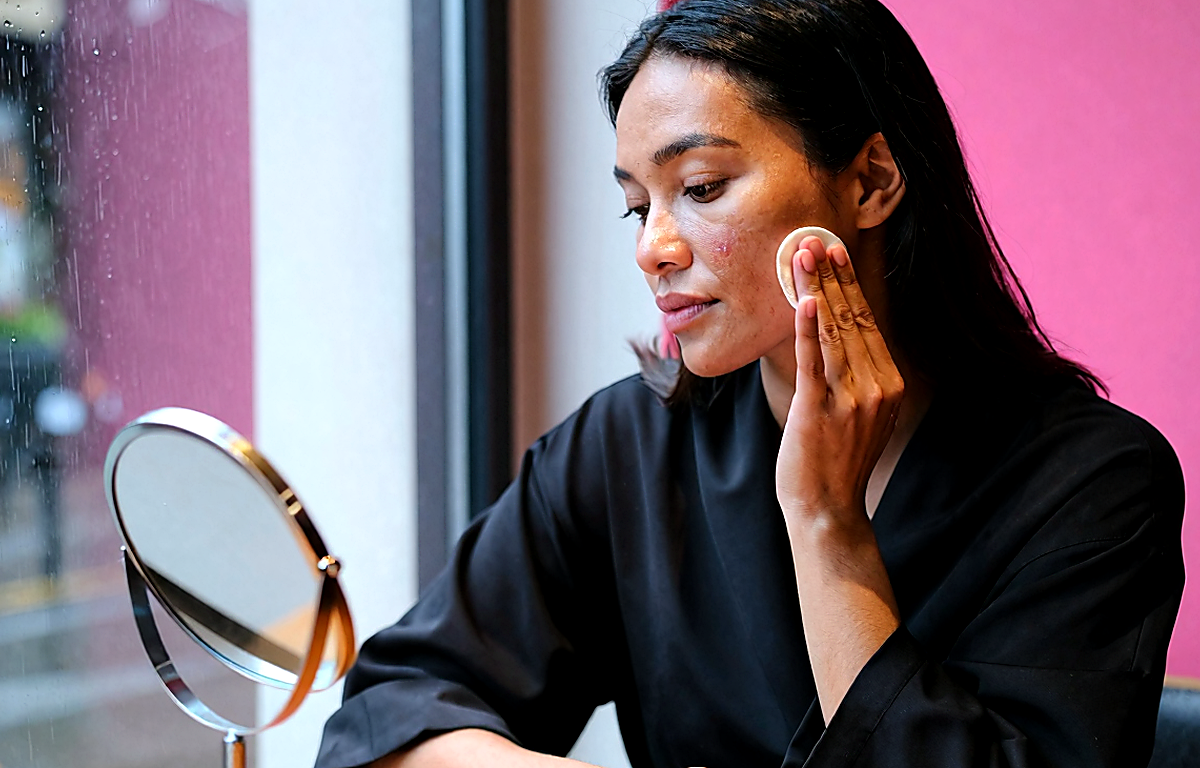
If your skin looks dull, the problem is far from always that the cream “isn’t working.” More often, it comes down to a combination of factors: not enough hydration, a compromised barrier, overly aggressive actives, inconsistent SPF use, an unsuitable texture, or simply expectations that are too high for a single product. When it comes to a The Ordinary cream, it is important to look not only at the brand and the promise of radiance, but at whether the specific formula addresses the actual cause of your dull complexion.
The main things to check right away are whether the cream contains enough hydrating and barrier-supporting components, whether it conflicts with the serums and acids in your routine, and whether it overloads the skin or, on the contrary, still leaves it dehydrated. A dull complexion is often linked not to the absence of a “glow” ingredient, but to micro-roughness, dehydration, low-grade inflammation, buildup of dead skin cells, and poor sun protection. That is why a proper evaluation of a cream is always broader than the question of whether it contains something for glow.
Why skin can look dull even if you use a good cream
Dullness is not a separate skin type, but an outward sign that your skin is lacking something or that something in your routine is getting in the way. Sometimes the face loses freshness because of simple lack of sleep and dry air, and sometimes because skincare is overloaded with too many actives and too little recovery.
In practice, several causes are the most common:
- Dehydration. Skin can be oily and still dehydrated. In that case, it looks tired and uneven and loses the smoothness that reflects light well.
- A weakened protective barrier. After acids, retinoids, frequent cleansing “until squeaky clean,” and harsh cleansers, the face can become matte, sensitive, and grayish.
- Buildup of dead skin cells. When skin renewal slows down, the surface becomes less even and reflects light less effectively.
- Insufficient sun protection. UV exposure gradually makes tone less even, increases dryness, and visually makes the skin look more tired.
- An unsuitable cream texture. A formula may be too light for dehydrated skin or too dense for skin that is prone to congestion and inflammation.
That is why even a good cream does not always produce the “well-rested skin” effect if the rest of the routine does not support it. The cream is just one part of the system, not a universal fix for every cause of dullness.
What to check in a The Ordinary cream first
The first step is to assess the formula not in general terms like “good” or “bad,” but in relation to your skin’s current condition. If the complexion is dull because of dehydration and irritation, you need one type of support. If the issue is rough texture and buildup, the focus will be different.
Pay attention to several points:
- Hydrating components. If your skin lacks water, ingredients that help retain moisture are important.
- Barrier-supporting ingredients. If your skin reacts easily, feels tight, or stings, recovery is more important than chasing quick radiance.
- Compatibility with actives. If you already use acids, retinoids, or potent serums, the cream should soften the routine rather than intensify irritation.
- Comfort after application. If the cream makes the skin feel tighter, hotter, heavier, or more reactive, that is an important sign.
If the product feels pleasant only in the first few minutes, but after a week your skin still looks tired and uneven, the issue may be that the formula does not match your needs rather than that the cream is “weak.”
How to understand whether the problem is dehydration rather than “lack of radiance”
Dehydrated skin often looks dull even when there is enough sebum and even when the cream seems nourishing enough. Typical signs include tightness after cleansing, a feeling that the skin “drinks up” products too quickly, temporary comfort after application followed by dryness again, and a visually tired surface without a healthy smooth glow.
In this situation, you should not focus only on products that promise brightness. It is more important to restore comfort, reduce transepidermal water loss, and build a routine in which the skin keeps moisture better throughout the day.
If the face is dull and at the same time sensitive, stinging, or flaky, strong exfoliation should not be increased right away. First, it makes sense to rule out dehydration and barrier disruption. Otherwise, you can worsen irritation and make the complexion look even duller.
Can acids, retinoids, or serums interfere with the cream?
Yes. Very often the cream is judged in isolation, even though the real issue is overload in the routine. If your skincare already includes acids, retinoids, vitamin C, and active serums, the skin may be under constant stress. In that case, even a good cream will not fully compensate for irritation if recovery is not enough.
Things to evaluate:
- whether there are too many irritating steps in one routine;
- whether actives are used too often;
- whether the cream is soothing enough after those active products;
- whether the skin has days in the week focused on recovery rather than stimulation.
If dullness is combined with sensitivity, redness, burning, or increased reactivity, it is important not to dismiss these as minor issues. That can be a sign that the barrier is compromised, and in that case the priority should be gentle care and recovery.
Why SPF matters even if the issue seems to be the cream
One of the most common reasons the skin still does not look fresh is inadequate sun protection. Even if the cream is suitable, regular UV exposure can maintain dryness, uneven tone, and a tired-looking complexion. In practice, this means that a cream alone may not deliver a visible result if daily SPF is inconsistent.
If your goal is a more even and fresher-looking complexion, SPF is not an optional extra. It is part of the basic support that helps maintain the effect of the rest of your skincare.
When the cream texture itself may be the issue
Sometimes dullness is made worse by the feel of the product on the skin. A texture that is too light may not provide enough comfort or protection for dehydrated skin. A texture that is too heavy may visually flatten the complexion, feel occlusive, or make the skin look tired if it does not suit you.
That is why it helps to evaluate not only the ingredient list on paper, but also how your skin behaves during the day: whether there is tightness, whether the face feels overloaded, whether makeup applies evenly, and whether the skin looks calmer or, on the contrary, more stressed after a week or two.
What to do before deciding that the cream is not right for you
Before ruling out the cream completely, it helps to go through a short checklist:
- make sure cleansing is not too aggressive;
- check whether you are overusing acids or retinoids;
- assess whether your skin is dehydrated;
- review how consistent your SPF use is;
- watch whether the cream gives comfort not only immediately, but over time.
This approach gives a more accurate picture than judging the product by the word “glow” in the description or by expectations of an instant brightening effect.
When it is worth being more cautious
If dullness is accompanied by persistent burning, marked redness, swelling, painful irritation, or a severe worsening of skin condition, it is important not to keep experimenting aggressively with actives. In that situation, skincare should be simplified, irritating steps should be reduced, and if symptoms are pronounced or do not improve, medical advice may be needed.
This is especially important if you are already using acids or retinoids and the skin is reacting more strongly than usual. Caution matters more than trying to force a quick visual result.
The bottom line
If you are concerned about dull skin, it makes sense to evaluate a The Ordinary cream as part of the whole routine rather than expecting it to solve everything on its own. The key questions are whether the formula truly supports hydration and the barrier, whether it works well with your actives, whether your cleansing and SPF are in order, and whether dehydration or irritation is masking the result. This is the approach that helps you understand whether the cream really is not suitable, or whether the skin simply needs a more balanced routine.