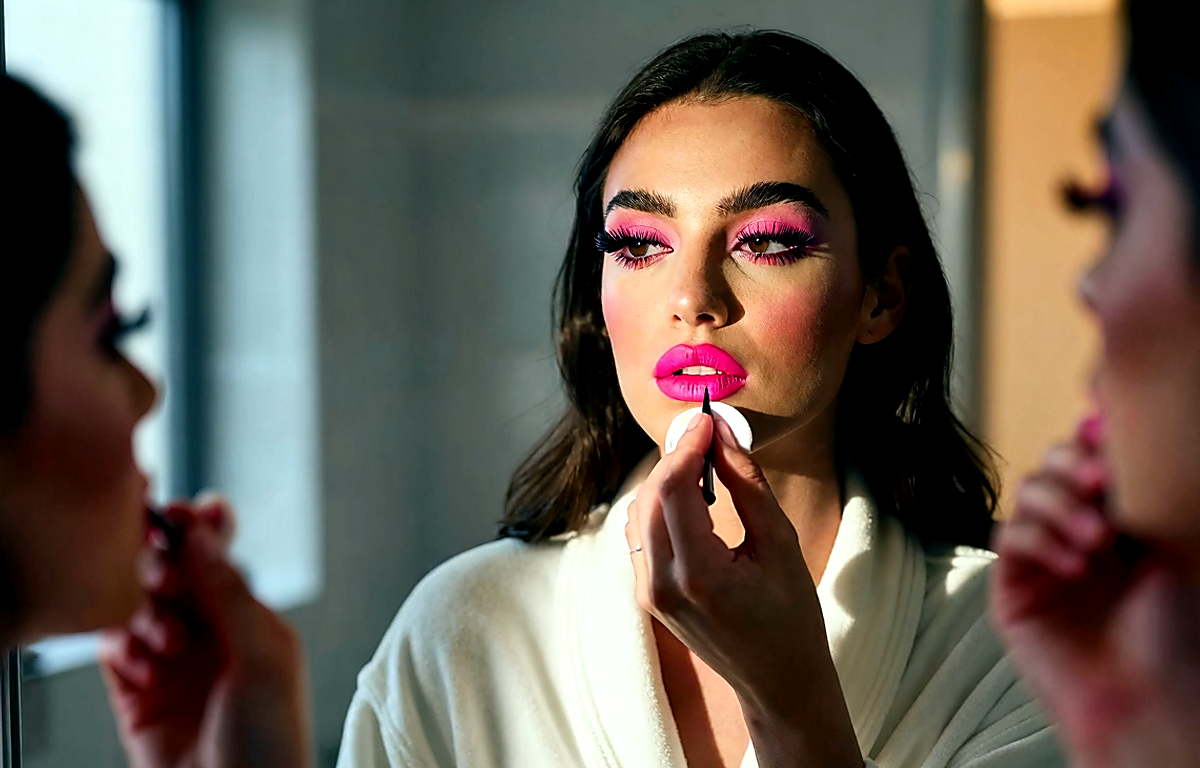
If NYX blush feels sticky, the issue is usually not one specific product but a combination of three factors: texture, skin prep, and layering technique. Tackiness often shows up when cream or liquid formulas are applied over skincare that has not fully set, on top of an overly rich SPF, onto a still-wet foundation, or simply in too large an amount. Instead of blending into a thin veil, the blush can remain noticeable on the skin, catch hair, transfer, and make makeup look less polished.
The good news is that this can usually be corrected without drastic measures. First, it helps to check the finish of your base, the time between layers, the tool you use for application, and how the product behaves on your own skin—dry, combination, or oily. For some blushes, a slight tactile “movement” in the first few minutes is normal, but it should not turn into obvious stickiness, pilling, or irritation. Below is a practical breakdown of how to tell what is causing the tacky feel and what to do so makeup looks fresh rather than heavy.
Why blush can feel sticky
The word “sticky” is used in makeup for different situations, and it is important to separate them. Sometimes it simply means normal creamy flexibility: you touch your cheek and notice the product is not completely dry, but it does not gather in patches or slide around. In other cases, stickiness is already a sign that the layers are conflicting with each other.
NYX blushes, like many mass-market makeup products, come in formulas with different finish profiles—from dry pressed powders to more emollient creams and glowier textures. That is why it makes more sense to assess the specific product type and how it behaves in your routine, rather than judging the brand as a whole.
- A cream or liquid texture naturally stays “alive” on the skin for longer.
- Too much skincare under makeup can prevent the blush from setting.
- An overly thick layer of SPF often increases the feeling of a film.
- A foundation with a dewy finish can make the tacky sensation more noticeable.
- Applying too much product at once makes even a good formula feel heavier.
- Heat, humidity, and active sebum can intensify the sticky feel during the day.
What to check first: the formula or the base
If the tackiness appears immediately after application, start with the simplest question: is it the product itself, or the surface underneath it? To understand this, it helps to test the blush in different conditions rather than drawing conclusions after a single attempt.
For example, if a blush feels sticky only over a dense sunscreen or a rich moisturizing base, the problem is more likely in the layering than in the blush formula itself. If it behaves the same way even on minimal prep, then the texture may simply not suit your preferences or skin type.
- Try the blush over a lighter daytime moisturizer.
- Let sunscreen set fully before moving on to makeup.
- Apply it on one cheek over foundation and on the other over bare skin or a very thin base.
- Compare the result with a brush, sponge, and fingertips.
This kind of check quickly shows where the main source of the stickiness is.
How skincare and SPF can affect the finish
One of the most common reasons blush feels tacky is that the base underneath remains too mobile. If skincare has not absorbed properly, the pigment mixes with that layer instead of gripping the skin or foundation evenly. The same often happens with SPF formulas that leave a pronounced glossy or slippery finish.
This does not mean you need to skip moisturizer or sun protection. The goal is simply to avoid excess and give each layer enough time. If the skin still feels wet or slippery to the touch, blush is more likely to drag, cling, and sit on top instead of diffusing naturally.
It is also worth remembering that some combinations are more difficult by nature: a rich cream, a dewy SPF, a luminous foundation, and a creamy blush can together create too much emollience. In that case, the makeup may not look bad at first, but it can become uncomfortable and less stable over time.
Application mistakes that make tackiness worse
Even a comfortable formula can start to feel sticky if it is applied too heavily or blended in the wrong order. With blush, more product does not mean a fresher result. A thick layer is slower to set, more likely to transfer, and harder to blend into the rest of the makeup.
- Applying blush before the base underneath has settled.
- Layering one dense coat instead of building in thin passes.
- Rubbing the product too aggressively and disturbing the lower layers.
- Adding more and more product to “fix” patchiness.
- Using tools that move the base too much instead of softly pressing and diffusing.
If you notice stickiness, try reducing the amount by half and applying it in very thin layers. In many cases, that alone changes the finish noticeably.
When a slightly tacky feel is normal—and when it is not
Not every non-powdery finish is a problem. Cream and liquid blushes often keep a more skin-like, flexible texture than matte powders, especially in the first minutes after application. If the product stays visually even, does not collect dust or hair, and does not transfer excessively, a slight residual emollient feel may simply be part of the formula.
Signs that the finish is no longer within the normal range include obvious clinginess, fingerprints on the cheeks after light contact, hair sticking to the face, patchy movement, or a sensation that the makeup is sitting on top of the skin in a heavy film. Irritation, burning, or increasing redness are separate warning signs and should not be ignored.
How to reduce stickiness without ruining the blush
The safest way to make blush feel more comfortable is to adjust the surrounding steps instead of immediately trying to dry it down aggressively. If you over-powder a creamy texture, the result can become dull, uneven, or muddy. It is better to balance the finish carefully.
- Use less product and build gradually.
- Let skincare, SPF, and foundation set before applying blush.
- Choose a brush for a thinner, more diffused layer if fingertips apply too much.
- Lightly set the edges or the most mobile areas rather than covering the whole cheek heavily.
- If needed, pair a cream blush with a very small amount of powder blush or translucent powder to soften tackiness.
If a product still feels uncomfortable no matter how carefully you apply it, the issue may simply be a mismatch between the texture and your skin preferences. In that case, a drier blush format may be more practical for everyday wear.
What to keep in mind for oily, combination, and dry skin
Skin type affects how any blush texture feels. On oily or combination skin, natural sebum can make emollient formulas feel even more mobile by midday. On dry skin, the same formula may initially feel comfortable but become sticky if it is layered over skincare that is too rich or slow to absorb.
The goal is not to copy someone else’s routine exactly, but to match the product to your own skin balance.
- Oily skin often benefits from thinner prep and more controlled layering.
- Combination skin may need different placement and setting depending on the area of the face.
- Dry skin usually looks best with comfort-focused textures, but without overloading the base.
If the skin is irritated, compromised, or reacting to active ingredients, it is better to avoid extra friction and too many layers of makeup. Discomfort should not be masked by forcing a product to work.
Bottom line
If NYX blush feels sticky, the most important thing to check is not just the formula itself, but the whole chain: skincare, SPF, base finish, amount of product, and application method. In many cases, tackiness appears because the layers are too rich, too fresh, or too thick—not because the blush is automatically unsuitable.
A slight creamy feel can be normal, but pronounced stickiness, transfer, pilling, or irritation are signs that something in the routine needs adjustment. The best approach is simple: use less product, let each layer set, and assess the blush in the context of your own skin rather than in isolation. That is what helps makeup look lighter, cleaner, and more comfortable throughout the day.