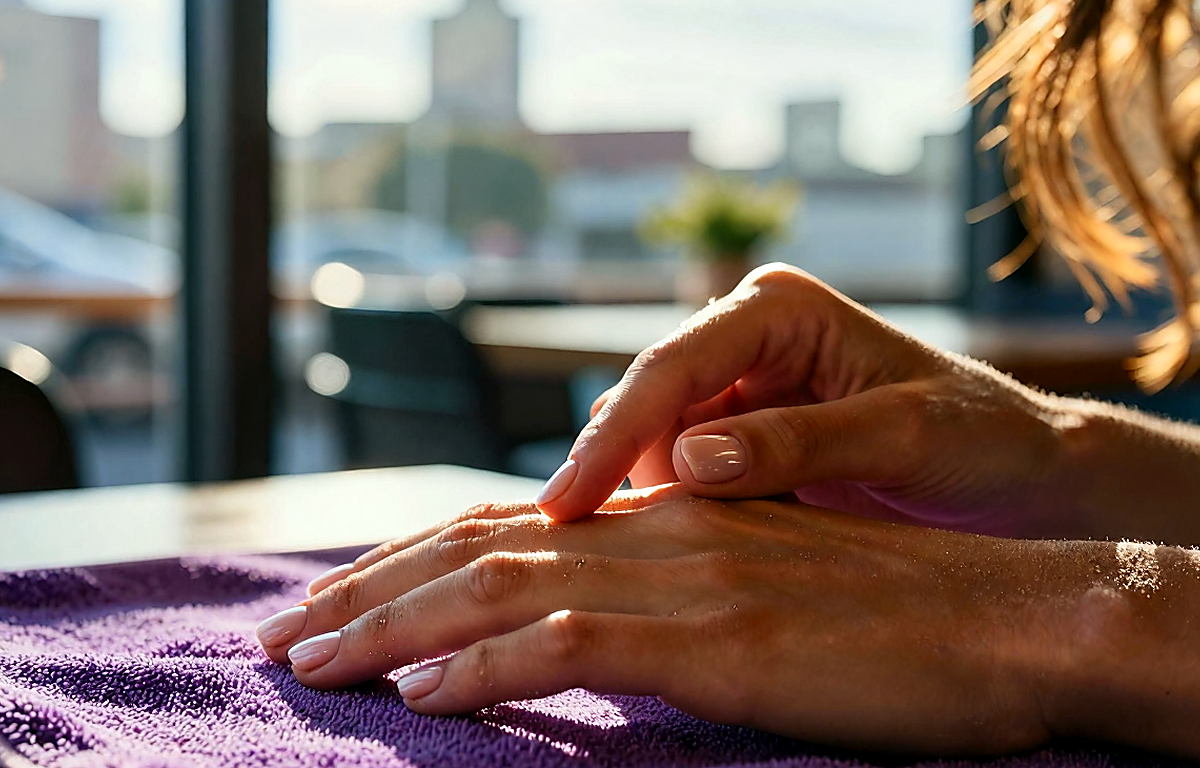
If hangnails keep bothering you, the problem is usually not one “bad” product but a combination of factors: dry skin around the nail, overly aggressive cuticle work, frequent contact with water and household cleaners, and sometimes an unsuitable strengthening treatment. If you are considering OPI or are already using a strengthening product from this brand, it makes sense to evaluate not only the promise of “strengthening” but also how the formula behaves on your nails and the skin around them. Hangnails usually get worse where the skin lacks lipids and protection, while your nail routine adds friction, degreasing, and micro-damage.
The good news is that in most cases the situation can be improved noticeably without complicated routines. It is important to check several things: whether the product is drying out the nail plate and skin, whether you are applying too many coats, whether you are using harsh removal methods, whether you are cutting the cuticle too deeply, and whether your routine includes nail oil or hand cream. A strengthening treatment can be useful as part of a manicure routine, but it should not replace basic care for the skin around the nail. If the product applies beautifully but is followed by tightness, flaking, and new hangnails, that is a sign to rethink the whole care routine, not just the shade or the brand.
Why hangnails often appear specifically when using “strengthening” products
The very word “strengthening” sounds reassuring, so it is easy to expect a product to solve every nail problem automatically. In practice, a strengthening treatment works primarily with the nail plate or decorative coating, while hangnails are linked first and foremost to the condition of the skin around the nail. If the cuticle and sidewalls are dry, even a quality product may not provide the comfort you want, especially if your routine already includes frequent degreasing, acetone removers, active buffing, or a habit of pushing the cuticle back too abruptly.
There is another common scenario as well: the nails really do seem harder, but the skin around them becomes drier and more vulnerable. This can happen if the routine is built around coating strength while daily protection of the cuticle is missing. In that case, the strengthening effect does not cancel out the tendency toward hangnails. The result is misleading: the manicure looks neat at first glance, but the skin around the nails quickly loses comfort and starts catching, peeling, and tearing.
What to check in the formula if you use OPI
The first step is to look not at the marketing promise but at how the product feels in wear. If after application you notice tightness, increased dryness, sensitivity around the cuticle, or a stronger urge to apply hand cream immediately, the formula may be too drying for your current condition. This does not always mean the product is objectively bad. It may simply mean that right now your nails and surrounding skin need a gentler routine and more barrier support.
It is also worth paying attention to the overall context: what cleanser you use before application, whether there is frequent contact with detergents during the day, and whether you wash your hands often without reapplying cream. Even a good strengthening product can perform poorly if the skin barrier is already compromised. In that case, the issue is not the bottle alone but the combination of drying steps before and after manicure.
How application technique can make hangnails worse
A strengthening treatment often seems harmless, so people sometimes apply it too generously or too often. But too many layers can make the coating less comfortable, and frequent reapplication combined with regular removal increases stress on both the nail plate and the surrounding skin. If hangnails have become more frequent, check whether you are layering the product more than recommended or refreshing it without giving the nails and cuticle a calmer interval.
Cuticle prep matters just as much. If you push it back aggressively, trim too deeply, or buff the surface intensely before applying the product, the skin around the nail becomes more prone to micro-injuries. In that situation, almost any strengthening treatment can seem like the culprit, when in fact the trigger is traumatic prep. The neater the pre-application work looks, the easier it is to overlook the fact that the skin has already been injured.
Removal is often more important than the strengthening step itself
If you use a strengthening product regularly, evaluate how you remove it. Harsh rubbing, frequent use of acetone-based removers, scraping residue off, or trying to speed up the process mechanically can all worsen dryness and increase hangnails. Sometimes people blame the strengthening treatment, although the main damage occurs during removal, when the nail and skin lose even more moisture and protection.
A gentler removal routine usually makes a bigger difference than switching brands immediately. If each removal session is followed by dryness, burning, rough sidewalls, or a visibly dehydrated cuticle, this is a clear sign that the current method is too aggressive. In that case, it is better to reduce friction, avoid picking, and restore comfort after removal instead of repeatedly testing new products in the same stressful routine.
Why cuticle care cannot be replaced by a nail strengthener
Even if a product helps the nails look denser and more even, it does not replace oil, cream, and everyday protection for the skin around them. Hangnails are closely tied to dryness and loss of elasticity, so the cuticle needs regular softening and barrier support. If you rely only on the strengthening treatment and ignore the surrounding skin, the manicure may look polished while discomfort continues to build.
Simple habits matter most here: applying cuticle oil, using hand cream after washing, wearing gloves for cleaning, and avoiding the habit of pulling at rough skin. These basic steps do not conflict with a strengthening product and often determine whether it feels comfortable in real life. The better the skin barrier is supported, the lower the chance that any manicure step will end in new hangnails.
When it makes sense to pause and reassess the routine
If hangnails are becoming more frequent, the skin is stinging, cracks appear, or the area around the nails looks inflamed, it is worth pausing and simplifying the routine. At that point, it is more useful to restore the skin barrier than to keep testing new coats, removers, or strengthening formulas. Persistent pain, swelling, or signs of infection are not situations to mask with manicure products and may require medical advice.
If there is no acute inflammation, start by reviewing the full chain: prep, product, number of coats, removal, and daily care. This approach helps identify the real trigger more accurately than blaming one bottle. OPI or any other strengthening treatment can be part of a comfortable routine, but only if the surrounding skin is not being pushed into chronic dryness and repeated micro-damage.
The bottom line
If hangnails keep returning, it is worth checking not only the strengthening product itself but also the formula’s feel on your nails, the way you apply it, the way you remove it, and the condition of the cuticle in everyday life. A strengthening treatment can support the manicure, but it should not come at the expense of comfort around the nails. The goal is not just a harder-looking nail plate, but a routine in which the nails and surrounding skin both stay in balance.