It is 7:40 a.m., you have ten minutes before a video stand-up, and your T-zone is already leaning shiny by lunch lately. That is usually when people reach for a niacinamide serum and expect instant balance by day three. The product is rarely the problem; the launch strategy is. If your base routine already works reasonably well, the fastest way to get clear results is to introduce one variable and watch it long enough to learn from your own skin.
Mistake 1: changing half your routine on the same week
The most common scenario is easy to recognize: new cleanser, different SPF, and a niacinamide serum all enter the bathroom shelf in one go. A week later, you cannot tell what reduced midday shine, what caused little bumps, or what simply irritated your barrier. If you are asking how to start a niacinamide serum without confusion, freeze the rest of your routine for ten to fourteen days. Keep your cleanser, moisturizer, and sunscreen stable while the new serum is the only active change.
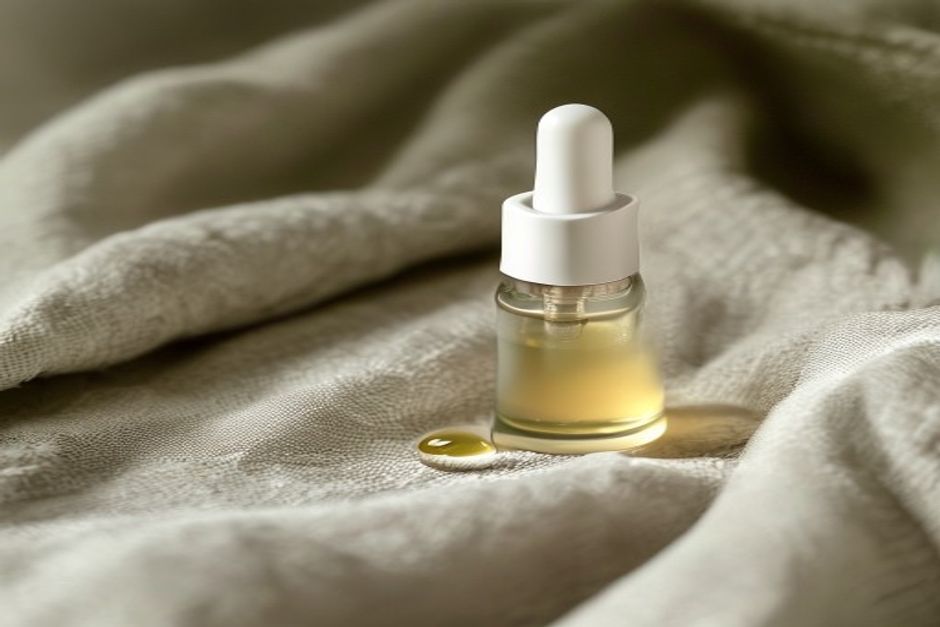
This is not about being overly cautious; it is about getting usable data. In real life, consistency beats complexity. One clear step repeated daily before work gives better feedback than a perfect five-step plan done twice a week. Think of this phase as calibration: texture, comfort, and oil control matter more than chasing dramatic short-term claims.
Mistake 2: judging only shine and ignoring comfort signals
People often evaluate a niacinamide serum for oily skin only by mirror shine at 2 p.m. That is useful, but incomplete. Skin can look less glossy while feeling tight, flaky around the nose, or reactive after cleansing. Those are early signs your routine is imbalanced, even if photos seem improved. When testing a niacinamide serum for oily skin, track at least three markers: daytime oil breakthrough, post-cleansing comfort, and how makeup sits on textured zones.
A practical trick: jot quick notes for seven days in your phone. If oil improves but irritation climbs, adjust frequency before changing products. Many experienced readers do better with four to five uses per week at first, then daily only if skin stays calm. This slower ramp often delivers cleaner pores and steadier texture without the rebound greasiness that follows over-correction.
Mistake 3: layering in the wrong order and too fast
Another routine fail is placement: serum after a heavy cream, or mixed with too many potent actives from day one. If you wonder when to apply niacinamide serum, the simplest sequence is cleanse, niacinamide serum, moisturizer, and daytime SPF. At night, keep the same logic and avoid stacking everything at once. A crowded active lineup can blur results and increase irritation, especially when your schedule is already stressful.
Use amount and rhythm that fit your life, not an idealized social feed routine. Two to three drops on slightly damp skin are usually enough for face-wide coverage. Give each layer a brief moment to settle, then move on. When the order is clear and repeatable, skin typically responds with better balance rather than the stop-start cycle of overloading and repairing.
A calmer two-week plan that actually shows what works
For a realistic reset, keep your baseline products unchanged for two weeks and insert one niacinamide serum step once daily, preferably in the morning when you can observe wear through the day. Avoid adding new exfoliants, masks, or treatment toners during this window. This is the easiest way to compare like with like and decide whether the formula supports your skin goals.
By day ten to fourteen, you should be able to answer three concrete questions: is oil control better by afternoon, does skin feel comfortable after cleansing, and does complexion look smoother under natural light? If the answers are mostly yes, keep going. If not, tweak frequency first, then texture. Calm iteration beats panic shopping every time.
This article is editorial and informational. Skin chemistry, climate, and individual sensitivity affect results; when possible, try a product before committing.