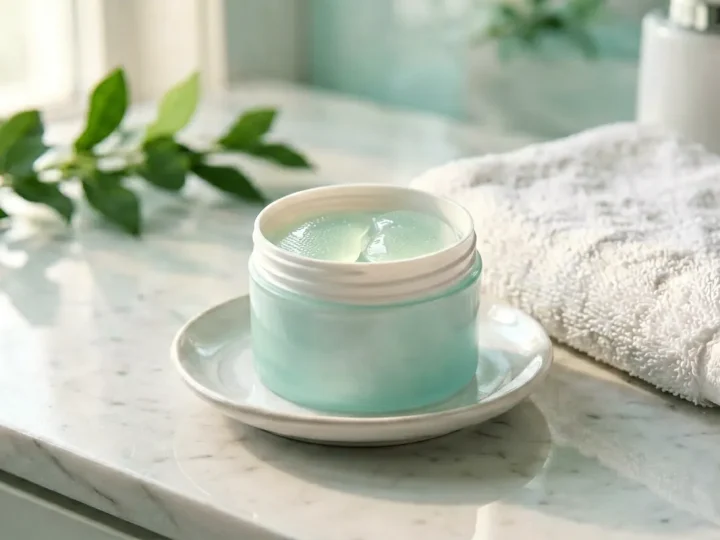
It is 8:10 a.m., your calendar is full, and your cheeks already look warmer than you want before your first call. In that moment, a moisturizing cream for sensitive skin is not about chasing a miracle; it is about making your day feel manageable from morning SPF to nighttime cleanse. If you already know your triggers, the smartest move is usually a calm, repeatable routine that protects comfort without piling on extra steps.
What this category does in real life
A good cream in this category acts like a buffer: it helps reduce the friction your skin experiences across weather shifts, indoor heating, commute stress, and long screen hours. That is why experienced readers often stop asking for “the strongest” formula and start asking for consistency. A moisturizing cream for sensitive skin should feel stable on application, sit well under sunscreen, and avoid that tight sensation that can appear by lunchtime. Dermatology-facing editorial coverage also highlights a simple point: barrier support and routine discipline usually matter more than dramatic claims.
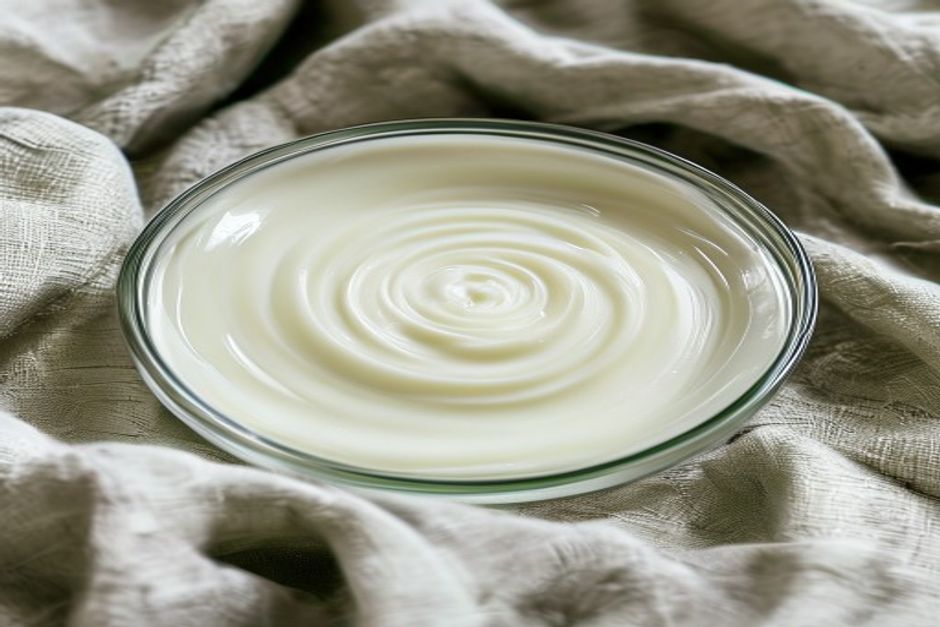
If you are comparing textures and wondering how to choose a moisturizing cream for sensitive skin, judge performance at the end of the day, not only right after application. Skin that stays flexible by evening is often a better indicator than an instant dewy finish. Give each option a fair window of two to three weeks, because frequent switching can blur the signal and make irritation patterns harder to read.
Budget, mid-range, and comfort-first: where to spend
In the budget tier, the priority is straightforward: one dependable base you can use twice a day without overthinking. This is often enough if your routine is otherwise simple and your skin responds best to fewer variables. In practical terms, entry-level formulas can perform very well when your cleanse is gentle and your sunscreen layer is compatible.
Mid-range options usually improve sensorial control: lighter daytime glide, richer evening cushion, and packaging that makes dosage easier. If your skin is reactive in patches, this middle segment is often where you find the best balance between feel and predictability. Readers searching for best moisturizing cream for sensitive skin and redness are often not asking for intensity; they are asking for fewer bad-skin surprises across workdays, workouts, and travel.
Comfort-first or premium picks can make sense when texture tolerance is your bottleneck and every small sting makes you abandon products quickly. Paying more is rarely the point by itself; the point is sustained usability. A formula you can apply every day without hesitation tends to outperform a “stronger” product you avoid half the week.
Who benefits most—and who should slow down
This approach fits readers who already tested active-heavy routines and now want a calmer baseline. It is especially useful if you need a product that works before makeup, after a post-workout shower, and during a three-day work trip with minimal packing decisions. In each scenario, the role of a moisturizing cream for sensitive skin is to reduce routine volatility, not to replace every targeted treatment you own.
If your skin is in an acute flare, slow introduction matters more than product excitement. Start with small amounts, keep the rest of your routine stable, and avoid launching multiple new items at once. Many people searching moisturizing cream for sensitive skin morning and night routine improve outcomes simply by making one variable predictable and tracking comfort over several evenings rather than chasing overnight change.
A practical two-week test you can trust
Week one: apply a thin layer in the morning under SPF and a slightly fuller layer at night after cleansing. Keep actives steady and avoid adding new exfoliants. Notice redness rhythm, tightness by mid-afternoon, and how makeup sits over the cream. Week two: keep the same schedule, then assess how often your skin felt calm versus reactive. This gives you a clearer read than one good day.
If you are looking for a gentle moisturizing cream for sensitive skin in daily routine, this method helps you separate marketing language from lived performance. The right formula is the one that remains boring in the best way: no drama before meetings, no stinging after cleansing, and no guessing game each time the weather changes.
This article is editorial and informational. Skin chemistry, climate, and individual sensitivity affect results; when possible, try a product before committing.