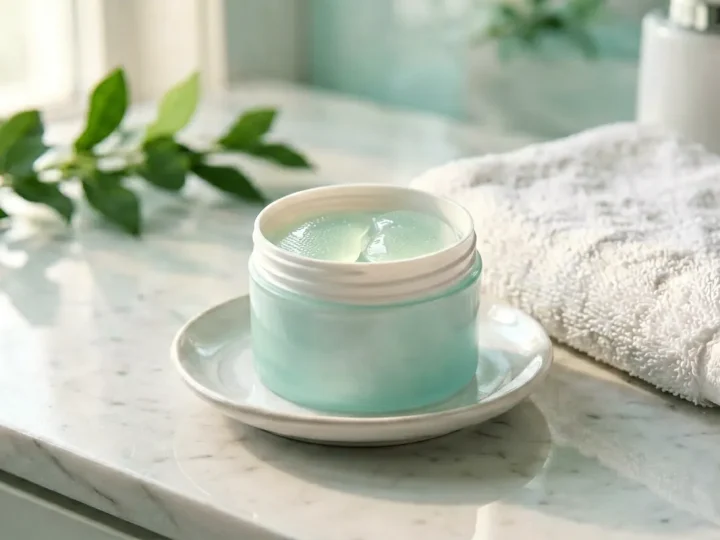
You wash your face before work, look in the mirror, and your cheeks are already warm and pink before makeup even starts. That is usually the moment people begin over-correcting with too many actives at once. A thoughtful sensitive skin cream for redness works differently: it is less about overnight drama and more about building daily stability your skin can tolerate. If your routine has felt chaotic, this category can become the one predictable step that keeps mornings and evenings calmer.
What this category is meant to do
A sensitive skin cream is not a rescue filter for every flare in one night. Its real job is to reduce everyday discomfort: that tight feeling after cleansing, heat around the nose and cheeks, and the reactive look that appears after weather changes or long office days. In practical terms, you want texture that spreads evenly, sits well under SPF, and does not leave your face feeling coated by noon.
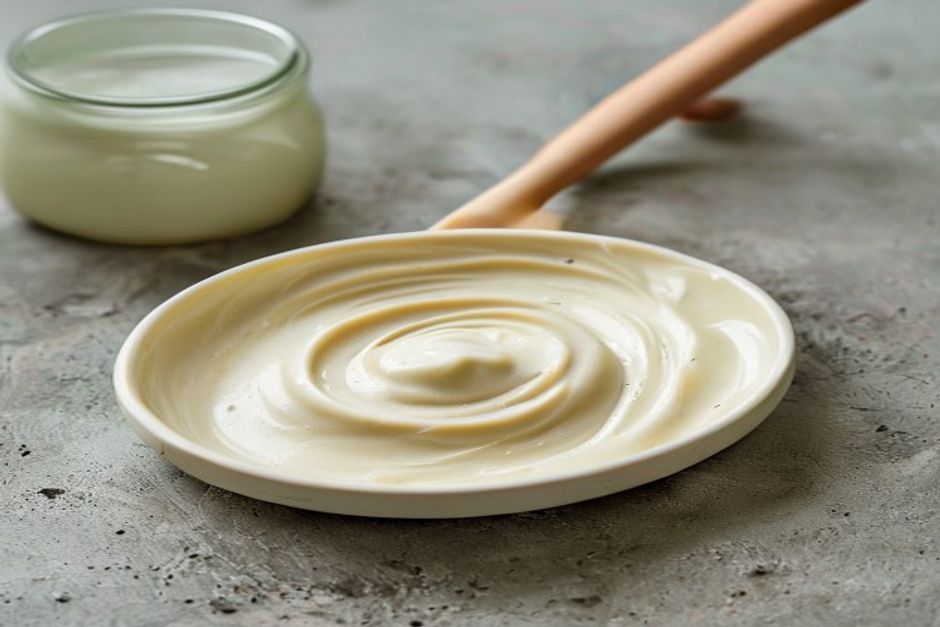
If you are searching for how to choose a sensitive skin cream for redness, start with compatibility, not claims. The right formula should fit your schedule: quick application before a pre-meeting commute, comfortable wear under indoor air conditioning, and an easy repeat at night after gentle cleansing. Reliability matters more than trend language.
Who it usually suits and how to test it
This format often works for people who want one dependable product rather than a shelf full of experiments. If your skin reacts to wind, hard water, or rushed cleansing, a calm base cream can make the rest of your routine easier to read. The best test is boring on purpose: use the same amount morning and night for several days, keep other steps stable, and watch how your skin behaves by late afternoon.
Many readers ask for a daily sensitive skin cream for redness relief that feels light enough for weekday makeup but still comforting at night. In that case, track two moments: first, one hour after application; second, the end of the day after screen time and climate shifts. If redness spikes less often and post-cleanse tightness softens, you are likely on the right track.
Common mistakes that keep redness in a loop
The biggest mistake is switching products too fast. Skin that is already reactive rarely gives clear feedback after one use, so constant swapping creates noise and makes every formula look guilty. Another issue is layering multiple strong actives around a new cream in the same week; then you cannot tell what is helping and what is triggering heat.
If you are trying to find a best starter sensitive skin cream for reactive cheeks, keep the experiment simple. Apply on slightly damp skin, use a moderate amount, and avoid aggressive rubbing. At night, remove makeup gently and reapply without friction. Small technique changes can improve comfort as much as the formula itself, especially during seasonal transitions.
How to build a no-drama routine around it
Morning: cleanse lightly, apply your sensitive skin cream, then SPF once the texture settles. Evening: gentle cleanse, same cream, and stop there unless your skin is fully stable. On a three-day work trip, this minimal structure is easier to maintain than a complex lineup, which is exactly why it works for beginners and for anyone rebuilding barrier comfort.
Across budget, mid-range, and premium tiers, what changes most is texture elegance and finish, not the basic logic of calming support. A good sensitive skin cream should feel consistent on ordinary days, not just on ideal ones. If your face feels less reactive after water contact and less hot by evening, that is meaningful progress worth keeping.
This article is editorial and informational. Skin chemistry, climate, and individual sensitivity affect results; when possible, try a product before committing.