You put mascara on at 8 a.m., leave for work, and by lunch you are already checking the mirror for smudges. The issue is not always your technique. Most of the time, it is a mismatch between formula, brush style, and how your day actually unfolds. A mascara that looks dramatic for ten minutes can still fail in a normal office schedule.
If you want a tube that earns a permanent spot in your bag, test it like you would test any practical staple: in daylight, after movement, and with your usual remover at night. That is how you find whether an option is true entry-level value, a dependable mid-range pick, or a premium splurge worth repeating.
Start with brush behavior, not marketing promises
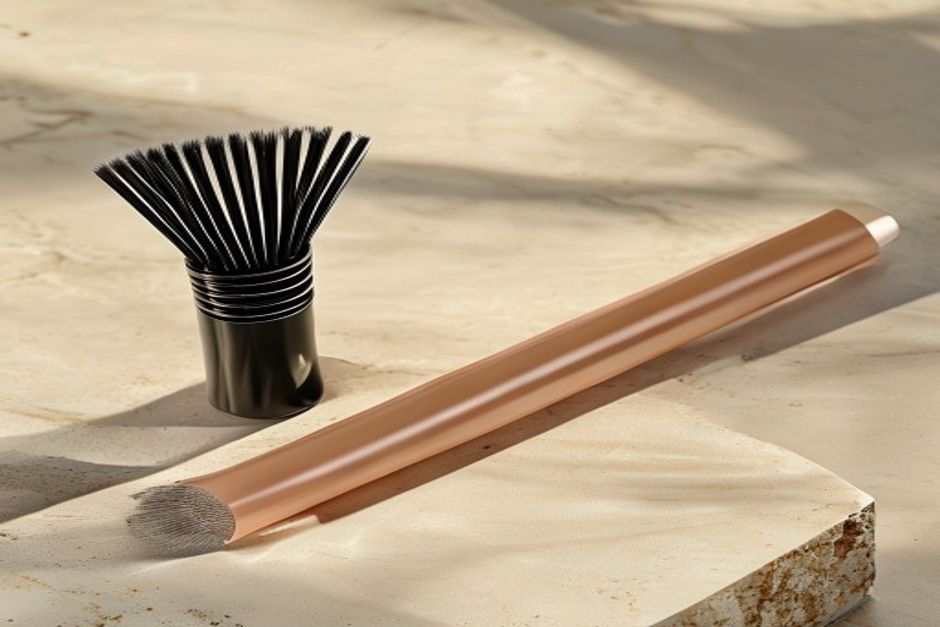
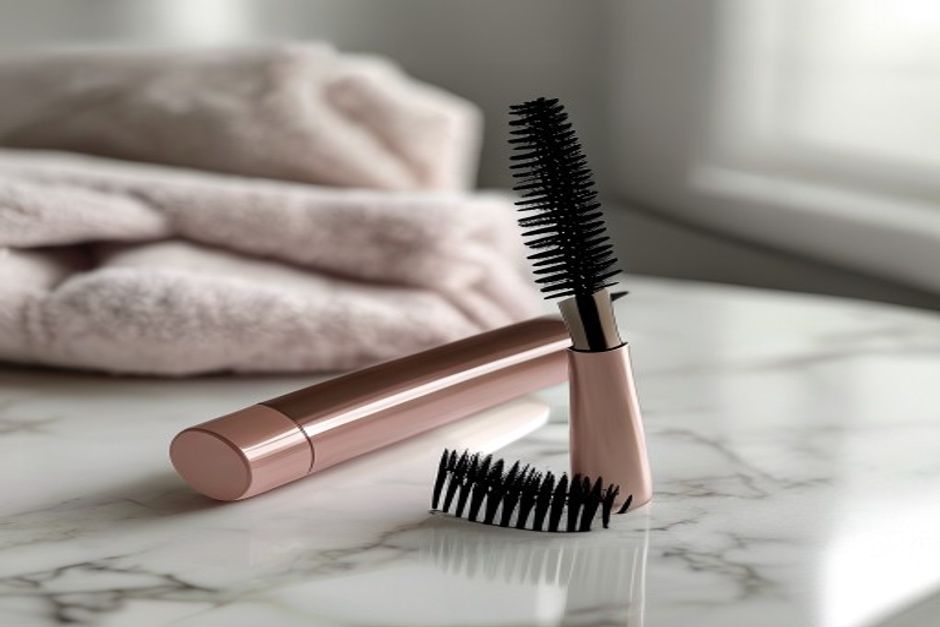
When people search for how to choose everyday mascara, they usually focus on words like volume or length. In reality, the brush tells you more than the label. A tighter brush pattern often gives better control near the lash roots, while a denser spiral can build faster but may overload short lashes. For most routines, the goal is a mascara for clean lash separation that looks polished without turning spiky.
Do a quick two-coat test and stop. If lashes already clump at that point, the formula may demand too much cleanup in the morning. Good everyday mascara should let you define outer corners without patching the whole eye area afterward. Think less about maximum drama, more about consistent, low-effort results from Monday to Friday.
Check wear time in your real schedule
A morning test is not enough. Wear it through coffee, commute, screen time, and normal facial movement. If you are specifically hunting for mascara that does not smudge midday, check the upper lid and under-eye area before you touch up anything. A tiny transfer can be manageable; repeated flaking means the formula is fighting your skin oils or your eye shape.
Also notice comfort. Some mascaras hold curl but feel stiff by noon, which can make lashes brittle over time if you rub your eyes. The best daily option stays flexible, keeps definition, and does not leave a shadow by lunchtime. In a work-trip scenario or a long office day, comfort plus clean wear usually matters more than dramatic first-impression volume.
Common mistakes that make good mascara look bad
The first mistake is pumping the wand, which pushes in air and dries the formula faster. The second is layering too many coats while the first one is already setting; that creates a rough texture and uneven tips. Another frequent problem is using the wrong remover strength. If removal takes aggressive rubbing, even a decent mascara can feel like a poor fit.
Application order matters too. If your base makeup is still tacky around the eyes, pigment transfers more easily. Let complexion products settle, then go in with mascara. This small timing shift often improves wear and makes lashes look cleaner. It is especially helpful when you want separation and lift without looking overly made up.
How to decide if it deserves a repurchase
Before you repurchase, score the product on three practical points: brush control, midday cleanliness, and removal comfort. If it performs on all three, it is a routine staple. If one area consistently fails, no amount of hype will make it efficient for daily use. Reliable beauty products are usually the ones that behave predictably, not the ones that look most dramatic in the first five minutes.
A dependable mascara should support your routine, not add extra correction steps. When lashes stay separated, the line of the eye looks neat, and cleanup is quick at night, you have found the right balance. That balance is what turns a basic tube into a repeat buy you trust on busy mornings.
This article is editorial and informational. Skin chemistry, climate, and individual sensitivity affect results; when possible, try a product before committing.