A warm bronzer earns its place when your face looks flat or a little tired, not when you want a sharp contour. Its job is simpler: bring back a live, rested tone fast, the way skin looks after a short walk, without turning the cheeks orange or glittery. That is why the wrong pick is rarely about price alone. More often, the issue is a shade that runs too rusty, a finish that flashes too much in daylight, or a texture that lands heavier than the rest of your makeup.
If you are shopping in this category, it helps to separate a bronzer for a natural glow from sculpting products right away. For everyday freshness, softer golden-beige or honey-leaning tones usually read as warmth instead of a new face shape. Three practical things matter most: whether the color stays clean in one layer, whether it fights your blush, and whether you can fix it quickly without a long blending session. In real life, undertone, finish, and the way a bronzer behaves in ordinary daylight tell you more than a dramatic swatch ever will.
Before the office: the ten-minute version
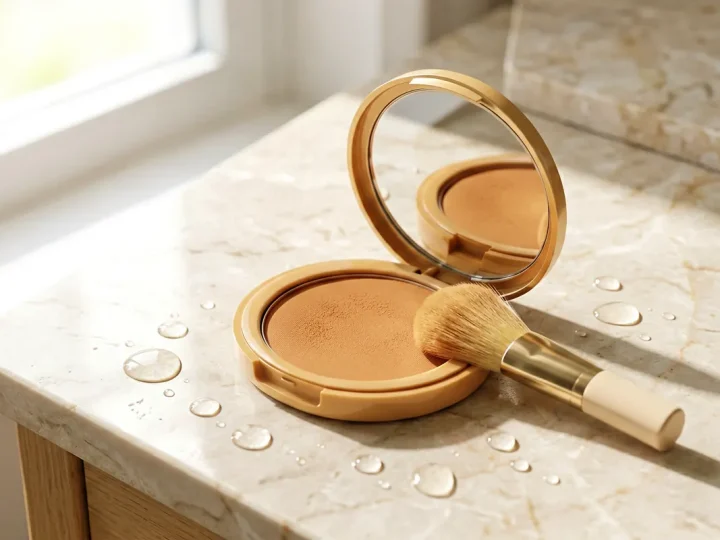
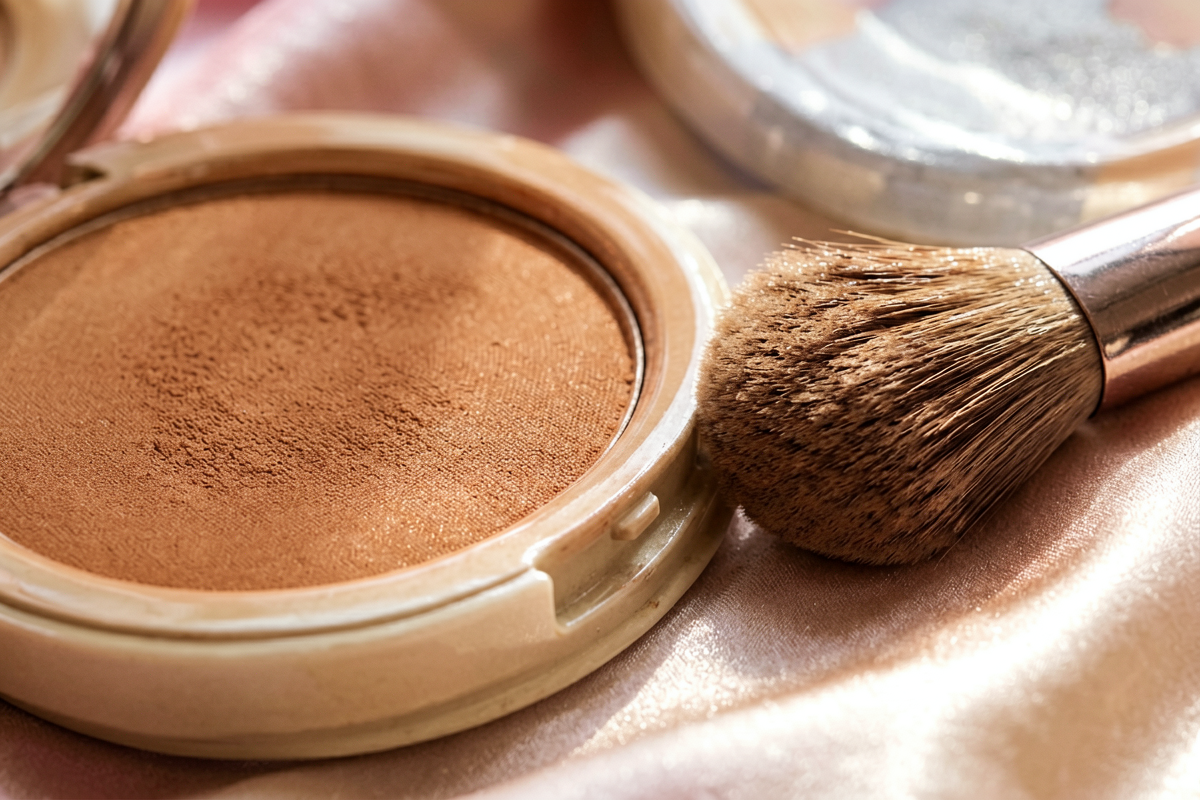
In the morning, dry compact textures with a near-matte or satin finish are usually the easiest win. They give that small signal of energy when you need to get your face together in ten minutes and avoid a bright patch on the cheek. In this rhythm, a warm bronzer for everyday makeup works best with a fluffy brush over the upper cheek, a little at the temples, and only a trace near the hairline. The warmth stays diffused, and it does not fight with window light on the way out.
A very normal scenario explains the appeal. You have light base, mascara, lip balm, and a face that looks a little paler after an early start. What helps here is a formula that builds gradually instead of depositing a dense stripe on the first touch. For this reason, a compact bronzer for workday makeup is often calmer than a flashy formula that looks exciting on a product page. If you are comparing options online, filter first for soft warm shades and a low-shine finish, then worry about packaging.
Midday at your desk or before a meeting
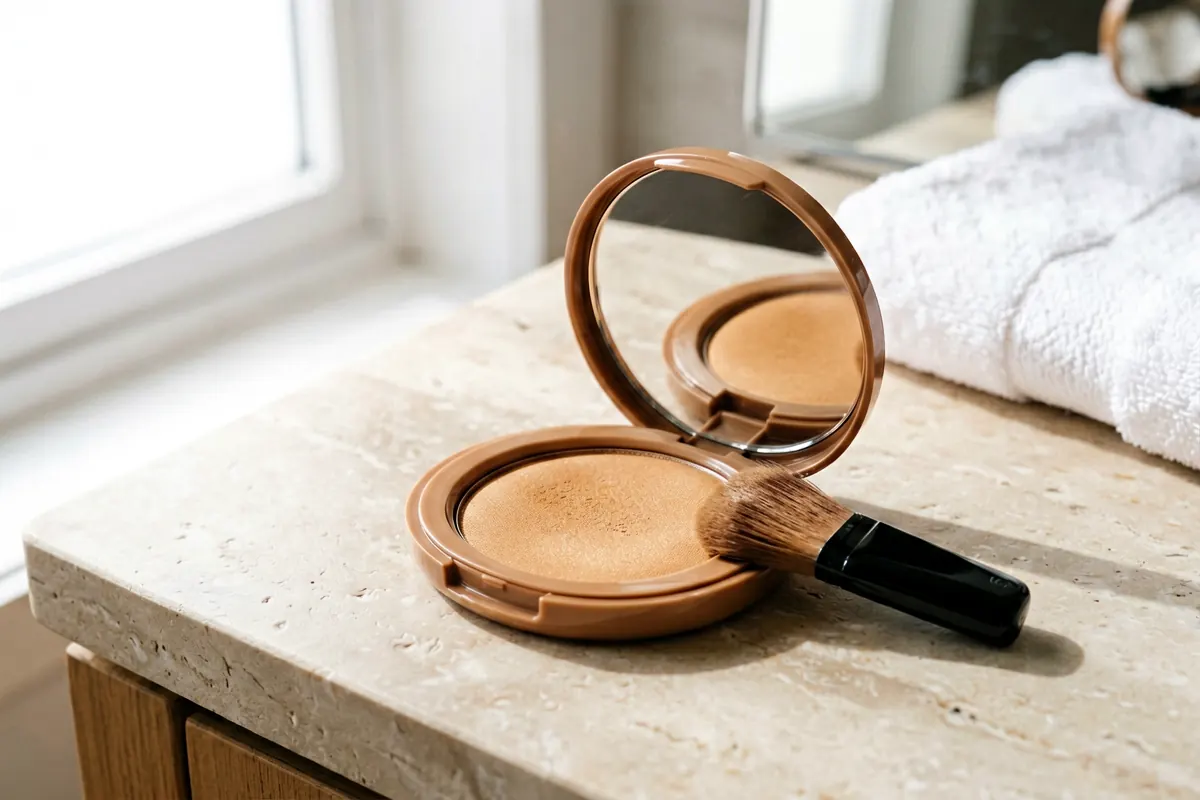
By midday, makeup has already settled into real life. Base goes a touch softer, blush fades back, and the T-zone may start to shine. This is where products that layer cleanly over powder tend to win. If you keep a small brush or sponge with you, the most practical format is usually a compact or a well-closing stick with a sheer texture. It lets you bring warmth back to the face without rebuilding the whole look from scratch.
This is also the moment when you notice whether a warm bronzer for office makeup is actually right for you. A good one does not turn into an orange patch under overhead light and does not glow harder than the skin around it. If it only looks flattering in dim mirror light or starts reflecting more than the rest of the face, it is probably better suited to an evening look than to the kind of everyday freshness most people want from this category.
Travel days and the small makeup bag test
On the go, the details that matter are a secure lid, a compact size, and a shade you already understand. If your makeup bag gets tossed into a tote, small compacts and easy sticks usually survive with the least drama. For a short trip, the useful product is not the most impressive thing on the shelf. It is the one you can apply at a café mirror, in a station bathroom, or by a hotel window without creating a hard edge.
There is a simple test here: if you can apply it in a hurry in two passes and it still looks soft, the format is doing its job. If you always need to work the edges for several minutes, check the light from two sides, or reach for a very specific brush, it is not helping your routine. For travel, a medium warm tone usually works harder than something extremely orange or heavily luminous.
What often turns out to be extra
Two purchases tend to miss the point. The first is a very deep bronzer bought in the hope that it will look more striking or last longer. In practice, you end up sheering it out to almost nothing, and it does not add freshness. The second is a sparkly formula bought when what you really wanted was a healthy tone for weekday wear. It may look lovely at night, but in morning office light it can feel heavier than the rest of the face.
Another common habit is buying two near-duplicate shades at once, one in a compact and one in a stick. It is usually more practical to choose one clear option and test it in the three moments that matter most: before work, in the middle of the day, and on a trip. If the color still looks soft in all three, you do not need a second version. The best warm bronzer is not the loudest swatch. It is the one that adds life to the skin without extra fuss.
This article is editorial and informational. Skin tone, lighting, and application tools can change the result, so it helps to test a bronzer in ordinary daylight before committing.