You usually notice the need for bronzer on the kind of morning when your makeup is technically done but your face still looks a little flat. Maybe it is after a bad night, maybe it is office lighting, maybe it is the comedown after a long train ride. A warm bronzer helps most in exactly that moment: not as sculpting theater, but as a quiet way to bring back softness and a bit of life.
The trick for beginners is to stop chasing the darkest swatch on the back of your hand. What reads polished in real daylight is usually a sheer, easy layer that blends into the perimeter of the face rather than sitting on top of it. If you have ever worried about a bronzer turning too orange, too red, or too heavy by noon, the answer is often better tone and placement, not more product.
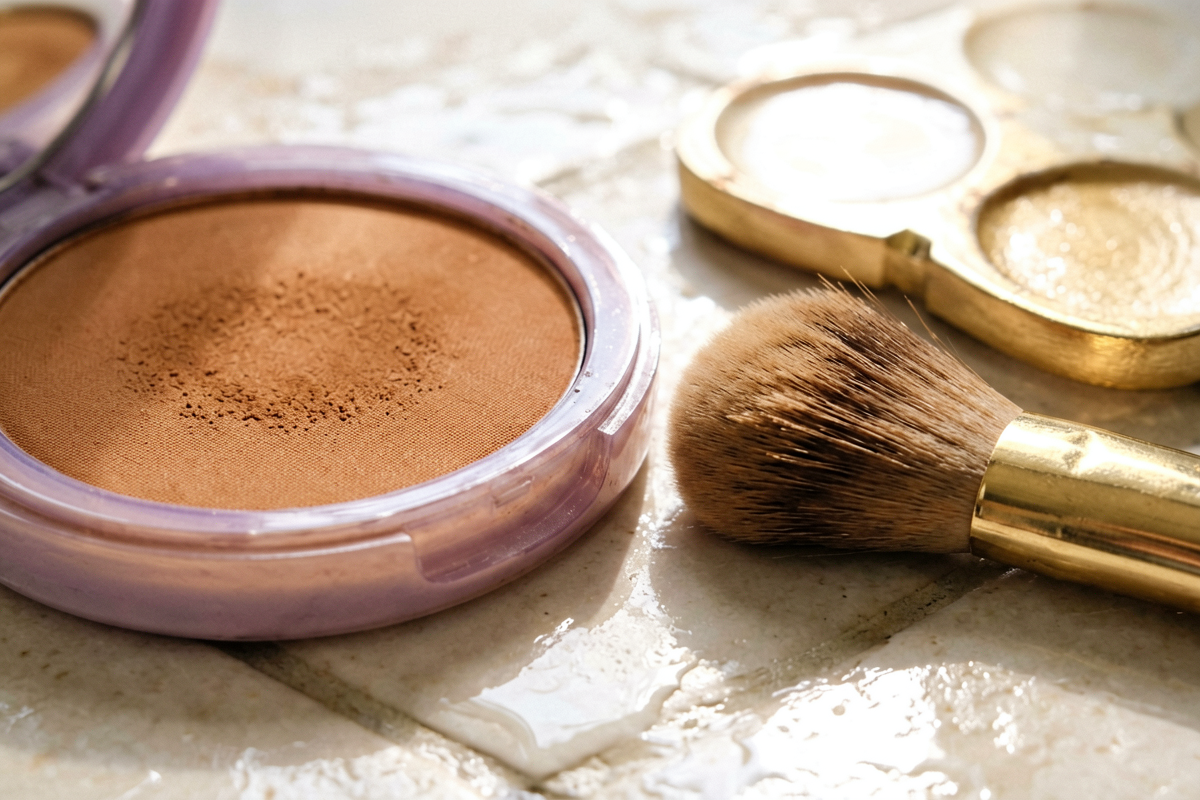
Start with tone, not depth
The easiest first filter is undertone. A good warm bronzer should warm the skin, not repaint it. On fair and light-medium complexions, softer honey, beige-gold, and sandy shades usually read more believable than anything aggressively terracotta. Medium skin tones can often handle caramel or amber warmth, but the finish still needs restraint. If you are searching for a warm bronzer for fair skin, the safest move is usually a lighter, buildable powder that lets you work in thin layers instead of committing all at once.
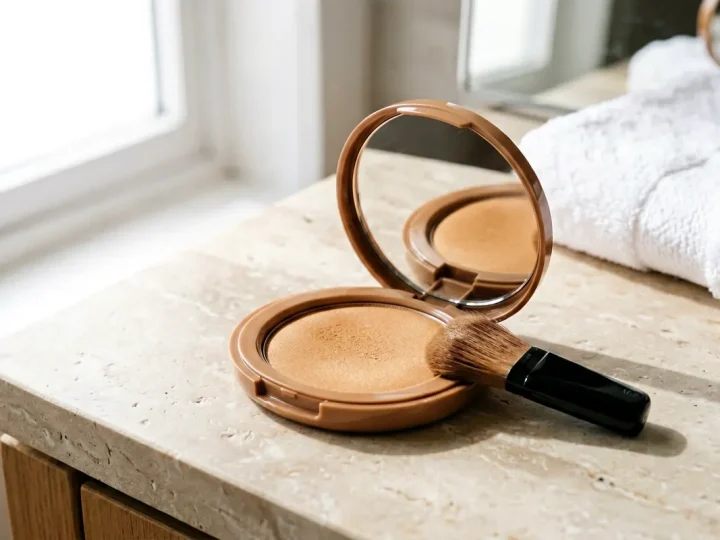
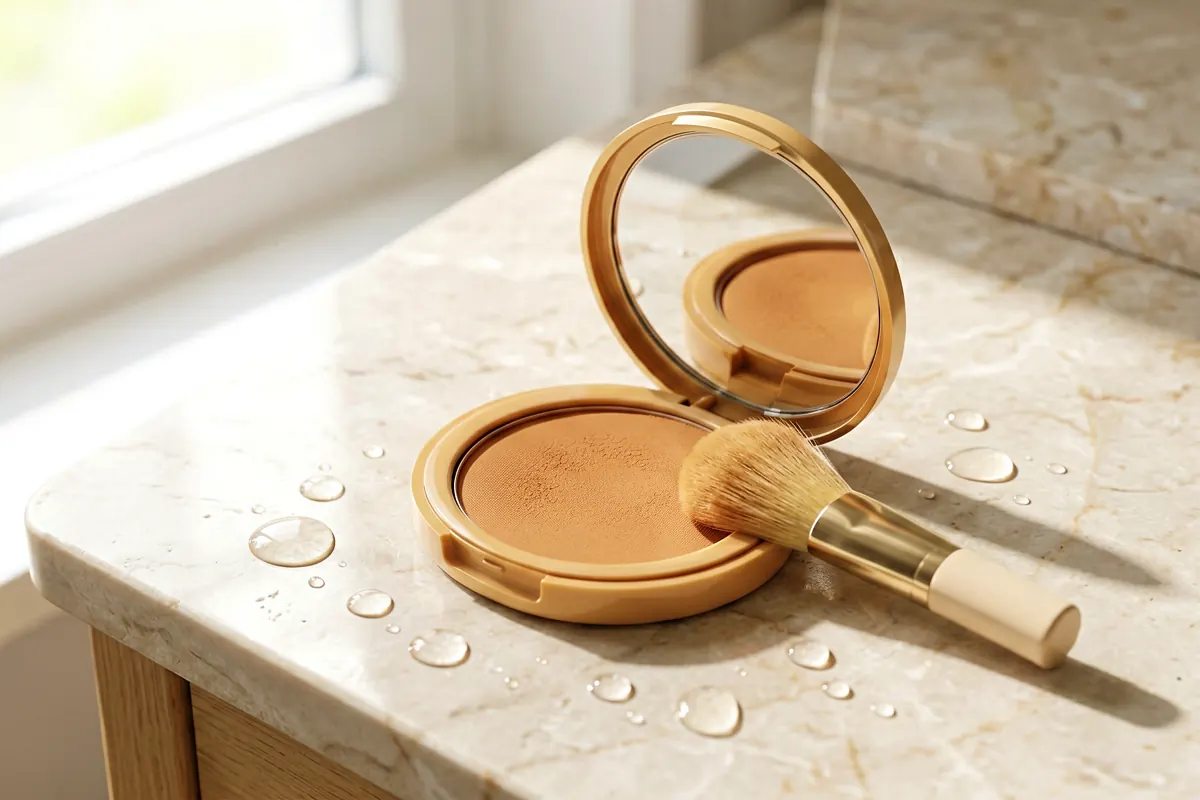
Texture matters just as much as colour. Compact powders are often the most forgiving because they let you control pickup and see the edge as you blend. Dense sticks can be gorgeous, but they ask for faster hands and more confidence. For a first purchase, the product that gives you room to hesitate is usually the product that will look better in real life.
Where warmth actually helps
Bronzer earns its keep at the outer parts of the face: the temples, the upper cheek area, the edge of the forehead, sometimes a touch near the jaw if the rest is blended well. That is why makeup artists keep repeating the same basic lesson in different words: how to apply warm bronzer is really about placement at the perimeter, not a stripe through the centre of the cheek. You want the face to look more awake, not more heavily made up.
This is especially useful when you are doing a fast touch-up before a meeting, dinner, or a last-minute camera-on moment. A softly placed bronzer can make foundation look less flat and bare skin look a little more rested. What tends to fail is overworking the middle of the face or trying to use bronzer as a hard contour substitute. Warmth reads fresher when it stays airy.
Keep the first layer almost invisible
For beginners, the first pass should be so light that it feels slightly underwhelming. That is the right direction. A fluffy brush, very little product, and continuous movement will almost always beat a bold first stamp. If you are wondering whether a natural warm bronzer for beginners exists, it usually looks less like an obviously warm compact and more like a balanced powder that melts into the skin after thirty seconds of blending.
It also helps to check your result in more than one light source. A shade that feels flattering by a shop mirror can turn suddenly red, muddy, or overly shiny near a window or in office lighting. Buildable colour gives you options. If the edge is easy to soften with a clean brush, you are much more likely to keep reaching for it on ordinary mornings.
What beginners most often overbuy
The classic mistake is buying intensity before ease. A very dark pan can look impressive in the compact, but if it takes too much effort to diffuse, it quickly becomes a special-occasion item rather than a daily one. The same goes for bronzers with strong sparkle: they can pull focus like highlighter when all you wanted was quiet warmth and a more even mood to the face.
It is also easy to collect duplicates too early. One reliable warm bronzer that works in the morning, in daylight, and during a quick touch-up is more useful than two dramatic options you are still nervous to use. The best sign is simple: the skin looks warmer and fresher, but not several shades deeper, and the brush never feels like it is fighting you. That is when bronzer starts looking intuitive instead of risky.
This article is editorial and informational. Skin chemistry, climate, and individual sensitivity affect results; when possible, try a product before committing.